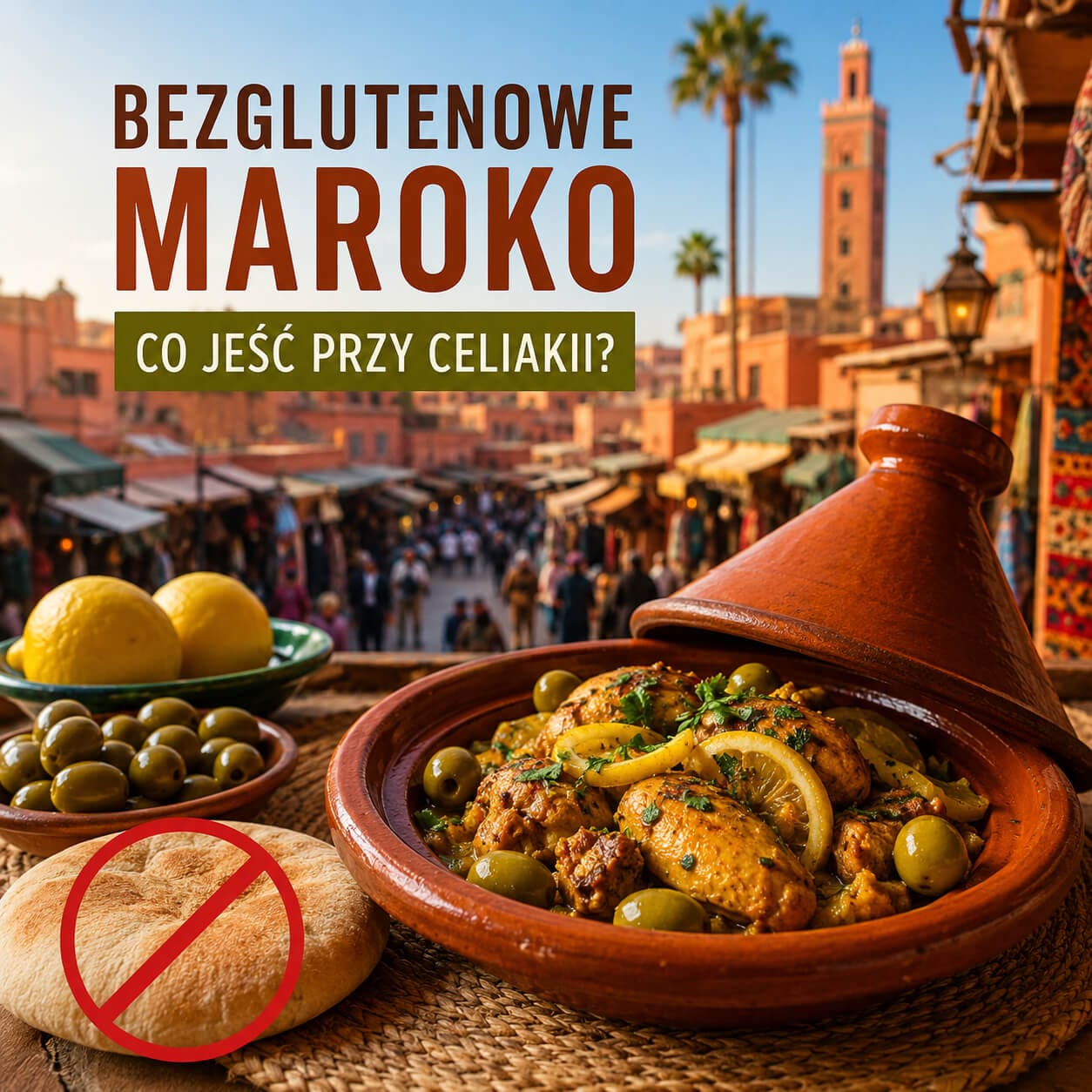
Morocco isn’t among the easiest destinations for travelers with celiac disease, but anyone researching gluten free Morocco will quickly find that the issue isn’t a shortage of suitable dishes. Moroccan cuisine is full of meat, fish, vegetables, olives, eggs, and legume-based dishes. The real challenges are couscous, the ever-present khobz bread, and Morocco’s habit of serving meals on shared platters.
People on a gluten-free diet can generally find safe meals without too much trouble, as long as they check ingredients and preparation methods carefully. In Morocco, simply asking whether a dish “has gluten” often isn’t enough — it’s worth asking directly about wheat flour, couscous, breading, marinades, and whether the food has come into contact with bread.
Is Morocco Safe for People with Celiac Disease?
Yes — but it calls for more caution than many popular European destinations. Things are easiest in Marrakech, Casablanca, Rabat, and Fez, where restaurants are more used to guests with celiac disease and better understand what gluten actually means.
Outside the major cities, the picture varies. In many places, gluten is associated only with bread, so it pays to ask specific questions about ingredients and how dishes are prepared.
The real risk lies in the details: shared cutting boards, communal platters, sauces thickened with flour, loose spices sold without labels, or meatballs made with breadcrumbs. These are the situations that most often lead to accidental gluten exposure.
The safest bets are simple dishes: grilled meat and fish, tagine without bread, eggs, vegetables, olives, fruit, rice, and potatoes. The shorter the ingredient list, the easier it is to judge the risk.
Risk Map: Hidden Gluten in Moroccan Food
With celiac disease, what matters isn’t just what’s in a dish — it’s also how it’s prepared. The same dish can be perfectly safe in one restaurant and risky in another. So rather than sorting dishes into “allowed” and “forbidden,” it’s more useful to think in terms of risk levels.
Low Gluten Risk
- Tagine with vegetables, meat, or fish — usually gluten-free. Just confirm the sauce wasn’t thickened with flour and hasn’t come into contact with bread.
- Tangia — slow-cooked meat with spices, especially popular in Marrakech. The key is checking the marinade and any spice blends used.
- Grilled fish — a good choice in coastal cities, as long as it isn’t breaded or fried in the same oil as gluten-containing foods.
- Grilled meat — generally safer than dishes served in sauce. Worth asking about the marinade.
- Eggs and shakshuka — common at breakfast and rarely contain gluten. What matters is a clean pan and no contact with bread.
- Olives, fruit, and simple salads — among the safest items on any menu, as long as they aren’t served on a shared platter alongside bread.
Medium Gluten Risk
- Harira — the classic tomato, chickpea, and lentil soup. Many recipes use wheat flour as a thickener.
- Kefta — spiced minced meat. Some restaurants add breadcrumbs, flour, or ready-made spice mixes.
- Bissara — a fava bean soup or purée. A simple ingredient list doesn’t always mean it’s safe, so ask about additions and preparation.
- Zaalouk — an eggplant and tomato dip. The dip itself is usually gluten-free, but it’s almost always served with bread.
- Taktouka — a roasted pepper and tomato salad. The issue isn’t the ingredients, but how often it’s served on shared platters.
- Rice and potatoes — safe as long as they weren’t cooked in stocks, sauces, or spice mixes of unknown origin.
High Gluten Risk
- Couscous — made from durum wheat, and therefore contains gluten.
- Khobz — traditional Moroccan bread, served with most meals.
- Msemen — a popular breakfast flatbread made from wheat flour.
- Baghrir — Moroccan pancakes made with semolina or wheat flour.
- Street-stall baked goods — high risk of both gluten and cross-contamination.
- Sweets from the medina — often contain semolina or wheat flour, and rarely come with a clear ingredient list.
- Deep-fried foods — risk of contact with breading and other gluten-containing products.
What to Eat in Morocco on a Gluten-Free Diet
Dishes with a simple ingredient list cause the fewest problems. The fewer additions, sauces, and pre-made mixes, the easier it is to judge the risk — and the easier it becomes to enjoy gluten-free Moroccan cuisine without constant second-guessing.
- chicken tagine with lemon and olives
- vegetable tagine
- fish tagine
- tangia
- grilled sardines, sea bream, and other fish
- grilled meat skewers without breading
- shakshuka
- eggs with tomatoes
- olives and marinated vegetables
- tomato, cucumber, and onion salad
- zaalouk served without bread
- taktouka served separately
- fresh fruit, dates, and packaged nuts
When ordering, it’s worth stating upfront: no bread, no couscous, no flour, no breading. In many restaurants, the absence of bread from a recipe is considered enough — for celiac disease, that’s not sufficient. You also need to rule out contact with bread, shared sides, and communal platters.
Gluten-Free Tagine: What to Watch Out For
Tagine is one of the safest dishes you’ll find in Morocco. Meat or vegetables are slow-cooked with olive oil, spices, onion, lemon, or dried fruit. The recipe itself doesn’t usually call for gluten.
Before ordering, it’s worth checking:
- whether the sauce was thickened with flour
- whether a ready-made spice mix was used
- whether the dish is served together with bread
The simplest versions cause the fewest problems: chicken with lemon and olives, vegetables, fish, or lamb. The more additions and ingredients a tagine has, the harder it becomes to judge its safety.
Couscous and Gluten: Why It’s Off the Table
Couscous remains one of the most common traps for tourists. It looks like a grain, but it’s made from durum wheat — and it isn’t safe for people with celiac disease.
In a restaurant, it’s best to say upfront that you can’t eat wheat, semolina, couscous, or anything containing gluten. Simply asking about “flour” often isn’t enough.
If you’re craving that fluffy, grain-like texture, look for dishes built around rice or quinoa instead. A handful of modern restaurants in Marrakech and Casablanca now offer gluten-free couscous alternatives made from rice or corn semolina, though these remain rare outside tourist-oriented venues — so don’t count on finding them everywhere.
Khobz: The Bread That’s Everywhere
Khobz shows up with most meals. It’s served alongside tagine, salads, soups, olives, and starters — and is often used as a substitute for cutlery.
The issue isn’t only what’s in the bread itself. The bread touches platters, sauces, and side dishes. For someone with celiac disease, even that kind of contact can be enough to contaminate a meal.
Is Harira Gluten-Free?
Harira is one of Morocco’s best-known soups. It contains tomatoes, chickpeas, lentils, and spices — but many local versions use wheat flour as a thickener.
Without confirming the recipe, it’s hard to call harira a safe choice. When in doubt, grilled meat, fish, or tagine are better bets.
Can Moroccan Spices Contain Gluten?
The spices themselves are rarely a problem. The risk comes from loose spice blends sold at markets. These products get scooped, stored, and displayed alongside other foods, often without any labeling at all.
For celiac disease, it’s safer to choose factory-packaged spices, or to ask restaurants directly about the spice blends they use.
Shared Platters: A Common Source of Cross-Contamination
In many Moroccan homes and restaurants, food is served on a shared platter, and diners scoop it up using pieces of bread straight from the dish.
For someone with celiac disease, this raises the risk significantly. Olives, salads, or vegetables can pick up traces of bread within minutes of being served. The safest approach is to ask for a separate portion on its own plate — a simple but effective way to avoid cross-contamination in Morocco’s restaurants.
Gluten-Free Breakfast in Morocco
Breakfast can be trickier than lunch or dinner. Hotel buffets tend to be dominated by bread, msemen, baghrir, jams, and honey. Naturally gluten-free items are usually placed right next to the bread basket.
The safest options are:
- boiled eggs
- fried eggs prepared separately
- shakshuka
- sealed, individually packaged yogurt
- fresh fruit
- olives
- packaged nuts
- your own gluten-free bread, brought from home
Breakfast buffets call for extra caution. Bread crumbs and shared tongs can compromise even a meal that looks safe at first glance.
What to Avoid With Celiac Disease in Morocco
The biggest problems come from wheat-based products and dishes whose ingredients are hard to verify.
- couscous
- khobz
- msemen
- baghrir
- harira, unless the recipe is confirmed
- kefta made with breadcrumbs or flour
- sweets based on semolina
- baked goods from the medina
- foods fried in shared oil
- loose spices sold without labels
- sauces thickened with flour
- food from shared platters
Gluten-Free Marrakech: Where Is It Easiest to Eat?
Marrakech offers the widest selection of restaurants in Morocco that are genuinely used to dealing with celiac disease. Staff here regularly encounter travelers on a gluten-free diet, which makes it easier to explain your needs than in smaller towns.
That said, not every restaurant labeling dishes as “gluten free” guarantees full safety. With celiac disease, it’s still worth asking about ingredients, preparation methods, and the risk of cross-contamination — even at places that advertise gluten-free options.
Gluten-Free Restaurants in Marrakech Worth Checking Out
- Nomad
- Pepe Nero
- Henna Art Cafe
- L’mida Marrakech
- Le Jardin
- Zeitoun Cafe
- Cuisine De Terroir
Before visiting, check the current menu and recent reviews from other travelers with celiac disease. Restaurant standards can change faster than articles published online.
Jemaa el-Fna: The Biggest Attraction, the Biggest Risk
Jemaa el-Fna square is one of the most famous spots in all of Morocco. In the evening, dozens of food stalls set up, serving local specialties. For people with celiac disease, it’s also one of the most challenging places in the country.
It’s not just about what’s in the dishes — it’s the conditions they’re prepared in. A single work surface might be used to slice bread, prepare meat, fry snacks, and portion out sides, all within minutes of each other. The risk of cross-contamination here is high, even by Moroccan standards.
The safest bets at Jemaa el-Fna are freshly grilled meat or fish, cooked right in front of you — as long as they haven’t been marinated in an unknown mix and haven’t touched any bread.
Should You Shop at Moroccan Markets?
Markets and souks are one of Morocco’s signature experiences. You’ll find spices, olives, dates, nuts, fresh fruit, and local snacks. For someone with celiac disease, though, shopping here takes a bit more care.
The safest products are those sold whole or in sealed packaging. The more processed an item is, and the more contact it’s had with vendors or other foods, the higher the risk of accidental gluten exposure.
Pay particular attention to:
- unlabeled spice blends
- sweets sold loose
- products containing semolina
- local baked goods
- snacks fried on the spot
If you’re looking for gluten-free markets in Morocco specifically, your best bet is sticking to whole, packaged, or clearly labeled products — and saving the loose spice stalls for photos rather than purchases.
Gluten-Free Casablanca: Where to Find Products and Restaurants
Casablanca is Morocco’s largest city and one of the best places to restock on gluten-free products. It has the highest concentration of supermarkets, health food stores, and specialty food shops in the country.
For many travelers with celiac disease, Casablanca becomes the place to stock up on gluten-free bread, snacks, pasta, and other essentials for the rest of the trip.
Looking for other gluten-free-friendly destinations? Our gluten-free Albania travel guide covers restaurants, shopping, and the most common pitfalls for travelers with celiac disease in another part of Europe.
Restaurants in Casablanca with Gluten-Free Options
- Organic Kitchen
- NIYA
- Tazar Bio Nutrition
Casablanca makes it easier than most parts of the country to find restaurants serving international cuisine — which often means greater awareness of allergens and more flexibility with menu modifications.
Gluten-Free Shopping in Casablanca
Large supermarkets and health food stores offer the best chances of finding gluten-free products. Look for:
- gluten-free pasta
- gluten-free bread
- gluten-free flours
- snacks labeled “gluten free”
- products marked with the crossed-out wheat stalk symbol
Travelers heading to smaller towns often stock up here, or in Marrakech, before moving on.
Fez and the Gluten-Free Diet: More Caution, Less Convenience
Fez is one of Morocco’s most historically fascinating cities, but it’s more demanding than Marrakech when it comes to gluten-free travel. The old medina is full of small restaurants and family-run food stalls where the menu changes daily, and awareness of celiac disease isn’t always reliable.
That doesn’t mean travelers with celiac disease should skip Fez — it just means asking more questions and sticking to simpler dishes.
Restaurants Worth Noting in Fez
- Veggie Pause
- Culture Box
- Fez & Friends
Before ordering, it’s worth explaining that the issue isn’t just bread — it also covers wheat flour, semolina, and cross-contamination.
How to Shop for Gluten-Free Products Outside the Big Cities
Once you leave Marrakech, Casablanca, or Rabat, the availability of gluten-free food drops noticeably. Many towns have no specialty stores and no clearly labeled gluten-free products at all.
Before heading into the Atlas Mountains, the Sahara, or smaller coastal towns, it’s worth packing your own supply of:
- gluten-free bread
- protein bars
- nuts
- gluten-free crackers
- certified gluten-free dried snacks
This matters most on full-day excursions, where the only available option may be a local restaurant serving mainly bread, couscous, and dishes prepared in shared kitchens.
Naturally Gluten-Free Moroccan Foods Worth Knowing
Not everything has to come from a “gluten free” labeled section. Plenty of Moroccan staples are naturally free of gluten:
- olives
- dates
- fresh figs
- pomegranates
- oranges
- almonds
- walnuts
- legumes
- fresh fish
- eggs
These are exactly what many travelers with celiac disease end up building their diet around in Morocco. The less processed a product is, the easier it is to judge its safety.
7 Mistakes People with Celiac Disease Make When Traveling to Morocco
Most problems don’t come from one big mistake — they come from a series of small assumptions. These are the ones that most often lead to accidental gluten exposure on the road.
1. Assuming Tagine Is Always Gluten-Free
Tagine is often naturally gluten-free, but not always. Some restaurants thicken the sauce with flour or use ready-made spice mixes. The word “tagine” alone is no guarantee.
2. Treating Harira as a Safe Soup
Harira looks like a soup built on vegetables and legumes. In practice, many recipes include wheat flour. Ordering it without asking about the ingredients is one of the most common mistakes tourists make.
3. Eating From a Shared Platter
Communal eating is completely normal in Moroccan culture. For someone with celiac disease, though, it means a high risk of contact with bread crumbs and other gluten-containing foods.
4. Buying Spices Without a Label
The colorful spice stalls are one of Morocco’s most photogenic sights, but they’re not always a safe choice with celiac disease. There’s no way to know how the spices were stored, scooped, or packaged.
5. Assuming “No Flour” Is Enough
The absence of flour in a recipe doesn’t automatically mean the dish is gluten-free. Couscous, semolina, ready-made spice blends, marinades, or contact with bread can all be the actual source of the problem.
6. Not Carrying Emergency Snacks
On trips through the Atlas Mountains, the Sahara, or smaller towns, finding a safe meal can be harder than in Marrakech. Your own snacks often solve the problem on the spot.
7. Assuming the Restaurant Understands Celiac Disease
Even if staff say they’re familiar with a gluten-free diet, it’s worth asking detailed questions. Some people think of gluten purely in terms of bread, and don’t factor in cross-contamination at all.
How to Tell a Restaurant You Have Celiac Disease
In larger cities, you can usually get by in English or French, but having a few simple phrases ready makes things much easier.
In French:
- Je suis atteint de la maladie cœliaque.
- Je ne peux pas manger de gluten.
- Je ne peux pas manger de blé.
- Cette préparation contient-elle de la farine de blé ?
- Merci de préparer ce plat séparément.
In Moroccan Arabic (Darija):
- Ana ma kanakulsh gluten.
- Ana ma kanakulsh gamh.
- Hal had l’akla fiha gluten?
- Hal tastati’ tahdiruha bidun gluten?
What to Pack for Morocco If You Have Celiac Disease
Even if you’re planning to eat out most of the time, a few items can make a real difference.
- gluten-free bread
- gluten-free crackers
- protein bars
- nuts
- dried fruit
- a celiac card in French
- an offline list of vetted restaurants
What matters most are items you can carry on a full-day excursion, or fall back on whenever you’re not sure what’s actually in a local dish.
FAQ: Gluten-Free Travel in Morocco
Is couscous gluten-free?
No. Traditional Moroccan couscous is made from durum wheat, which makes it unsuitable for people with celiac disease.
Is tagine gluten-free?
Usually, but not always. Check the sauce, the spices, and how the dish was prepared.
Is Marrakech a good destination for people with celiac disease?
Yes. The city offers the widest selection of restaurants familiar with gluten-free needs, along with the best access to gluten-free products in the country.
Can you buy gluten-free products in Morocco?
Yes. They’re easiest to find in larger cities, especially in supermarkets and health food stores in Marrakech and Casablanca.
Are Moroccan breakfasts gluten-free?
Usually not. Many traditional breakfasts are built around bread, pancakes, and flatbreads made from wheat flour or semolina.
Should people with celiac disease avoid Moroccan markets?
No. Just be careful when buying spices, sweets, and any products sold loose without a label.
Is it worth traveling to Morocco on a gluten-free diet?
Morocco isn’t among the easiest destinations for people with celiac disease, but it’s far from one to avoid. The biggest risks come from couscous, bread, semolina, and the cross-contamination that comes from how food is typically served.
Well-prepared travelers can explore Marrakech, Casablanca, Fez, and beyond without major issues. The safest strategy is sticking to simple dishes, asking detailed questions about ingredients, and relying on restaurants with a track record. That way, you can experience Moroccan cuisine without compromising your gluten-free diet.
Moroccan Sweets and Gluten: Which Are the Most Problematic?
Many travelers focus on couscous and bread, forgetting about desserts entirely. But sweets are actually one of the hardest categories to verify while traveling in Morocco.
A large share of traditional pastries use semolina, wheat flour, phyllo dough, or are prepared in the same conditions as other gluten-containing products. This is especially true for sweets sold at markets, in pastry shops, and in small family-run stores.
Be especially cautious with:
- semolina-based cookies
- pastries made with wheat flour
- baklava and similar layered desserts
- sweets without any listed ingredients
- products sold loose
Safer choices are fresh fruit, dates, nuts, and factory-packaged products with a full ingredient list.
The Gluten-Free Diet in Moroccan Hotels and Riads
Travelers planning a trip to Morocco often assume restaurants will be the main challenge. In practice, hotel breakfasts can be just as tricky.
A typical breakfast at a riad or hotel might include:
- khobz
- msemen
- baghrir
- jams
- honey
- yogurt
- fruit
- eggs
In theory, some of these items are naturally gluten-free. The problem is shared plates, bread baskets, and the risk of contact with crumbs. When booking, it’s worth letting the property know about your celiac disease in advance and asking whether they can prepare a separate breakfast.
Gluten-Free Morocco: An Emergency Plan for Day Trips
Trips to the Sahara, the Atlas Mountains, or smaller towns often last all day. In these situations, access to safe food can be limited.
Before heading out, it’s worth putting together your own emergency kit:
- gluten-free bread
- energy bars
- nuts
- dried fruit
- gluten-free crackers
- water
- a celiac card in French
Even if your itinerary includes restaurant stops, having your own snacks adds an extra layer of security and helps you avoid hasty decisions made on an empty stomach.
The Most Gluten-Free-Friendly Cities in Morocco: A Ranking
Gluten-free food availability varies a lot depending on the region. In terms of convenience for travelers with celiac disease, the major cities rank roughly like this:
- 1. Marrakech — the largest number of restaurants familiar with gluten-free needs.
- 2. Casablanca — the best place to stock up on gluten-free products.
- 3. Rabat — good infrastructure and a strong selection of international restaurants.
- 4. Fez — safe eating is possible, but requires more caution.
- 5. Essaouira — excellent fish and seafood, though fewer specialty products.
Beyond these major cities, travel becomes more demanding, and it’s worth carrying your own supply of gluten-free products.
Is Morocco Easier Than Egypt, Turkey, and Tunisia?
Travelers planning a wider North Africa trip often compare these destinations from a gluten-free perspective.
Morocco generally comes out ahead of much of Egypt when it comes to restaurants that understand the needs of people with celiac disease. At the same time, it remains more demanding than some popular European destinations, where gluten-free labeling is far more common and standardized.
Morocco’s biggest advantage is its range of naturally gluten-free dishes built around meat, fish, and vegetables. Its biggest challenges remain bread, couscous, and the tradition of shared meals.
If you’re mapping out gluten-free travel across North Africa and the wider Mediterranean, it’s worth comparing notes across destinations — our gluten-free Greece travel guide covers a very different culinary culture, but with some surprisingly similar strategies for staying safe.