Rice is a cornerstone of the gluten-free diet. It is naturally free from gluten, making it a safe foundation for meals for individuals with celiac disease, gluten intolerance, and wheat allergy.
However, the devil is in the details. The primary concern is not the rice grain itself, but rather cross-contamination, which can occur during harvesting, transport, and most importantly, on production lines and during packaging.
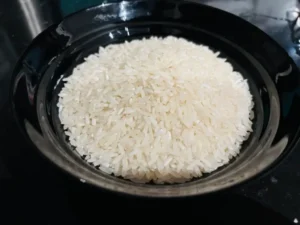
Does Rice Contain Gluten? The Answer Is a Definitive: NO.
In its pure, natural form, rice is free from gluten. Gluten is a protein found exclusively in wheat, rye, barley, and their ancient varieties (e.g., spelt, einkorn).
This applies to all botanical varieties of rice (Oryza sativa):
- White rice (long-grain, short-grain)
- Brown rice (wholegrain)
- Basmati rice
- Jasmine rice
- Parboiled rice (the slightly golden, pre-steamed variety) – also gluten-free, and it has a lower glycemic index (GI) than regular white rice
- Red rice and black rice (forbidden rice)
- Arborio rice (for risotto)
What about wild rice? Zizania, commonly called wild rice, is botanically not rice but the seed of an aquatic grass. Nonetheless, it is completely gluten-free and serves as an excellent addition to the diet, rich in antioxidants and fiber.
Why Isn’t Every Package of Rice 100% Safe?
The number one issue is cross-contamination. It only takes the rice to be packaged on the same production line as pearl barley, couscous (wheat), or soup mixes with noodles to become a source of gluten in quantities dangerous for someone with celiac disease.
Sources of risk:
- Production and packaging (shared facilities, scales, and filling equipment used for gluten-containing products)
- Processed products (instant rice, boil-in-the-bag rice with “natural flavorings”, ready-made jarred or canned meals)
- Bulk bins (in stores where open containers of loose rice sit next to bins of pearl barley or wheat bran)
The gold standard of safety: When buying rice for someone on an elimination diet, always look for the international Crossed Grain Symbol (licensed in Europe by the AOECS and in specific countries by national Celiac Associations) or the clear statement “Gluten-Free” in compliance with EU Regulation No. 828/2014 or FDA standards.
Which Rice to Choose on a Gluten-Free Diet? Safety Ranking
- Highest (Recommended): Loose rice in packaging bearing the Certified Gluten-Free Crossed Grain Symbol – guarantee of no contamination.
- High: Pure loose rice (basmati, jasmine) from reputable producers – trace risk, acceptable for most.
- Medium / Requires Vigilance: Parboiled rice, brown rice, wild rice (trusted supplier) – if not certified, rinse extremely thoroughly.
- Elevated Risk: Instant boil-in-the-bag rice – often treated with starches or packaged on shared gluten lines.
- High Risk: Seasoned rice mixes, ready-made rice dishes, canned rice with vegetables – Warning: Powdered sauces and bouillon cubes almost always contain wheat or barley malt.
Is Rice Healthy? From White to Black – A Nutritional Analysis. Is Rice Gluten-Free?
The answer depends on the variety and the method of preparation.
White Rice vs. Brown Rice
- White Rice: Easily digestible, ideal for those with sensitive digestive systems (e.g., during a Crohn’s disease flare-up). It provides quick energy but has a high glycemic index (GI ~70).
- Brown Rice: Contains the bran and germ. It is richer in magnesium, manganese, B vitamins, and fiber.
A better choice for stabilizing blood sugar levels and prolonging satiety.
Which Rice Has the Lowest Glycemic Index?
If you are aiming to avoid insulin spikes (insulin resistance, diabetes), choose:
- Basmati rice (GI ~50-58) – especially when cooked and cooled (forms resistant starch).
- Parboiled rice (GI ~48) – the steaming process alters the starch structure.
- Long-grain brown rice (GI ~55).
Black and Red Rice – Superfoods
These varieties provide anthocyanins (the same compounds found in blueberries). They possess strong antioxidant properties. They are slightly firmer and require longer cooking, but in a gluten-free diet, they are worth their weight in gold.
Important Health Advisory: The Issue of Arsenic in Rice
Rice has a unique tendency to absorb inorganic arsenic from soil and water to a greater extent than other grains. Long-term consumption of large amounts of improperly prepared rice can be a burden on the body, especially for children.
How to Prepare Rice to Minimize Arsenic and Stay Safe? (The Gold Standard Method)
- Rinsing: Before cooking, rinse the rice in cold water 5-7 times (or until the water runs completely clear, not milky). This removes excess starch and some surface contaminants.
- Pasta Method Cooking (Absorption with Draining): Cook the rice in a large volume of boiling water (ratio of 1 cup rice to 6 cups water).
- Draining: Once cooked, drain the water completely. Do not wait for the rice to absorb all the liquid.
- Final Rinse: Optionally, rinse the cooked rice with hot water.
Result: You reduce the arsenic content by up to 50-60% compared to the traditional absorption method.
Rice in the Gluten-Free Kitchen – Pitfalls and Gems
Rice Flour
Rice flour is a staple of gluten-free bread and cake baking. Note: Although rice is gluten-free, the flour may be milled in the same facility as wheat flour. Always choose rice flour with a Certified Gluten-Free Crossed Grain Symbol.
Rice Vinegar and Sushi Seasoning
- Pure Rice Vinegar (clear or slightly cloudy) – IS GLUTEN-FREE.
- Ready-made Sushi Seasoning (vinegar-sugar mixes) – READ THE LABEL! Manufacturers often add hydrolyzed soy protein from wheat or wheat-based soy sauce (not to be confused with pure gluten-free tamari).
Rice Flakes
An excellent alternative to oat flakes (which can be problematic even when labeled gluten-free). They work well as breading for cutlets or as a thickener for soups.
Pure rice is a total win for anyone ditching gluten—it’s naturally safe and versatile, from fluffy Basmati to hearty wild rice. But here’s the catch: even though the grain is clean, the factory might not be. If your rice was packed on the same line as barley or couscous, cross-contamination is a real threat. To play it safe, skip the bulk bins and always hunt for that “Gluten-Free” seal on the bag. Curious about other kitchen staples? Check out the facts here: Are Potatoes Gluten-Free? The Truth That Will Surprise You.
FAQ – Quick Answers to Pressing Questions
Does rice contain gluten?
No. All varieties of rice (white, brown, basmati, jasmine, wild, parboiled) are naturally gluten-free.
Is parboiled rice gluten-free?
Yes. The parboiling process does not introduce gluten. However, be mindful of cross-contamination during packaging.
Is wild rice safe for celiac disease?
Yes, absolutely. It is a grass seed, not a gluten grain. It is a healthy addition to the diet.
Is rice healthy for weight loss?
Yes, especially brown and wild rice. It contains fiber which promotes satiety. However, portion control is important due to caloric density and glycemic index (best paired with plenty of vegetables and protein).
Can I eat boil-in-the-bag rice?
It is best avoided. The production process for bagged rice often involves food-grade adhesives or additives that may contain gluten. If necessary, choose only those with a clear gluten-free certification on the box.
Expert Summary
Rice is nature’s gift to those on a gluten-free diet.
It is versatile, filling, and widely available. However, to fully reap its benefits without compromising health, remember three golden rules:
- Look for the Certified Gluten-Free Crossed Grain Symbol.
- Avoid rice mixes and bagged rice lacking a “gluten-free” label.
- Always rinse thoroughly and cook in excess water, draining it after cooking.
By following these guidelines, rice will become not only a safe but an invaluable component of your daily, healthy menu.