For people with celiac disease, trusting food prepared outside the home can feel like a luxury. The Nima Sensor was designed to change that by bringing laboratory-inspired gluten detection into a portable, pocket-sized device. Understanding how it works—and where its limitations begin—is essential if you want to use it effectively without developing unnecessary anxiety around food.
For a complete overview of the device, its availability, and its practical use cases, see our guide to the New Generation Nima Sensor.
Important: The Nima Sensor is a supplementary tool and cannot guarantee gluten detection in every situation. Test results should be treated as one source of information rather than a replacement for reading ingredient labels, speaking with restaurant staff, or following established gluten-free dietary practices. Extra caution is recommended when evaluating fermented foods, hydrolyzed products, and foods with a high risk of cross-contact contamination.
The Science Inside a Disposable Capsule: How Does Nima Detect Gluten?
The Nima Sensor does not rely on magic. It uses immunochromatographic lateral-flow technology—the same general scientific principle used in many rapid diagnostic tests.
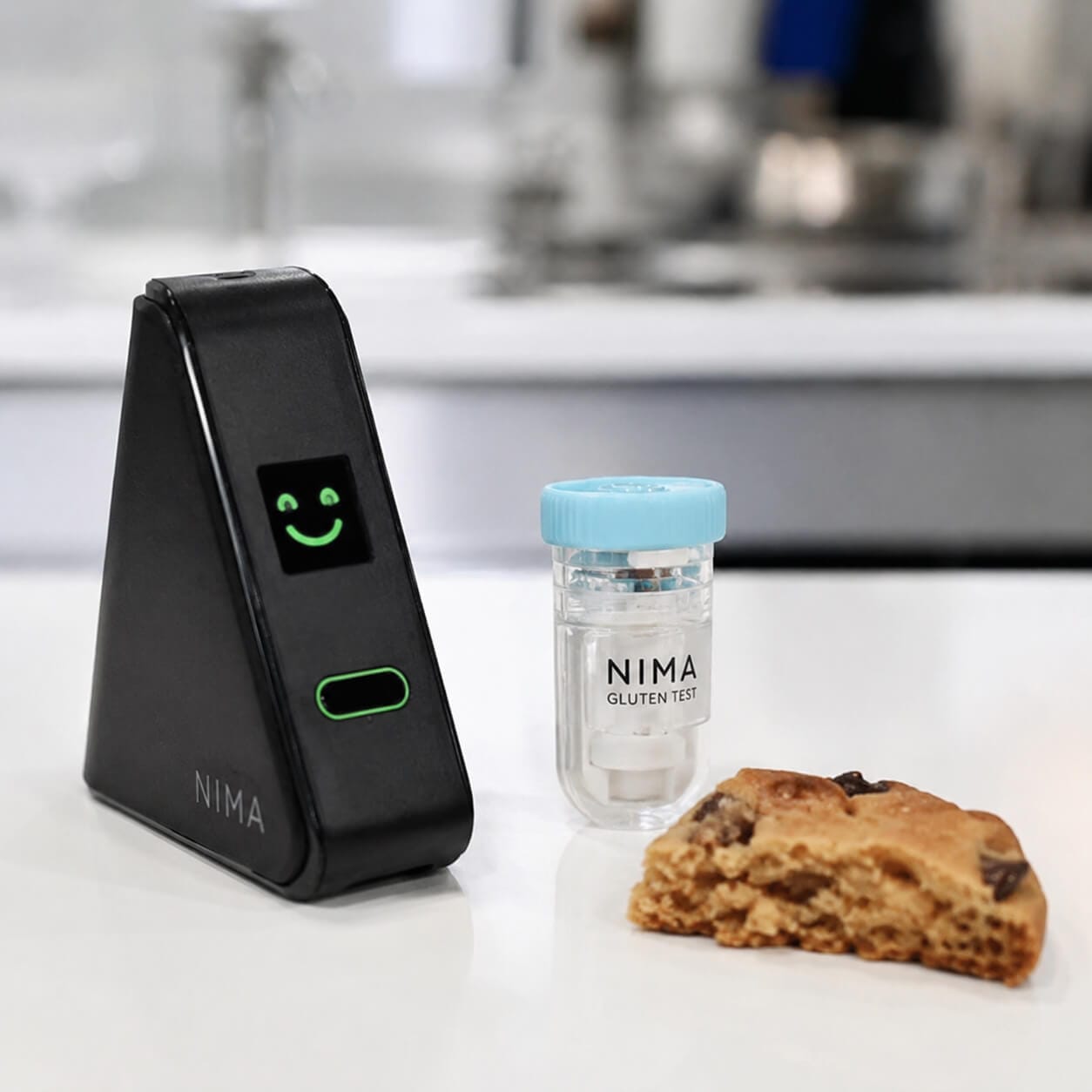
The system consists of two components: the electronic reader and the disposable test capsule. The chemistry happens inside the capsule, while the reader interprets the result.
- Extraction: Once the capsule is sealed, the food sample is mixed with a liquid buffer solution and mechanically processed to break down the food matrix and release proteins.
- Binding: The extracted sample moves across a test strip coated with antibodies designed to recognize gluten-related proteins.
- Optical Detection: If intact gluten proteins are present, the antibodies bind to them and create a visual reaction on the test strip. The reader’s optical system detects this reaction and converts it into the final result displayed on the screen.
Why Does the 20 ppm Threshold Matter?
The internationally recognized Codex Alimentarius standard, adopted by both the European Union and the U.S. FDA, defines a food as gluten-free when it contains less than 20 parts per million (ppm) of gluten. This threshold is considered safe for the vast majority of people with celiac disease.
The Nima Sensor was developed around this regulatory framework. However, real-world testing has shown that the device may sometimes detect gluten levels below the 20 ppm threshold.
This can create confusion. In some situations, the sensor may report “Gluten Found” when testing a certified gluten-free product that fully complies with regulatory standards. The food remains legally gluten-free, yet the result may lead users to unnecessarily reject safe products and become overly restrictive in their food choices.
Does “Gluten Found” Mean a Food Is Dangerous?
This is one of the most common questions asked by Nima users.
The device operates using a simple binary system. It displays either a smile icon or a wheat symbol. What it does not provide is a precise gluten concentration.
The sensor cannot tell you whether a sample contains 25 ppm, 200 ppm, or 2,000 ppm of gluten. It simply indicates that its detection threshold has been exceeded.
For someone with celiac disease, a “Gluten Found” result is usually enough reason to avoid the food. However, it is important to understand that the actual level of risk may vary significantly depending on the amount of gluten present.
Likewise, a negative result applies only to the small portion of food that was tested. It does not guarantee that the entire meal is free from cross-contact contamination.
The Blind Spots of Gluten Detection Technology
The antibodies used in Nima capsules are designed to recognize specific protein sequences. If those molecular structures are altered during food processing, the device may no longer recognize them—even when gluten-related compounds are still present.
This is one of the most important limitations users need to understand. A smile icon does not always mean a food is completely safe, especially when fermentation or hydrolysis is involved.
- Deep Fermentation: During fermentation, enzymes and microorganisms break gluten proteins into smaller fragments. As a result, foods such as traditional soy sauce can become difficult for antibody-based tests to evaluate reliably.
- Hydrolyzed Gluten: Industrial processing methods that use heat, acids, or enzymes can break gluten proteins into peptide fragments that may escape detection. This issue is particularly relevant for certain beers, malt-based ingredients, and fermented food products.
We explore this problem in greater detail in our guide to Hydrolyzed Gluten and the Nima Sensor, where we explain why some fermented foods can produce false-negative results despite still posing a risk for people with celiac disease.
How Accurate Is the Nima Sensor in Real Life?
Laboratory testing and real-world dining are very different environments.
Under controlled conditions, antibody-based gluten detection systems can achieve high levels of consistency. In practice, however, accuracy depends heavily on the quality of the sample being tested.
The Nima Sensor analyzes only a tiny portion of food—roughly the size of a pea. Gluten contamination is rarely distributed evenly throughout a meal, which means the tested sample may not always represent the entire dish.
Imagine a sandwich prepared on a contaminated surface. One breadcrumb containing gluten may end up on a single corner of the meal while the rest remains uncontaminated. Testing the wrong section could produce a negative result even though contamination is present elsewhere.
This is why sampling technique matters just as much as the technology itself.
The Human Factor: Why Sampling Matters
Many apparent testing failures are actually sampling failures.
To maximize the usefulness of any gluten detection device, users should focus on collecting samples from areas with the highest contamination risk.
- Test multiple ingredients whenever possible.
- Focus on sauces, coatings, and surface layers where contamination is most likely to occur.
- Include portions that may have come into contact with shared cooking surfaces.
- Avoid relying on a sample taken from only the safest-looking section of a meal.
Even perfect technology cannot detect gluten that was never included in the sample being tested.
Why No Gluten Test Can Guarantee Complete Safety
This limitation does not apply only to Nima.
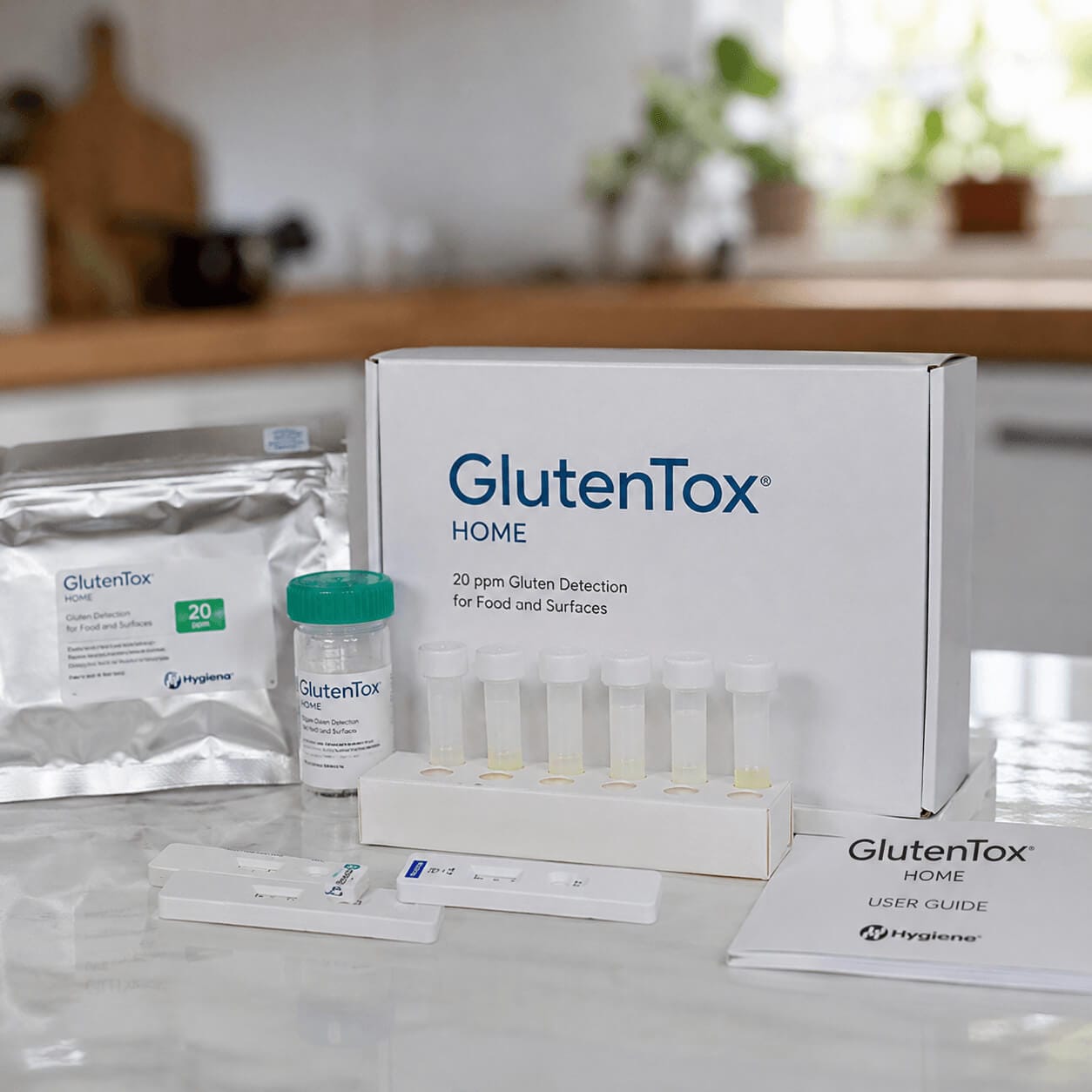
Alternative systems such as EZ Gluten and GlutenTox use different formats, but they rely on the same fundamental principle: antibodies detecting specific gluten proteins or fragments. As a result, they share many of the same challenges when dealing with fermented foods, hydrolyzed gluten, and uneven contamination.
If you are comparing available options, our detailed guide to Nima Alternatives: EZ Gluten vs GlutenTox explains how these systems differ and where their limitations overlap.
Final Thoughts
The Nima Sensor is one of the most innovative consumer gluten-testing devices ever developed. It can provide valuable information in restaurants, during travel, and whenever ingredient transparency is uncertain.
At the same time, understanding its limitations is essential. The device works best when testing intact gluten proteins in solid foods. Fermented products, hydrolyzed gluten, and uneven contamination remain difficult challenges for any antibody-based testing system.
The most effective strategy is to treat the Nima Sensor as one layer of protection rather than a final authority. Combining test results with careful label reading, certified gluten-free products, and informed communication with restaurants will always provide a higher level of safety than relying on technology alone.