Germany rarely tops anyone’s list of easy gluten-free destinations, yet the country runs one of Europe’s oldest celiac certification bodies, and its capital turns out to be an unexpectedly good place to eat safely. This article opens a new German sub-cluster of the travel series, following the earlier stop in gluten-free Austria, where a similar certification model shaped the local dining scene. Gluten-free Berlin starts here, with two more German cities — Munich and Hamburg — planned for the same series in the coming weeks.
Where Berlin Sits on the Global Map
The gluten-free restaurant database FindMeGlutenFree ranks Berlin among the top 40 gluten-free cities worldwide, counting 12 fully dedicated restaurants and 8 dedicated bakeries that never handle wheat, barley, or rye on the premises. That density is unusual for a Central European capital, and it largely traces back to Berlin’s multicultural food scene, where Vietnamese, Brazilian, and Italian kitchens sit alongside traditional German ones.
Two Spots the City’s Own Tourism Board Recommends
Berlin’s official tourism site, visitBerlin.de, publishes its own shortlist of gluten-free tips for visitors, and two entries stand out for plant-based travelers. Café EasyPeasy in Prenzlauer Berg runs an entirely gluten-free and vegan kitchen — sandwiches, waffles, bowls, and homemade cake, with nothing on the menu requiring a substitution. Tapiocaria in Friedrichshain serves Brazilian tapioca dishes that are gluten-free across the board; some fillings include cheese or meat, so vegan diners should ask for one of the plant-based combinations before ordering, since not every filling on the menu is meat-free.
Pastries, Pasta, and a Full Cocktail List
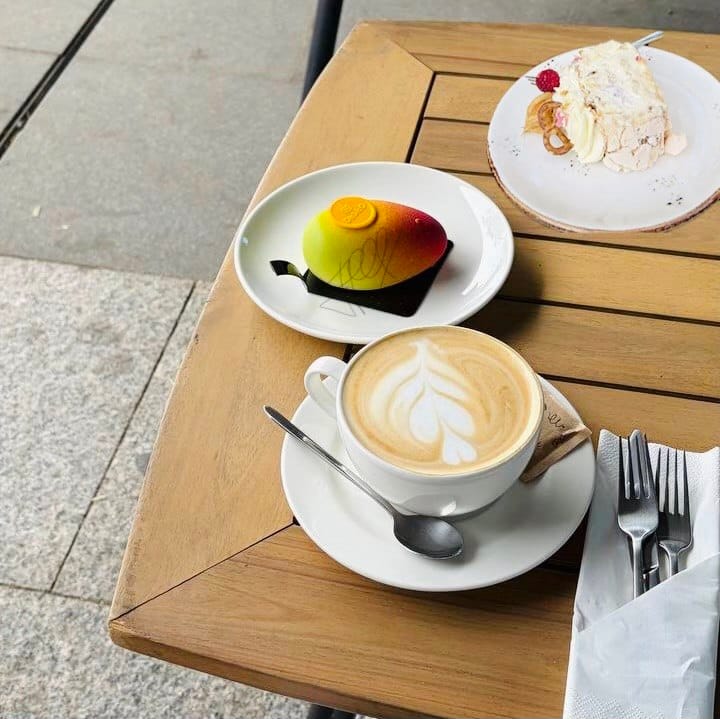
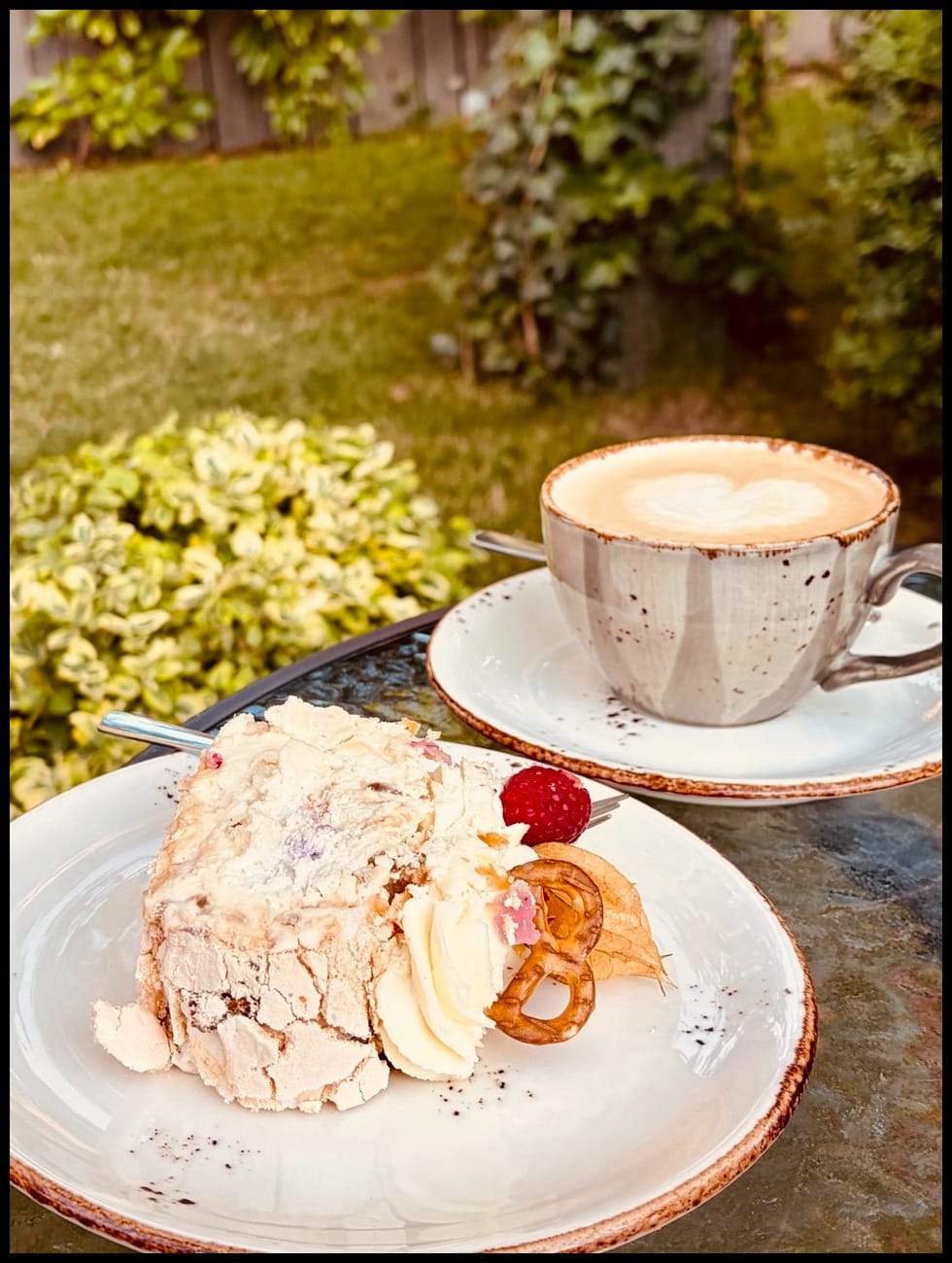
AERA, on Rosenthaler Straße, bakes everything from scratch in a kitchen that never sees wheat — around a dozen baked goods rotate through the counter daily, alongside coffee and a small breakfast menu. A short walk away, Trattoria Senza runs a full Italian menu, cocktail list, and brunch service entirely gluten-free. Its dishes range from carbonara to tiramisu, built as a complete gluten-free menu rather than a handful of adapted dishes on a standard card. Both venues sit within the same central districts as EasyPeasy and Tapiocaria, so a single day of café-hopping across Prenzlauer Berg and Friedrichshain is realistic without much backtracking.
None of the four venues above can be guaranteed to still run the same way by the time this reaches a reader — kitchens change hands, menus get rewritten, and a “100% gluten-free” claim from a few months ago is not a permanent status. Confirming current gluten-free and cross-contamination practices directly with the venue is worth the extra minute before a visit, particularly for anyone managing celiac disease.
What the Rules Actually Mean on the Ground
- Germany’s celiac association, Deutsche Zöliakie-Gesellschaft (DZG), has issued its crossed-grain trademark since 1989, one of the longest-running certification programs in Europe.
- Packaged food labeled “glutenfrei” follows the same EU-wide 20 ppm threshold used across the bloc, so the label means the same thing here as it does anywhere else in the EU.
- DZG also runs a restaurant training and certification scheme, though relatively few Berlin venues carry the formal certificate — most of the reliable options are simply bakeries and cafés built around a 100% gluten-free kitchen from the start.
- DZG issues its crossed-grain symbol as a licensee of AOECS, the same European association behind the trademark seen on packaging across Austria, Italy, and most of the rest of the EU, so travelers arriving from those countries will recognize the logo instantly.
- Rewe runs its own “Rewe frei von” line of lactose- and gluten-free products, launched as the first dedicated allergen-free range from a major German grocery chain; Edeka stocks a comparable gluten-free section under its own brands. Both are present in nearly every Berlin neighborhood.
One Thing Worth Double-Checking
Menus at Vietnamese and Thai restaurants across Berlin often work in a gluten-free traveler’s favor by default, since rice noodles and vegetables replace wheat without anyone asking. The one ingredient to flag with staff is soy sauce: several imported brands contain wheat even though the flavor gives no indication of it.
Gluten-free Berlin comes down to four venues that cover breakfast, a full sit-down meal, and a quick café stop, with almost no overlap in what each one serves. Three of the four sit in Prenzlauer Berg and Friedrichshain, close enough for a short U-Bahn ride between them. A two- or three-day stay can realistically work through the whole list without losing a morning to transit. The next two stops in this German sub-cluster move south to Munich’s beer-hall culture and north to Hamburg’s harbor district, home to one of the country’s best-known gluten-free bakery chains.