Most people who buy corn flour for the first time run into the same problem: the bread falls apart, the batter cracks, or the pancakes stick to the pan. It’s tempting to treat it as a straight swap for wheat flour. In practice, it behaves completely differently.
Corn flour isn’t a one-size-fits-all wheat flour substitute. How it performs depends on the grind, which parts of the kernel are included, and how the corn was processed.
Looking for a quick way to decide which flour or starch actually fits your recipe? Our gluten-free flours and starches guide breaks it down before you commit to a specific product.
What Is Corn Flour?
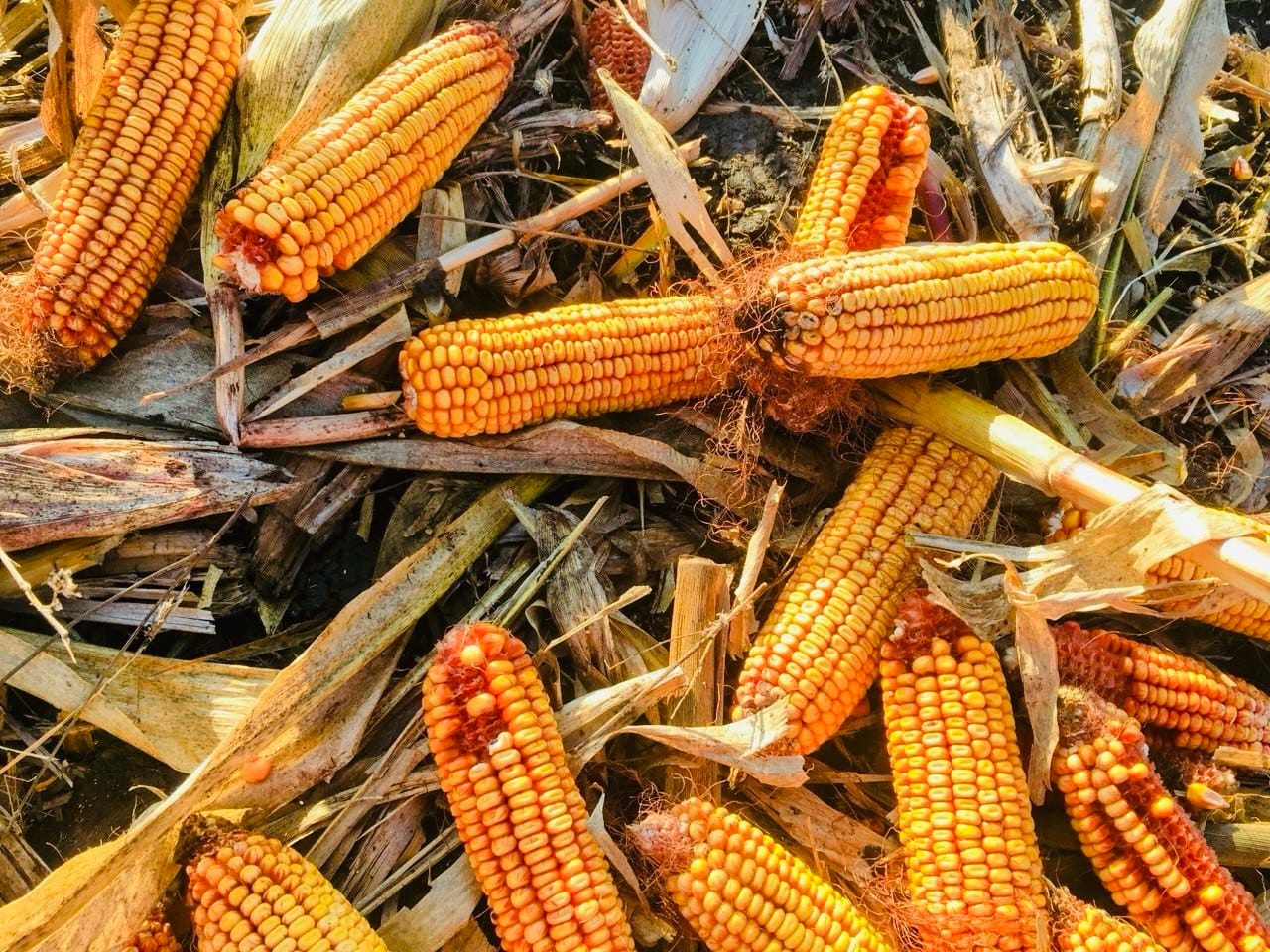
Corn flour is made by grinding dried corn kernels into a fine powder. Unlike wheat flour, it isn’t a single uniform product. A corn kernel has three main parts:
- bran/hull – fiber-rich, tough, darker in color;
- germ – contains fats and vitamins, goes rancid quickly;
- endosperm – the bulk of the kernel, mostly starch.
Depending on whether the whole kernel is milled or only part of it, you get flour with a different fat content, color, texture, and behavior in the kitchen. Refining (removing the germ and hull) stabilizes the product but strips out nutrients — whole-grain and degermed versions differ noticeably in that regard.
That’s why two bags from different mills can behave quite differently in the same recipe.
Corn Flour vs. Cornstarch
Corn flour is milled from dried corn — typically more of the kernel than cornstarch retains, though whole-grain and degermed versions differ, as noted above. It contains protein, fat, fiber, and minerals, has a distinct corn flavor and color, and works as a base for baked goods, giving a crumbly, slightly grainy texture.
Cornstarch, on the other hand, is a purified starch fraction – nearly pure starch, neutral in flavor, that thickens instead of building structure, giving smoothness and a glossy gel.
For thickening sauce or pudding, cornstarch is the better choice; corn flour works best in dishes where structure matters, like flatbreads or bread. Cornstarch has its own gelling behavior worth knowing separately, especially for sauces, custards, and puddings.
There’s a third product that gets mixed up in the same conversation: cornmeal. It’s ground from dried corn too, but more coarsely — closer to sand than to flour. Cornmeal is what gives cornbread and polenta their gritty bite, while flour bakes into something smoother and finer-crumbed. If a recipe specifically calls for cornmeal, swapping in flour will throw off the texture.
Flavor and Texture
Flavor and color:
- a mild sweetness that becomes more noticeable after cooking;
- a distinct corn aroma that can dominate delicate baked goods;
- color ranging from pale yellow to deep gold, depending on the corn variety and how refined it is.
Texture and structure:
- doesn’t form an elastic dough, since it contains no gluten;
- gives a crumbly, slightly grainy, often dry texture;
- becomes denser and more brittle after cooling, due to starch retrogradation (more on that below);
- can be finely or coarsely ground, which affects the finished texture.
Recipes built around it need more liquid, fat, or added binders than their wheat-based counterparts — a direct result of having no gluten.
How to Use It in the Kitchen
Corn Tortillas – Here’s the Catch
Can you make real tortillas from plain corn flour off the shelf? Usually not.
Classic tortillas are made from masa harina – flour ground from corn that’s been through nixtamalization before milling. Corn is cooked or soaked in an alkaline solution (traditionally with calcium hydroxide, or slaked lime), then rinsed and ground. This changes the starch and protein structure: the dough becomes pliable, stretchy, and doesn’t crack.
Corn flour vs. masa harina:
- Corn flour – simply dry-milled corn. Dough made from it is crumbly, dry, and doesn’t hold together well.
- Masa harina – made from corn that’s nixtamalized first, then ground into fresh masa and dried into flour. It has a distinctive flavor, a pliable texture, and it’s what real tortillas are made from without falling apart in the pan.
So if a recipe calls for “corn flour for tortillas,” check the package carefully: what you actually need is masa harina (sometimes labeled “tortilla flour”). Plain flour off the gluten-free shelf gives an entirely different result.
Corn Cakes and Flatbreads
Corn flour works beautifully here. Flatbreads don’t need nearly as much gluten structure as bread does.
Practical tips for flatbreads:
- use a fine grind, or the finished cake turns out too grainy;
- add more liquid than a wheat-based recipe calls for – it absorbs water heavily;
- for an egg-free binder, use ground flaxseed, chia seeds, or a bit of starch;
- the dough should be moist but still hold its shape. If it’s crumbling dry, add another spoonful of water or oil.
Bread
A loaf made entirely from it (100%) won’t come out light and airy — but blended with other flours, it works.
Without gluten’s elastic network, the dough doesn’t hold onto rising gas as well, so a straight corn-flour loaf comes out dense, low, and crumbly, closer to a quick bread than a yeasted one.
To get a better crumb:
- blend it with other gluten-free flours (buckwheat or rice work well);
- add psyllium husk – it forms a gel that binds water and helps the dough hold together and retain gas, standing in for some of what gluten’s protein network would otherwise do;
- increase the liquid and fat to avoid dryness;
- let the dough rest briefly before baking so the starch has time to hydrate more fully.
Other Uses
- Breading and coating – gives a very crisp crust. Great for veggie cutlets and tofu.
- Muffins and cakes – blended with other flours or starch, it adds crumb and a nice golden color.
- Thickening – possible, but cornstarch does a better job here, giving a smoother texture without a floury aftertaste.
Is Corn Flour Gluten-Free?
Corn naturally contains no gluten, so “gluten-free corn flour” isn’t a marketing gimmick — it’s just a fact. But for people with celiac disease, what matters isn’t just the grain itself, it’s the risk of cross-contamination.
If corn is milled on the same equipment as wheat, rye, or barley, trace amounts of gluten can end up in the final product. Look for a certified gluten-free label, and treat “100% corn” claims with some skepticism – that phrase alone doesn’t guarantee the absence of cross-contact. If you have celiac disease, stick to products with a verified gluten-free certification.
Can You Replace Wheat Flour With Corn Flour?
This is one of the most common questions people search for. The answer: there’s no universal 1:1 swap.
- Flatbreads – sometimes, depending on the recipe;
- Pancakes – usually needs a flour blend, since there’s no gluten;
- Bread – no, because of structure;
- Shortbread-style cookies – often partially, thanks to its crumbly texture;
- Sponge cake – depends on the recipe and the structure it needs;
- Tortillas – needs the right flour after nixtamalization, not plain corn flour.
Corn flour won’t build the same gluten network wheat flour does. In practice, it works best as an addition (20–30% of the total flour) or as the base of a recipe specifically designed around its properties from the start.
Which Corn Flour Should You Buy?
Not all corn flour is the same. Here’s a practical breakdown by use:
- For tortillas → masa harina (nixtamalized corn flour);
- For delicate baked goods and pancakes → finely ground;
- For a crisp coating → medium grind;
- For dishes with a firmer bite → coarser grind;
- For gluten-free bread → fine or medium, ideally blended with other flours.
The label alone doesn’t tell you everything, so before buying check the grind and whether it’s whole-grain or refined.
Nutrition Facts and Calories
Worth noting up front: there’s no single universal nutrition profile here. It depends on whether it’s whole-grain or refined, which corn variety it came from, and how it was processed.
Approximate nutrition per 100 g:
- Calories: about 350–370 kcal
- Carbs: about 75–80 g
- Protein: about 6–9 g
- Fat: about 1–4 g (more in whole-grain versions, which include the germ)
- Fiber: about 2–7 g (significantly more in the whole-grain version)
Whole-grain corn products are richer in the nutrients that refined versions lose along with the bran and germ.
Is Corn Flour Healthy?
Pros:
- naturally gluten-free – safe for people with celiac disease (barring cross-contamination);
- contains fiber (especially the whole-grain version);
- provides complex carbs for energy;
- contains carotenoids (particularly in yellow corn) – natural antioxidants;
- the whole-grain version retains more minerals: magnesium, phosphorus, potassium.
Limitations:
- relatively low in protein compared to buckwheat flour or legume flours;
- the refined version is lower in fiber and minerals;
- can have a moderate-to-high glycemic index depending on the grind and how it’s cooked;
Important rule: “gluten-free” doesn’t automatically mean “more nutritious.” Corn flour can be a valuable part of a diet, but like most grain products, it works best alongside other sources of protein, fat, and fiber.
Glycemic Index
There’s no single GI number here, since it depends on:
- grind size (finer flour = faster starch digestion);
- cooking method (baking and boiling increase starch availability);
- fiber content (whole-grain has a lower GI than refined);
- added fat and protein in the dish (they slow carb absorption);
- temperature after cooking (cooled starch partially retrogrades, which lowers GI).
There’s no single number to memorize — grind, cooking method, added fat or protein, and how the dish is served (hot vs. cooled) all shift it in different directions.
What Happens to the Starch When It’s Heated?
Gelatinization
Dry starch swells once water and heat are added. The starch granules absorb water and swell until they eventually rupture, releasing the starch molecules inside. This process is called gelatinization. It’s what thickens batter and gives a finished dish its structure.
Retrogradation
As the starch gel cools, it starts to reorganize into ordered structures again. That’s why corn bread and flatbreads turn firmer, crumblier, and less pliable once they’ve cooled. Retrogradation is a natural process, but it can be slowed somewhat by adding fat or storing baked goods in an airtight container.
Resistant Starch
Not all the starch in it digests the same way. As the retrogradation described above sets in during cooling, part of that reorganized starch becomes what’s called RS3 — a type of resistant starch that behaves in the digestive tract much like fiber: it isn’t broken down in the small intestine, but ferments in the large intestine instead. That’s one reason cooled corn-based dishes can have a lower glycemic impact than the same dish served hot.
What Is Nixtamalization?
Nixtamalization is a traditional Mesoamerican process for treating corn. Kernels are boiled or soaked in an alkaline solution – traditionally with slaked lime (calcium hydroxide). The corn is then rinsed, and the wet kernels are ground into a dough called masa.
What does this process actually do?
- Changes the starch structure – the dough becomes pliable and stretchy, ideal for shaping tortillas.
- Releases niacin (vitamin B3) – making it available for the body to absorb. This historically protected corn-dependent cultures from pellagra.
- Adds calcium – from the slaked lime used in the process.
- Changes flavor and aroma – giving it that distinctive, slightly earthy note.
- Improves nutrient availability – increasing the bioavailability of certain minerals.
This explains why “corn flour for tortillas” is really a different question than just grabbing any bag off the shelf: tortillas need corn that’s gone through nixtamalization, which is masa harina, not a standard milled product.
Is Corn Flour Vegan?
Corn flour on its own – yes, it’s 100% plant-based. It contains no animal products.
The caveat is with ready-made blends and mixes: always check the label, since manufacturers sometimes add milk powder, egg, or other non-vegan ingredients.
Common Mistakes to Avoid
- Using plain corn flour instead of masa harina for tortillas. The tortilla comes out dry and cracked, because plain flour hasn’t been nixtamalized.
- Trying to swap it 1:1 for wheat flour. The dough loses elasticity and falls apart.
- Using too coarse a grind for delicate baked goods. Muffins or pancakes turn out grainy and heavy.
- Skipping a binder in gluten-free dough. Without egg, psyllium husk, or flaxseed, the dough won’t hold together.
- Not enough liquid. It absorbs more water than wheat flour.
- Over-drying baked goods. Without enough fat and moisture, corn-based bakes turn out dry and crumbly.
- Assuming every corn flour is automatically certified gluten-free. For people with celiac disease, cross-contamination risk is what matters.
Corn Flour vs. Other Gluten-Free Flours
- Corn flour – bold flavor, crumbly texture, moderate protein; works well in flatbreads, bread, and baked goods.
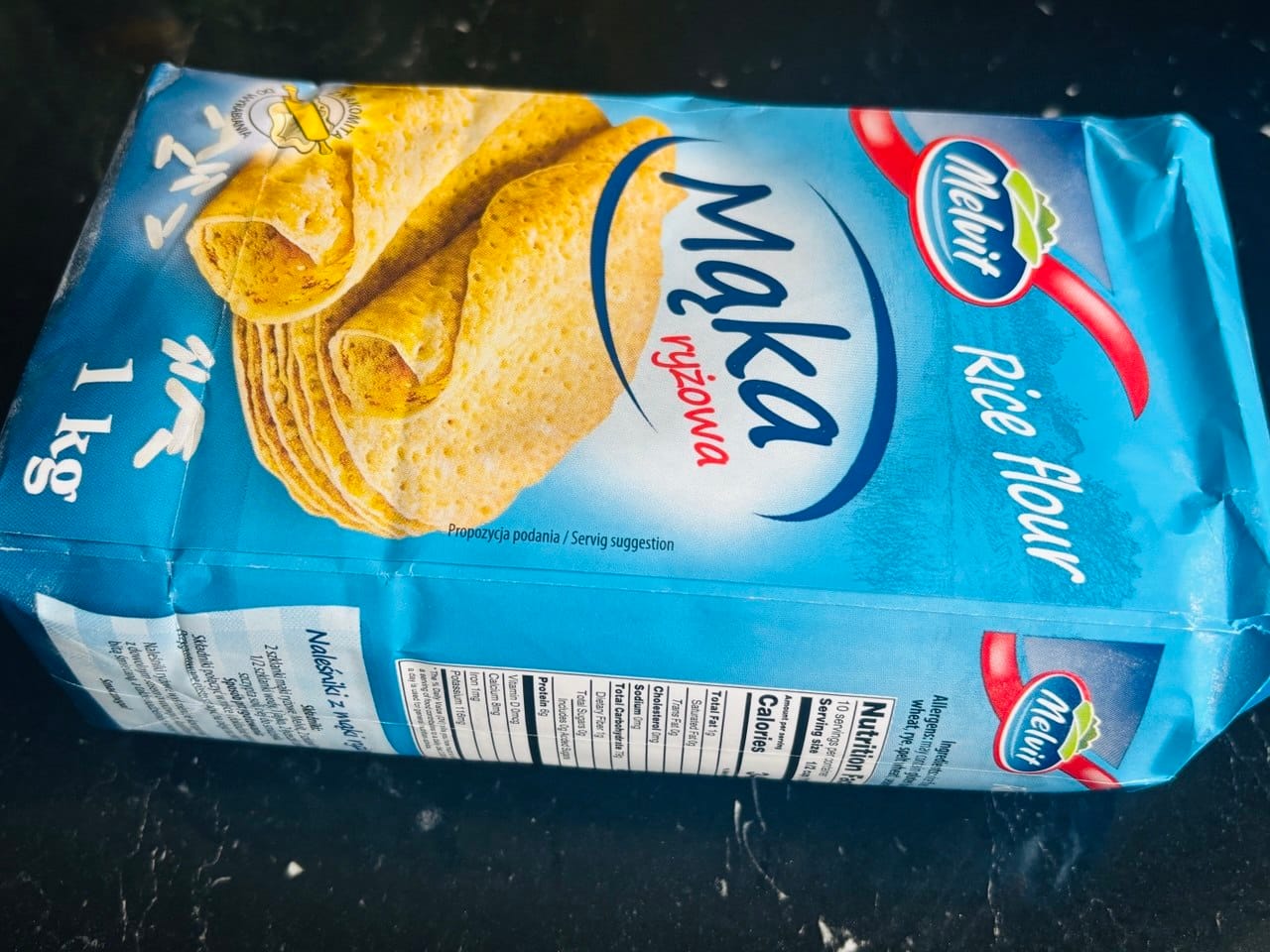
- Rice flour – neutral flavor, dry texture, low protein; mainly used as a base in blends and baked goods.
- Buckwheat flour – intense flavor, heavier texture, higher protein; works well in bread and pancakes.
- Cornstarch – neutral flavor, gelling properties, virtually no protein; used mainly for thickening.
Each of these flours plays a different role in the kitchen: corn flour brings color and crumb, buckwheat brings bold flavor and protein, rice flour acts as a neutral base, and cornstarch adds moisture and a tender crumb.
FAQ
1. Is corn flour safe for people with celiac disease?
Corn naturally contains no gluten, but cross-contamination risk during milling matters – choose products with a certified gluten-free label.
2. Are corn flour and cornstarch the same thing?
No. Flour is milled from the whole kernel; starch is a purified carbohydrate fraction.
3. Can I substitute it for wheat flour?
Not at a 1:1 ratio. It requires adjusting the liquid, fat, and binders.
4. Can you make bread with it?
Yes, but it works better blended with other gluten-free flours and a binder like psyllium husk.
5. Can you make tortillas with it, and how is that different from masa harina?
Plain flour isn’t enough – you need masa harina, corn that’s been nixtamalized (treated with an alkaline solution). That process changes the starch structure and gives a pliable dough that won’t crack.
6. Does it work for pancakes?
Yes, but usually blended with another flour or starch so the pancakes hold together.
7. Is it good for baking in general?
Yes, it works in muffins, cakes, flatbreads, and gluten-free bread.
Bottom Line
Corn flour doesn’t forgive mistakes if you treat it like regular wheat flour. It needs a different liquid ratio, support from a binder (like flaxseed or psyllium husk), and a grind chosen for the job at hand.
Key takeaways:
- For tortillas, use masa harina, not plain corn flour.
- For bread, blend it with other flours and add psyllium husk.
- For flatbreads and pancakes, use a fine grind and watch your hydration.
- Don’t assume every corn flour is certified gluten-free – check the label.
- Remember that gluten-free doesn’t mean automatically healthier.