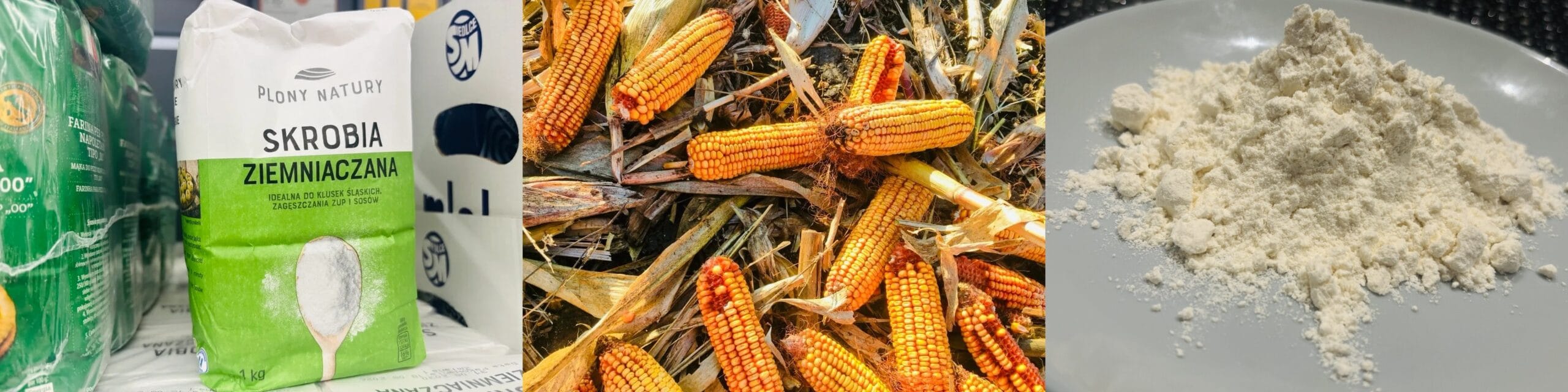
Four pale powders on the same shelf, all labeled gluten-free, all completely different in how they behave. Grab the wrong one and you end up with a tortilla that cracks, a loaf that won’t hold together, or a sauce full of lumps. This guide won’t replace the deep-dive articles on each product – it’s here to help you pick the right one fast, before you go read the full breakdown.
Quick Pick: Match the Job to the Product
- Thickening a sauce, soup, or kissel (a fruit dessert popular across Eastern Europe) → potato starch (clearer gel) or cornstarch (holds up better in acidic, long-cooked dishes).
- Baking bread and want real nutritional value → buckwheat flour, blended with another flour plus a binder like psyllium husk.
- Making tortillas or corn flatbreads → corn flour, though real tortillas specifically need masa harina, not the plain stuff off the shelf.
- Adding protein to a gluten-free bake → buckwheat flour, the only one of the four providing genuine nutritional value.
- Want a bake that stays moist inside → potato starch or cornstarch, added in small amounts to a flour blend.
Starch vs. Flour: The Basic Difference
Starch is a purified carbohydrate fraction – essentially pure starch, with virtually no protein, fat, or fiber. Its sole purpose is thickening and binding. Flour is milled from the whole grain or seed, so it keeps the protein, fat, and fiber – it builds structure and gives a dish real substance.
That distinction is why these four products aren’t interchangeable, even though they all sit on the same “gluten-free” shelf at the store.
The Four Products at a Glance
Cornstarch has a neutral flavor, sets at a higher temperature than potato starch, and holds up better through long cooking and in acidic sauces. It works well in tomato- or citrus-based dishes. For the full picture, check out our full guide on whether cornstarch is gluten-free, which also covers how to use it in recipes.
Potato starch forms a clearer gel than cornstarch, which is exactly why it’s the classic choice for traditional kissel. Our guide to potato starch and how to make lump-free kissel walks through the exact proportions to use at home.
Corn flour has a distinctly sweet flavor and actually builds structure in a bake, which starch can’t do. Real tortillas, though, require specially treated masa harina – our piece on corn flour uses and substitutes explains exactly how to tell the two apart at the store.
Buckwheat flour is the only one of the four with real protein content (10 to 14 grams per 100 grams) and a notable amount of rutin. Its bold, nutty flavor can take over a delicate bake, so picking between the light and dark versions actually matters – we break down that choice in our guide to buckwheat flour protein and baking, including which one to use for pancakes versus bread.
Can You Mix Them?
Yes, and in practice, blends outperform any single product used alone. A typical gluten-free formula looks like this: a neutral “base” flour (corn or rice), plus a more nutritious flour (buckwheat) for substance, plus a small amount of starch (potato or corn) for moisture, often finished off with psyllium husk or ground flaxseed as a binder to stand in for gluten.
It’s worth dialing in the ratios by experimenting – starting around 20 to 30 percent buckwheat flour in the mix keeps its strong flavor from taking over, with the rest made up of a neutral flour and a bit of starch.
Common Mistakes When Choosing
- Treating every “gluten-free flour” as a 1:1 wheat flour swap. Each one binds differently and absorbs a different amount of water.
- Reaching for starch when you actually need nutritional value. Starch thickens, but it’s buckwheat flour that adds protein and fiber to a bake.
- Buying plain corn flour for tortillas. Without nixtamalization (masa harina), the dough won’t hold together.
- Baking bread from 100% of a single gluten-free flour with no binder. Without psyllium husk or flaxseed, the crumb comes out dense no matter which flour you picked.
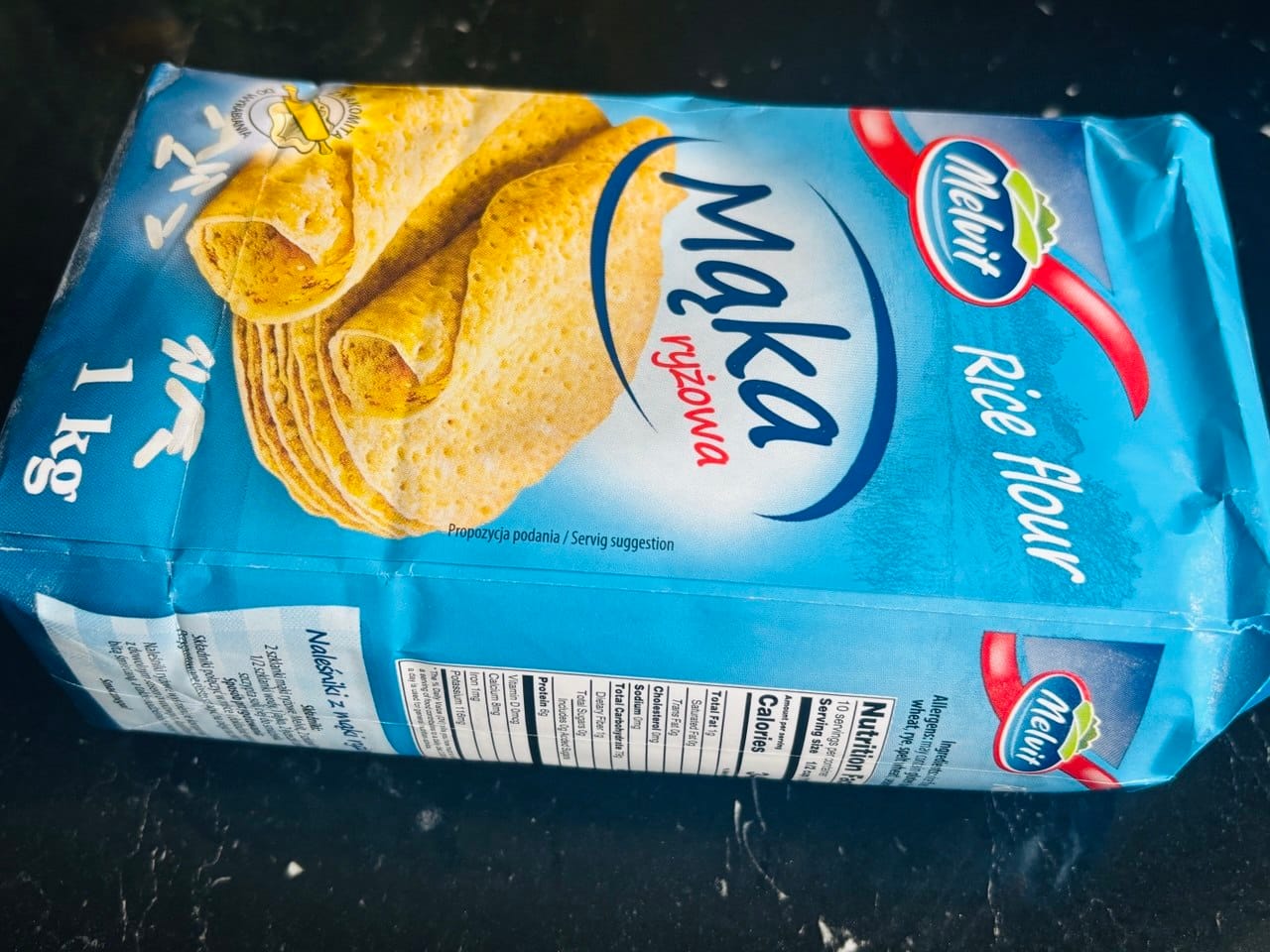
Read also: The fifth product worth knowing is rice flour – a neutral base worth understanding on its own. Check out our guide to rice flour, which also covers the difference between white, brown, and glutinous versions.
FAQ
1. Which gluten-free flour is the most nutritious?
Buckwheat flour, thanks to its protein, fiber, and rutin content. The starches (potato, corn) are close to pure carbohydrate.
2. Can potato starch and cornstarch be used interchangeably?
Partly – cornstarch holds up better through long cooking and acidic ingredients, while potato starch gives a clearer gel, which is why it wins for kissel specifically.
3. How many different gluten-free flours does a good bake actually need?
Usually two to three: a base flour, a more nutritious flour, a small amount of starch, and a binder like psyllium husk.
Final Tips for Choosing the Right Gluten-Free Flour or Starch
Starch thickens, flour builds structure – that’s the split to keep in mind before reaching for any of these four. Potato starch for kissel, cornstarch for long-cooked or acidic sauces, corn flour (or masa harina specifically) for tortillas, and buckwheat flour whenever the bake needs real nutritional weight behind it.