- Introduction
- Why Canada Is a Haven for Gluten-Free Vegans
- Plant-Based Roots: From Indigenous Heritage to Modern Streets
- Indigenous Culinary Traditions of Canada
- Staple Ingredients in Canadian Plant-Based Cuisine
- Regional Flavors Across Vegan Canada
- Classic Canadian Dishes: 100% Vegan & Gluten-Free
- Gluten-Free Travel in Canada: Real-World Practice
- A Day in the Life of a Canadian Plant-Based Eater
- The Vibrant Vegan Street Food Scene
- Flavors Shaped by Four Seasons
- Culinary Innovation in Major Canadian Cities
- Iconic Canadian Drinks (Vegan & Gluten-Free)
- Cooking Canadian Classics in Your Own Kitchen
- Where to Find the Best Plant-Based Eats While Traveling
- Summary
- FAQ – Frequently Asked Questions
Introduction
Yes, eating exceptionally well in Canada on a plant-based and gluten-free diet is surprisingly easy—especially in major hubs like Vancouver, Toronto, and Montreal. Many restaurants clearly label their menus with vegan and gluten-free symbols, while local grocery stores are fully stocked with plant milks, gluten-free grain flours, organic tofu, lentils, and wholesome, wheat-free staples.
Traditional Canadian food relies heavily on ingredients that naturally align with a plant-based diet: wild rice (manoomin), lentils, heirloom beans, corn, squash, wild mushrooms, berries, and pure maple syrup. Iconic dishes are effortlessly reimagined in vegan and gluten-free iterations—think crispy poutine slathered in rich mushroom gravy, savory lentil tourtière, hearty yellow split pea soup, and freshly baked bannock flatbread crafted from alternative flours.
However, if you have celiac disease or severe gluten sensitivity, attention to detail is essential. Deep-fried items, gravies, and griddle dishes can occasionally carry cross-contamination risks through shared fryers, prep surfaces, or kitchen equipment. This guide breaks down essential Canadian ingredients, regional specialties, classic recipes, and practical tips for navigating the country safely and deliciously.
Canadian plant-based cuisine is part of a larger North American tradition of celebrating local harvests, native grains, and rich seasonal produce.
Why Canada Is a Haven for Gluten-Free Vegans
Canada’s food culture is driven by a deep appreciation for healthy living, clean eating, and local agriculture. Public awareness regarding celiac disease and dietary restrictions is remarkably high, meaning almost every coffee shop and bistro readily stocks oat milk, almond-flour pastries, and wheat-free options.
The country’s rich multicultural tapestry plays a huge role in this plant-powered evolution. Asian communities introduced a vibrant culture of fresh tofu, steamed rice, and seaweeds; Middle Eastern influences brought velvety hummus and spiced chickpea dishes; and European culinary foundations inspired hearty stews that Canadian chefs now masterfully veganize. Combined with world-class local produce—from Prairie lentils to Pacific sea vegetables and British Columbia berries—Canada offers an unbeatable environment for plant-based foodies.
Plant-Based Roots: From Indigenous Heritage to Modern Streets
Long before modern dietary trends emerged, Indigenous Nations such as the Haudenosaunee and Anishinaabe understood the immense nutritional power of wild plants. Their ancestral diet revolved around wild rice, squash, beans, corn, and native forest berries. The agricultural practice known as the “Three Sisters”—planting corn, beans, and squash together—remains a masterclass in regenerative farming. Corn provides a natural trellis for climbing beans, beans fix nitrogen into the soil, and broad squash leaves shade the ground to retain vital moisture.
Subsequent centuries brought European settlers who introduced wheat flour and dairy, shifting regional foodways toward heavier fare. Today, however, Canada is experiencing a refreshing culinary return to its roots. Modern plant-based and gluten-free cooking strips away heavy, dairy-laden sauces in favor of clean, vibrant flavors: native grains, legumes, forest mushrooms, and the rich, natural sweetness of pure maple syrup.
Indigenous Culinary Traditions of Canada
To truly appreciate authentic Canadian flavors, one must start with the foundational ingredients preserved by First Nations communities for centuries.
Wild Rice (Manoomin)
Manoomin is not actually rice, but the seed of a native aquatic marsh grass harvested from canoes along northern lakes. It boasts a firm texture, a deep, smoky, nutty flavor, and is completely gluten-free. It excels in hearty autumn grain bowls, cranberry salads, and rich, comforting soups.
Pure Maple Syrup Beyond Breakfast
For Indigenous peoples, maple sap was a vital source of energy and minerals after long winters. Today, pure maple syrup is treated like an essential culinary seasoning rather than just a pancake topping. It is used to glaze smoky baked tofu, whisked into zesty salad dressings, and drizzled over roasted root vegetables like carrots and parsnips to unlock deep caramel tones.
Wild Forest Berries
Canada is a berry paradise. Cloudberries, cranberries, saskatoon berries, wild blueberries, and blackberries grow abundantly across the landscape. They serve as the base for quick fruit compotes, bright additions to gluten-free oatmeal, and acidic contrasts in savory stews.
Staple Ingredients in Canadian Plant-Based Cuisine
A peek into a Canadian vegan kitchen reveals a pantry built on nutrient-dense, naturally gluten-free wholesomeness:
- Lentils & Chickpeas – Canada is one of the world’s top producers and exporters of green and red lentils. They form the backbone of local veggie burgers, pot pies, and soups.
- Quinoa – Though native to South America, quinoa thrives in Canadian plant-based cooking as a protein-rich base for bowls and patties.
- Root Vegetables – Harsh winters demand long-lasting storage crops: beets, turnips, parsnips, rutabaga, and sweet butternut squash.
- Ocean Produce – Nutrient-dense seaweeds harvested along the Pacific and Atlantic coasts, such as kelp and dulse. Briefly toasted in a dry skillet, they impart a smoky, umami-rich flavor reminiscent of the ocean.
Regional Flavors Across Vegan Canada
Canada’s vast geography creates distinct regional food personalities from coast to coast.
Québec & French Influences
Québec blends classic French technique with plant-based flair. Here you will find savory buckwheat crepes (galettes), wild mushroom pâtés, and rich, winter-warming vegetable ragouts infused with thyme and whole cloves.
British Columbia (Pacific Coast)
Vancouver stands as the plant-based capital of the country. Lush and eco-conscious, its food scene leans heavily toward Pacific and Asian influences: expertly rolled tofu sushi, spicy coconut curry with local squash, and vibrant grain bowls packed with crispy seaweeds.
The Prairies (Alberta, Saskatchewan, Manitoba)
Known as Canada’s breadbasket, the vast Prairie provinces are a powerhouse of agricultural production. While wheat remains a major crop, oat, flax, and lentil farming dominate the plant-based scene. Expect comforting, stick-to-your-ribs meals: gluten-free potato pierogies, herb-roasted root vegetables, and steaming bowls of split pea soup.
Classic Canadian Dishes: 100% Vegan & Gluten-Free
Traditional Canadian comfort foods adapt beautifully to plant-based, gluten-free cooking without sacrificing an ounce of flavor.
Vegan & Gluten-Free Poutine
Québec’s ultimate comfort food. Traditionally a pile of french fries topped with cheese curds and beef gravy, the elevated vegan version features piping-hot, crispy hand-cut fries smothered in a rich, dark wild mushroom gravy thickened naturally with potato starch. It is finished with melty, artisanal cashew or almond-based cheese curds.
Plant-Based Tourtière
A festive French-Canadian spiced pie traditionally served during the holidays. The savory filling features brown lentils, finely minced cremini mushrooms, diced celery, and sweet onions, seasoned with allspice, nutmeg, and cloves. It is encased in a flaky, gluten-free crust made from rice and oat flours bound with coconut oil.
Oven-Baked Bannock
An Indigenous flatbread historically cooked over open campfires. Today’s gluten-free version uses a blend of cornmeal and chickpea flour mixed with water, sea salt, and gluten-free baking powder. Served hot with a smear of vegan butter and wild cranberry jam, it offers an unforgettable taste of northern heritage.
Vegan Beavertails (Elephant Ears)
A famous Canadian street treat—stretched fried dough shaped like a beaver’s tail, dusted with cinnamon sugar or drizzled with maple glaze. Yeast-raised gluten-free batters baked or fried on dedicated allergen-friendly equipment make this iconic sweet accessible to all.
Yellow Split Pea Soup
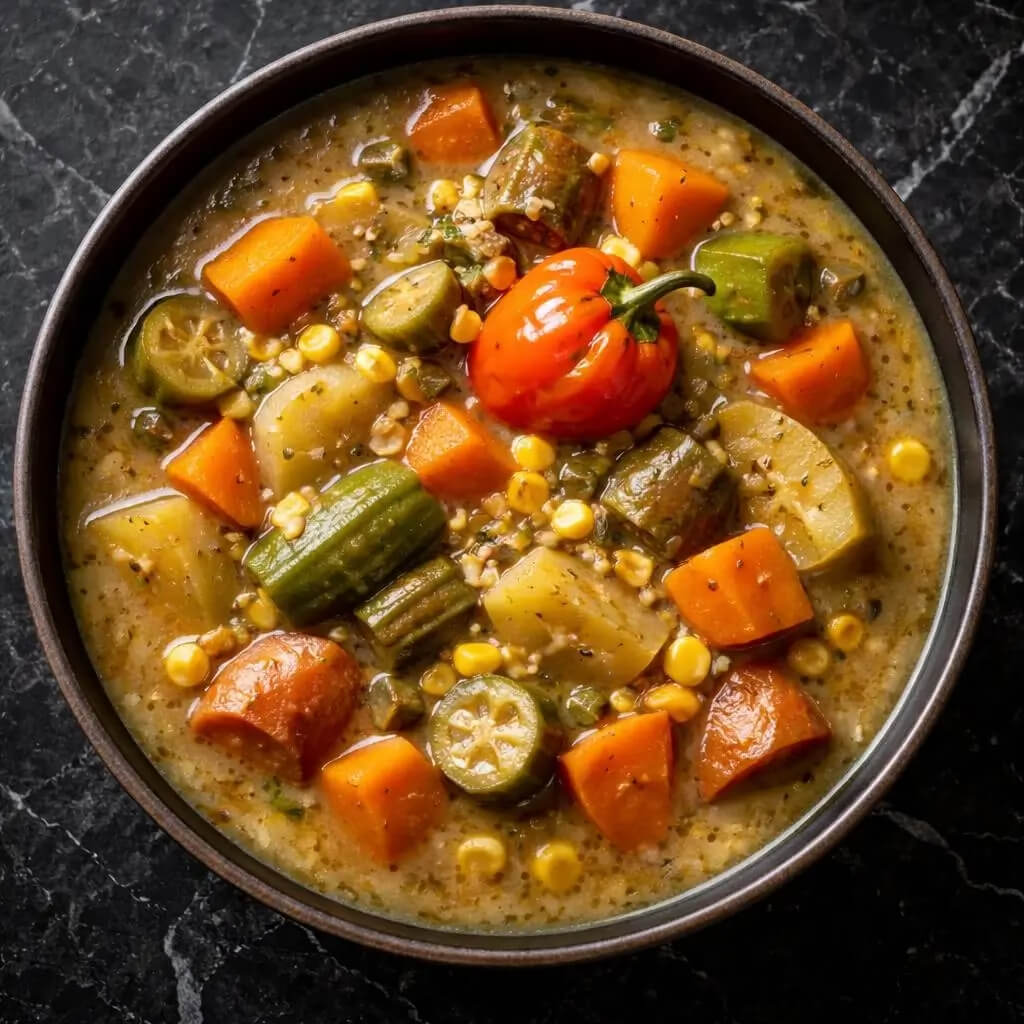
Thick, velvety, and deeply nourishing. The plant-based version skips salted pork, relying instead on caramelized onions, smoked paprika, and a touch of liquid smoke to build rich, savory depth as the split peas break down into a creamy puree.
Homemade Recipe: Rich Gluten-Free Mushroom Poutine Gravy
Creating an authentic, deeply savory poutine gravy at home requires just a few simple pantry items:
- Base Ingredients: 1.5 oz (40g) dried porcini or forest mushrooms, 1 large yellow onion (diced), 2 cloves garlic (minced), 3 tbsp neutral cooking oil.
- Liquids & Thickener: 2 cups (500ml) rich vegetable broth, 2 tbsp gluten-free Tamari soy sauce, 2 tbsp potato starch dissolved in 3 tbsp cold water.
- Preparation: Soak dried mushrooms in 1 cup of boiling water for 30 minutes; drain and chop finely, reserving the soaking liquid. In a saucepan, deeply caramelize the onion and garlic in oil until golden brown. Add the chopped mushrooms and sauté for 3 minutes. Pour in the vegetable broth, reserved mushroom liquid, and Tamari. Simmer gently for 15 minutes. Stir in the potato starch slurry and whisk continuously until the gravy becomes thick, glossy, and rich. Pour steaming hot over fresh fries and vegan cheese curds.
Gluten-Free Travel in Canada: Real-World Practice
Navigating Canada on a strict gluten-free diet for celiac disease is straightforward compared to many global destinations. Cross-contamination awareness in professional kitchens is exceptionally high. Restaurant menus feature dedicated “GF” and “V” keys, and servers are well-trained on allergen safety. Gluten-free pie crusts, oat milk coffees, and wheat-free burger buns are widely available across most dining establishments.
A Day in the Life of a Canadian Plant-Based Eater
Breakfast
Mornings often start with a stack of fluffy gluten-free oat pancakes drenched in pure maple syrup and topped with fresh BC blueberries. Coffee shops frequently feature savory tofu scrambles seasoned with turmeric, nutritional yeast, and tempeh bacon, served alongside crispy home-style skillet potatoes.
Lunch
Midday meals balance warmth and lightness. A creamy roasted butternut squash soup or a quick, protein-dense quinoa salad loaded with toasted pumpkin seeds, crisp garden greens, and a creamy tahini-maple dressing is a daily staple.
Dinner
Dinner is a hearty affair. During warmer months, Canadians love grilling plant-based burgers, smoky tempeh, and sweet corn on the cob. As temperatures drop, tables fill with slow-simmered chickpea curries, baked root vegetable casseroles, and rich lentil stews.
The Vibrant Vegan Street Food Scene
Urban food truck culture in major Canadian cities goes far beyond standard fare. At street festivals and downtown plazas, you will easily spot vendors serving fully plant-based poutine, crispy falafel wrapped in gluten-free tortillas, and charred corn dressed in lime, chili, and cilantro. Canadian street food is vibrant, fast, and boldly seasoned.
Flavors Shaped by Four Seasons
Eating in Canada follows a strict seasonal cadence. Spring brings tender asparagus, rhubarb, and wild fiddlehead ferns. Summer is an outdoor festival of field tomatoes, sweet berries, and leafy greens. Autumn fills kitchens with the aroma of baked apples, roasted squash, and wild forest mushrooms dried for winter storage. Winter calls for hearty root crops, preserved berries, and warming legume soups.
Culinary Innovation in Major Canadian Cities
For cutting-edge dining, head to Canada’s major metropolitan centers. In Toronto’s Kensington Market, you can spend an entire day sampling gluten-free vegan bakeries and cozy plant-based ramen shops. Montreal delights with creative spins on classic bistros—think house-made nut cheeses and vegan deli classics. In Vancouver, health-focused eateries serve up innovative plant-based sushi, cold-pressed juices, and ocean-friendly kelp bowls.
Iconic Canadian Drinks (Vegan & Gluten-Free)
- Maple-Infused Beverages – Pure maple syrup acts as a natural sweetener in hot teas, lattes, and cold-pressed lemonades.
- Pure Cranberry Juice – Tart, crisp, and refreshing, often served warm with cinnamon and cloves during winter.
- Ice Cider – A luxurious dessert wine crafted from apples frozen naturally on the branch. Naturally gluten-free and 100% plant-based.
- Craft Ciders – While traditional beers contain gluten from barley or wheat, Canada boasts a thriving craft cider industry offering crisp, naturally gluten-free apple and pear ciders.
Cooking Canadian Classics in Your Own Kitchen
Recreating Canadian plant-based flavors at home requires no hard-to-find ingredients. Focus on high-quality basics: build a deep vegetable stock using roasted root vegetables, don’t skimp on dried mushrooms for gravies, and use gluten-free Tamari to add savory umami. Investing in a bottle of authentic, Grade-A dark maple syrup will effortlessly elevate your roasted vegetables and salad dressings.
Where to Find the Best Plant-Based Eats While Traveling
When visiting Canada, skip the generic tourist traps and explore local farmers’ markets and neighborhood spots. In Vancouver, visit Granville Island Public Market for artisan vegan cheeses and fresh berries. In Montreal, wander through the Plateau Mont-Royal neighborhood for intimate plant-based cafes. In Victoria, enjoy fresh seaweed salads and sea-vegetable bowls while taking in views of the Pacific coast.
Summary
Plant-based, gluten-free Canadian cuisine is far from a series of dietary compromises. It is a bold, deeply comforting food tradition built on exceptional natural ingredients—from rich mushroom gravies poured over crispy hand-cut potatoes to earthy wild rice and sweet maple treats. By focusing on whole grains, legumes, forest mushrooms, and seasonal produce, anyone can enjoy the rich taste of Canada from anywhere in the world.
Key Canadian Plant-Based & Gluten-Free Specialties
| Dish / Item | Core Ingredients (100% Plant-Based & GF) | Flavor Profile & Highlights |
|---|---|---|
| Vegan Poutine | Hand-cut fries, cashew cheese curds, potato-thickened mushroom gravy | Savory, rich, and comforting. The ultimate cool-weather dish. |
| Plant-Based Tourtière | Brown lentils, cremini mushrooms, spices, gluten-free pie crust | Warm, aromatic, and spiced with nutmeg, cloves, and allspice. |
| Skillet Bannock | Cornmeal, chickpea or oat flour, water, gluten-free baking powder | Dense, comforting flatbread served with jam or savory toppings. |
| Vegan Beavertails | Gluten-free yeast dough, cinnamon sugar, pure maple glaze | Warm, sweet, fried pastry coated in aromatic cinnamon sugar. |
| Wild Rice (Manoomin) | Native aquatic grass seeds, cranberries, toasted pecans | Deeply nutty and chewy; distinctly different from standard rice. |
| Yellow Split Pea Soup | Yellow split peas, root vegetables, smoked paprika, liquid smoke | Thick, velvety, and warming without any animal products. |
FAQ – Frequently Asked Questions
Is it easy to find vegan and gluten-free food in Canada?
Yes. Awareness of dietary preferences and celiac safety is exceptionally high. Major cities feature dedicated “V” and “GF” labels on restaurant menus, and plant-based milks and cheeses are widely available in cafes and supermarkets.
What traditional Canadian dishes can be made vegan and gluten-free?
Nearly all classic comfort foods adapt easily. Poutine uses rich mushroom gravy and nut-based cheese curds; Tourtière features a spiced lentil and mushroom filling; and Bannock is easily baked with gluten-free flour blends.
What are popular plant-based Canadian breakfast options?
Popular options include tofu scrambles seasoned with tempeh bacon, hearty bowls of steel-cut oats, and gluten-free oat pancakes served with authentic pure maple syrup.
Is Canadian street food safe for celiacs?
Yes, but always verify kitchen prep methods. Many vendors offer roasted corn, falafel in gluten-free wraps, and vegan ice creams. For poutine, always ask if the french fries are cooked in a dedicated gluten-free fryer.
Which local plant-based ingredients are best to buy in Canada?
Authentic Québec maple syrup, wild rice (manoomin), dried cranberries, wild blueberry preserves, and Pacific seaweeds (like kelp or dulse) are top-quality local buys.
This article is for informational and educational purposes only and does not constitute medical, nutritional, or legal advice. Individuals with celiac disease, severe food allergies, or specific medical conditions should always consult a qualified healthcare professional or dietitian before making significant dietary changes or traveling. While every effort has been made to ensure accuracy, readers are encouraged to verify preparation practices directly with food service establishments.