- 1. Vegetarian Iranian Cuisine – Why Discover Persian Flavors?
- 2. The “Garm” and “Sard” Principle: A Traditional Philosophy of Balance in Persian Cooking
- 3. Addictive Aromas: Saffron, Rose Water, and Dried Limes
- 4. The Golden Crust, or the Magic of Tahdig: The Heart of an Iranian Feast
- 5. Top 5 Iconic Vegetarian Iranian Dishes (Recipes That Will Transform Your Kitchen)
- 6. Persian Street Food and the Picnic Culture: What Do People Snack on in Tehran?
- 7. A Sweet Ending: Are Iranian Desserts Vegan?
- 8. Frequently Asked Questions (FAQ)
- 9. Sources and Inspirations
- 10. Important Information
1. Vegetarian Iranian Cuisine – Why Discover Persian Flavors?
When we hear about Middle Eastern cuisine, we often picture succulent grilled meat, lamb, or aromatic kebabs. While Iran certainly has a lot to offer meat lovers, its culinary soul has another, incredibly important layer – the richness of vegetables, herbs, and legumes. Iranian cuisine in a vegetarian version is a fascinating world of flavors that proves plant-based cooking in this country has deep roots. Of course, traditional Persian cooking is largely based on meat, but its structure and philosophy make adapting dishes to a meatless version surprisingly natural.
The key here is “Sabzi” – fresh herbs. They are an essential part of most meals. On every Iranian table, you’ll find a huge platter of basil, mint, cilantro, chives, arugula, as well as dried fenugreek, which adds depth to dishes. It’s these aromas that make Iranian vegetarian dishes so vibrant. When looking for an answer to what vegetarians eat in Iran, the first thought is this ubiquitous greenery. Walking through the bazaars of Isfahan or Tehran, you can feel this love for the earth’s bounty – stalls groan under the weight of pomegranates, dried limes, almonds, pistachios, and countless varieties of rice.
Everyday Iranians often eat dishes that are naturally plant-based or require only the omission of one ingredient to become fully vegetarian. Talking about Iranian cuisine without meat isn’t about compromise; it’s about discovering a rich, centuries-old tradition. That’s why traditional vegetarian Iranian cuisine is so appealing to those seeking depth of flavor and interesting combinations. It’s proof that plant-based versions of Persian specialties can be more refined and aromatic than many a meat-based offering.
2. The “Garm” and “Sard” Principle: A Traditional Philosophy of Balance in Persian Cooking
What sets Persian cuisine apart from many others is not just the recipes, but a concept deeply rooted in Avicennan medicine: “Garm” (warm) and “Sard” (cold).
It’s worth noting that this is a traditional philosophy, not a scientifically proven theory – though for Iranians, it remains an important element of culinary thinking. Every ingredient has its “nature,” and the goal is to maintain balance in the body. And this is key to understanding why vegetarian versions of Persian dishes are so thoughtfully composed.
According to this principle, meat (especially lamb) is “warm.” To balance a meal, “cold” ingredients like yogurt, spinach, or cilantro are added. In the plant-based version, this harmony becomes even more refined. Eggplant – a vegetable of “cold” nature – is paired with “warm” spices like pepper or mint, as well as nuts. A perfect example is the famous dish Fesenjan. Traditionally, it’s made with duck or chicken, but its plant-based counterpart – with just walnuts and pomegranate – beautifully illustrates the principle: “cold” pomegranate meets “warm” walnuts, creating an exceptional balance of flavor and energy.
For those on a plant-based diet, this way of thinking can be an inspiring guideline. When preparing saffron rice (which is considered “warm”), it’s a good idea to serve it with plant-based yogurt or pickles, which have a “cooling” effect. This approach gives plant-based versions of Iranian dishes a holistic dimension – they not only nourish but, according to local tradition, also help maintain well-being.
3. Addictive Aromas: Saffron, Rose Water, and Dried Limes
If I had to name three things that define the scent of Persian cuisine, without hesitation I’d say saffron, rose water, and dried limes (limoo amani). They are what give vegetarian versions of Iranian dishes their unique, elegant character.
Saffron is the king of Persian spices. Its costliness means it’s treated with the utmost respect. The threads must first be ground and then steeped to release their intense, sunny color and deep, earthy aroma. In Persian cooking for vegetarians and vegans, saffron is indispensable – it transforms plain rice into saffron polow, adds depth to soups and stews.
Rose water is the essence of a Persian garden. Its scent evokes luxury, and in cooking it adds a floral, delicate sweetness. In meatless dishes, rose water appears both in savory preparations and, above all, in desserts. Dried limes (limoo amani) are an absolute game-changer. They look like small, hard, brownish balls, but their flavor is an explosion of sour, citrusy, slightly smoky notes. There’s no substitute for them. They’re used in stews, soups, and bean dishes. They’re what give that characteristic tangy taste to many traditional dishes, which in their plant-based versions gain even more depth from this addition.
4. The Golden Crust, or the Magic of Tahdig: The Heart of an Iranian Feast
You might think the most important part of an Iranian meal is the main dish itself. Far from it. For Iranians, the real treasure is Tahdig – literally “bottom of the pot.” It’s that wonderfully crispy, golden layer of rice (or thin bread, potatoes, even lettuce) that forms at the bottom of the pan during cooking. In the vegetarian version of Iranian cuisine, Tahdig reaches almost sacred status. It’s proof of the cook’s skill, and the battle for the last, biggest, crispiest piece is a ritual at every Persian table.
Making perfect Tahdig is an art that requires patience. Rice (preferably long-grain basmati) is first washed, then parboiled in salted water until half-cooked. It’s drained, and in a pot with hot oil and a bit of saffron (or egg yolk – for a vegan version, just oil and a thin layer of cooked rice mixed with saffron work beautifully), a layer of rice is arranged, shaped into a mound. Then the pot goes on low heat, and a towel is placed under the lid to absorb excess steam. After about 40–50 minutes, when the house fills with the scent of toasted rice, it’s time for the “big reveal.”
Tahdig can be made in many ways: with thin lavash or sangak bread, with potato slices, even with noodles. In the plant-based version, all these options are fair game. If you’re on a gluten-free diet, you can make Tahdig with just rice – without bread or noodles – and it’s just as spectacular. Many gluten-free Iranian dishes rely on rice and legumes, so rice-only Tahdig is an excellent choice. Sharing Tahdig and breaking it together is a symbol of hospitality and family closeness.
5. Top 5 Iconic Vegetarian Iranian Dishes (Recipes That Will Transform Your Kitchen)
Enough theory – the most important thing is what ends up on the plate. Below are five recipes for the most popular plant-based dishes from the Persian pot. Each has its own story, its own character, and – most importantly – can win over even those who aren’t keen on meat-free cooking. Remember, the secret lies in fresh ingredients and patience.
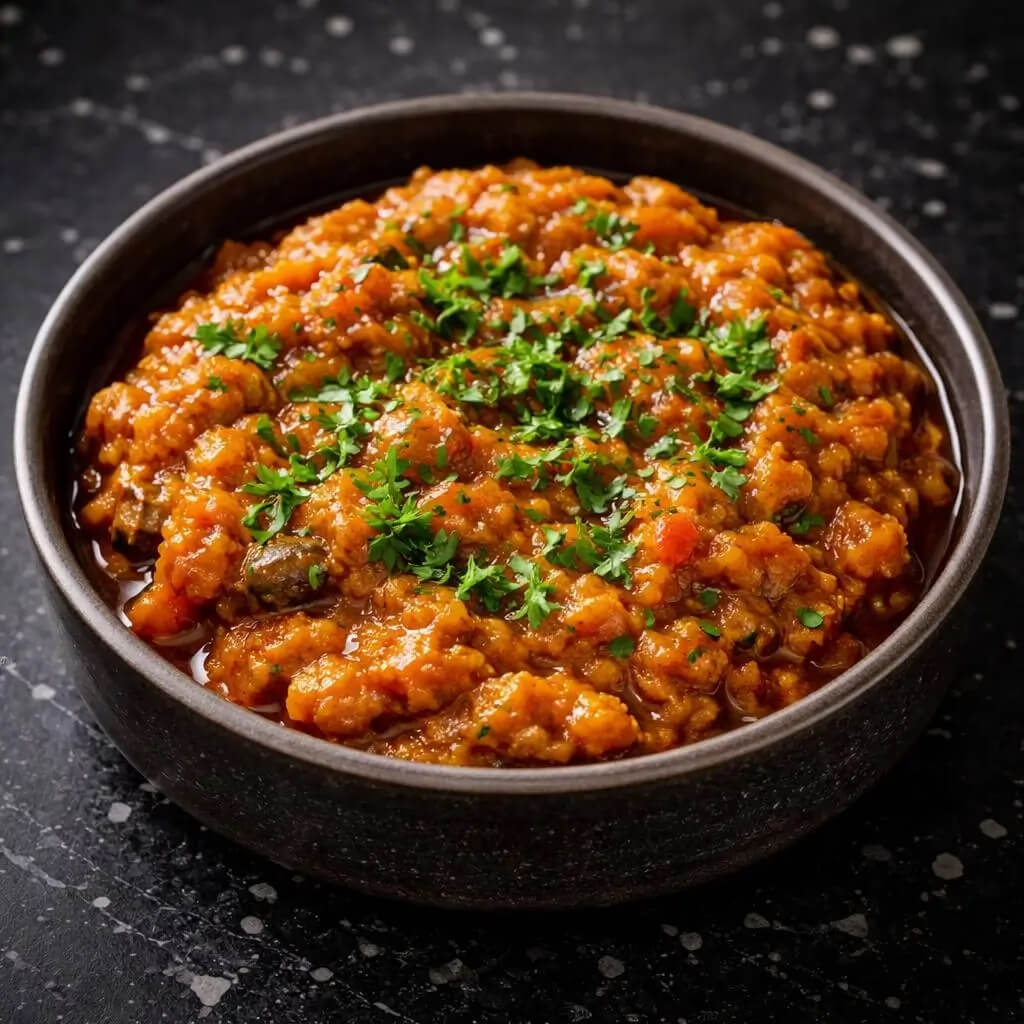
Mirza Ghasemi – Smoky Eggplant That Wins Hearts
This dish from northern Iran, from the Caspian Sea region, is a true ode to eggplant. It starts with roasting eggplants directly over a flame or on a gas burner until their skins are completely charred and the flesh becomes soft and infused with a smoky aroma.
- Ingredients: 4 medium eggplants, 3–4 garlic cloves, 2–3 tomatoes (or 2 tbsp tomato paste), 2 eggs (optional; omit for vegan version), oil, salt, pepper, turmeric, optional ginger.
- Preparation: Roast eggplants, let cool, peel off charred skin, drain, and chop. In a pan with oil, sauté minced garlic, add eggplant, tomato paste, turmeric, salt, and pepper. Simmer for 10 minutes. If using eggs, crack them in and stir until set. Serve with warm bread.
Personally, I like to add a touch of grated ginger to Mirza Ghasemi – it gives it a fresh kick. This dish is perfect for cool evenings when you want something warming yet simple.
Ash Reshteh – A Hearty Noodle and Herb Soup of Fortune
Ash Reshteh is more than a soup. It’s a thick, satisfying meal traditionally served during the Persian New Year (Nowruz) and various ceremonies, symbolizing good fortune and prosperity.
- Ingredients: 1 cup mixed legumes (lentils, chickpeas, beans), 1 onion, 3–4 garlic cloves, a large bunch of fresh herbs (parsley, cilantro, chives, spinach), dried fenugreek, reshteh noodles (can be substituted with gluten-free noodles), kashk (or thick plant-based yogurt with lemon juice), mint, oil, salt, pepper, turmeric.
- Preparation: Cook legumes separately. Finely chop herbs and sauté with onion and garlic in oil. Add legumes, herbs, fenugreek, turmeric, cover with water, and cook until thickened. Add noodles and cook a few more minutes. Before serving, drizzle with kashk (or its plant-based substitute) and top with mint fried in oil.
Note: if you avoid gluten, you can use rice or corn noodles – gluten-free options are increasingly available in Iran. Ash Reshteh tastes even better the next day, after the flavors have melded.
Kashke Bademjan – Creamy Eggplant Dip
Kashke Bademjan is a velvety, aristocratic dip. The key ingredient is kashk – a fermented whey product, often dried. It has a tangy, slightly salty flavor. In a plant-based version, you can substitute it with thick soy yogurt mixed with lemon juice and salt, or simply omit it – the dish will still be delicious.
- Ingredients: 4 eggplants, 2 onions, 3–4 garlic cloves, 3–4 tbsp kashk (or substitute), 2 tbsp dried mint, oil, salt, pepper, turmeric, a handful of walnuts for garnish.
- Preparation: Slice eggplants, salt them, let sit for 20 minutes, rinse and dry. Fry in deep oil until golden.
In a separate pan, sauté onion and garlic, add turmeric, then the eggplants. Simmer briefly, transfer to a bowl, add kashk, pepper, and mix. Serve topped with mint fried in oil and walnuts.
In Iran, kashke bademjan is often served as an appetizer with warm bread. Note – the classic version isn’t vegan, but it’s easy to make plant-based. And it’s just as tasty.
Kookoo Sabzi – Herb Frittata Pie Where Greens Take the Lead
Kookoo Sabzi is proof that Persian cuisine doesn’t waste herbs. It’s a type of omelet, or rather a green pie, where eggs act as a binder, and herbs take center stage – in quantities that might scare off anyone used to European cooking.
- Ingredients: 4–5 eggs, a large bunch of fresh herbs (parsley, cilantro, dill, chives), 3–4 tbsp flour (can be gluten-free, e.g., chickpea flour), a handful of walnuts, 2 tbsp dried barberries (or cranberries), oil, salt, pepper, turmeric.
- Preparation: Finely chop herbs. Mix with eggs, flour, walnuts, barberries, and spices. Pour onto a heated oiled pan, cook covered over low heat for 15–20 minutes until set. Can also be baked in the oven.
Kookoo Sabzi is often served cold as a snack. It’s great as a lunchbox option. For a vegan version, you can use chickpea flour mixed with water (like a vegan omelet), but the flavor will be slightly different – still delicious.
Adas Polo – Regal Rice with Lentils, Raisins, and Dates
Polo, or rice, in Iran is a ceremony in itself. Adas Polo is one of its most spectacular and flavorful versions.
- Ingredients: 2 cups basmati rice, 1 cup lentils (brown or green), 1 onion, a pinch of saffron, 2 tbsp raisins, 2 tbsp chopped dates, 2 tbsp almonds or pistachios, oil, salt, pepper, cinnamon, cumin.
- Preparation: Soak rice and parboil until half-cooked, drain. Cook lentils until tender. In a pan, sauté onion, add raisins, dates, almonds, cinnamon, cumin. In a pot, heat oil, layer rice, lentils, and the onion mixture, repeating. Add saffron dissolved in water. Cook covered over low heat for 30–40 minutes to form a crispy tahdig.
This dish is naturally vegan (as long as no butter is added). Serve with plant-based yogurt or on its own – the sweetness of raisins and dates contrasts beautifully with the earthy flavor of lentils.
6. Persian Street Food and the Picnic Culture: What Do People Snack on in Tehran?
The real culinary life of Iran unfolds not only in homes but also on the streets and in parks. The street food culture in Tehran or Isfahan is surprisingly rich, and for vegetarians and vegans it can be just as exciting. A key phrase to know is “without meat” – “bedoone goosht.” Locals are incredibly hospitable, and when they hear you don’t eat meat, they’ll proudly offer what for them is obvious – falafel. It’s worth noting that falafel has its roots in Middle Eastern cuisine (often associated with Egypt or Lebanon), but in Iran it’s extremely popular, served in a more spiced version, often with fresh mint and crunchy vegetables.
Another street gem is “sambuse” – triangular pastries, the Persian answer to Indian samosas. They’re filled with potatoes, herbs, sometimes lentils, then deep-fried. Perfect for a quick, cheap, and filling meal. Don’t forget about “kalab,” roasted beets sold on every corner, and corn on the cob.
However, Iranians’ true love is the picnic culture. On Fridays, the day off, entire families flock to parks, spread out blankets, and have grand feasts. If you’re wondering what people eat in Iran on a vegetarian diet, this picnic tradition gives the best answer.
On the blanket, you’ll find everything: fresh bread (barbari, sangak, lavash), lots of herbs (sabzi), feta cheese, nuts, olives, watermelon, fresh cucumbers, and homemade pickles (“torshi”). It’s in these moments that you see Persian plant-based cuisine as a very natural choice – no fuss, just reaching for what’s best. For a traveler wanting to sample local food without meat, the best advice is to head to a park or look for eateries advertising “sabzi” and “torshi.”
7. A Sweet Ending: Are Iranian Desserts Vegan?
After a hearty, aromatic meal, it’s time for something sweet. And here again, a surprise awaits. Many traditional Persian desserts have the potential to be vegan, though not all are. A classic example is “Faloodeh” – a refreshing sorbet made with thin rice noodles, rose water, and lime juice. It has the consistency of delicate ice, perfect for hot days. It is usually vegan and gluten-free, though some versions are served with ice cream (which is not vegan).
Another classic is Persian halva. Unlike its Middle Eastern cousin, Persian halva is often made with sesame oil, wheat flour, rose water, and saffron. Its texture is creamy, and its flavor intensely sweet. Caution – not all versions are vegan, as butter is often added. If you’re on a plant-based diet, it’s worth asking about the ingredients. Similarly, with gluten – halva made with wheat flour is not gluten-free. However, there are versions made with chickpea flour that are safe.
Fortunately, Iran is not short of desserts that are naturally plant-based: fresh fruit (pomegranates, melons, grapes), sorbets (like Faloodeh), and sweets based on pistachios, rose water, and sugar. Returning to the question of whether Iranian cuisine is vegetarian in its dessert offerings – yes, but with some caveats. Just choose carefully.
While the rose-scented sweets of Persia are a perfect finale, the journey through the flavors of the Silk Road doesn’t have to end here. If you’ve fallen in love with the aromatic combination of saffron, pomegranate, and fresh herbs, you will find a similar magic just across the border. Dive deeper into the regional variations of the Caucasus and explore our next guide: Azerbaijani Vegetarian Cuisine – Tradition, Vegetables, and Aromatic Spices. Discover how the same ingredients are transformed into unique plant-based masterpieces in a culture where hospitality and vegetables take center stage.
8. Frequently Asked Questions (FAQ)
Is Iranian cuisine vegetarian?
Not entirely. Traditionally it’s meat-based, but it has a very rich plant-based foundation: vegetables, legumes, herbs, rice. Many dishes can easily be made vegetarian, and awareness of plant-based diets is growing in Iran year by year. A vegetarian won’t go hungry, but it’s helpful to know how to communicate your preferences.
What do people eat in Iran on a vegetarian diet?
Staples include eggplant dishes (Mirza Ghasemi, Kashke Bademjan), soups (Ash Reshteh), rice with additions (Adas Polo, herb rice), as well as fresh herbs, cheese, nuts, fruits, and pickles. On the street, falafel, sambuse, and various stuffed pastries are popular.
Is Iran vegan-friendly?
It’s an increasingly friendly destination, especially in larger cities. Many traditional dishes can easily be made vegan (by omitting eggs, yogurt, kashk). In restaurants, simply ask for “bedoone kashk” (without kashk) or “bedoone panir” (without cheese). In markets and street food, you’ll find falafel, potato sambuse, roasted beets, as well as fresh fruit and sorbets.
Which Iranian dishes are gluten-free?
Many classic dishes based on rice (polo, tahdig), stews (khoresh), and soups without noodles are naturally gluten-free. Avoid dishes with reshteh noodles (Ash Reshteh) and bread (barbari, sangak, lavash). Tahdig can be gluten-free if made with only rice, not bread. A gluten-free diet in Iran requires attention but is not impossible – it’s best to stick to rice-based dishes and fresh ingredients.
What are the most important spices in vegetarian Iranian cuisine?
Saffron, dried limes (limoo amani), turmeric, cinnamon, cumin, dried fenugreek, and rose water. These give dishes their characteristic Persian flavor.
What’s the best bread for Iranian vegetarian dishes?
Barbari – a thick, oval bread, great for dipping in stews; sangak – thin, baked on pebbles, with a unique texture; lavash – very thin and flexible, perfect for wrapping. All these breads contain gluten – if you need a gluten-free version, it’s best to go for rice or make your own bread from rice flour. When traveling, you could ask for “nân-e bedoone gluten,” though it’s not widely understood – safer to choose rice-based dishes.
9. Sources and Inspirations
In creating this material, we drew on knowledge from authoritative sources, culinary publications, and years of culinary observation. We used materials from the archives of such institutions as BBC Food, The Guardian (food section), articles from magazines like Saveur, and academic publications on the anthropology of food in the Middle East. We also consulted with renowned food bloggers specializing in Persian cuisine, such as Turmeric & Saffron and The Persian Fusion, and relied on cookbooks by Naomi Duguid (“Taste of Persia”) and Margaret Shaida (“The Legendary Cuisine of Persia”). Our thanks go to the community of Iranian cooks who share their knowledge, allowing us to discover the true flavors of this fascinating cuisine.
10. Important Information
This material is for informational purposes only and does not constitute medical, dietary, or legal advice. Before making significant changes to your diet, especially if you have allergies, food intolerances (including gluten), or chronic conditions, we recommend consulting a qualified physician or dietitian. The editorial team has made every effort to ensure the information in this article is reliable and based on verified sources, but we are not liable for any consequences resulting from the use of the content provided. For travel to Iran, please check current safety recommendations and local laws and cultural norms.