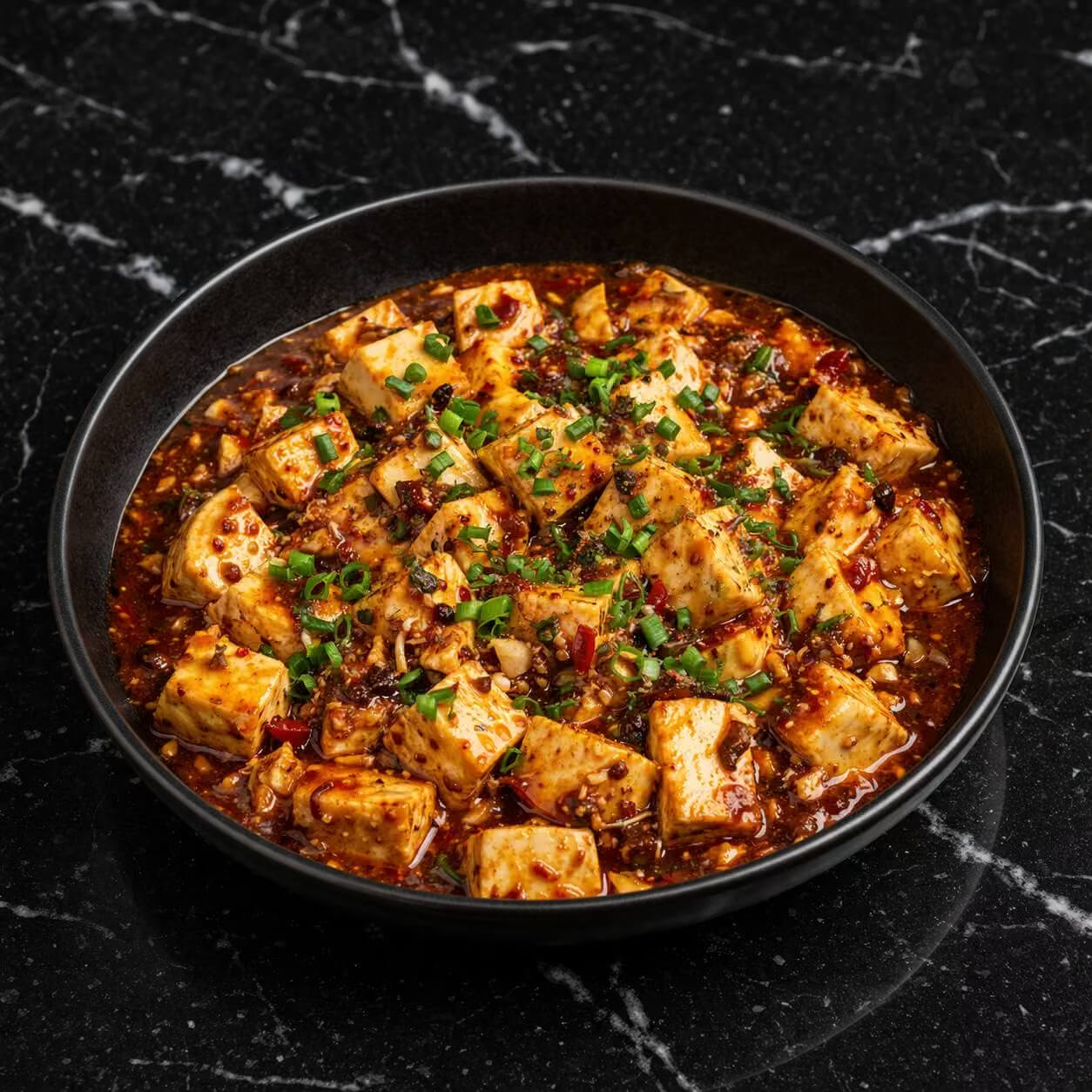
When we think of Malaysia, what usually comes to mind are the skyscrapers of Kuala Lumpur or the lazy beaches of Penang. But the true soul of this country is its food. And here’s the thing – it’s not about meat dishes at all. Malaysian vegetarian cuisine is a fascinating melting pot of Malay, Chinese, and Indian flavours coming together to create something truly special. It may sound a bit exotic, but you’ll soon see it’s a paradise for anyone who doesn’t eat meat.
1. Malaysian Cuisine: More Than Street Food – A Global Trend
For years, Malaysian food was associated mainly with night markets and the bustle of roadside stalls. And rightly so – that’s where the heart of the country’s gastronomy beats. However, in 2024–2025, Malaysian vegetarian cuisine started appearing on the radar of global food critics for a completely different reason. It turns out that this Southeast Asian country has always had dishes that fit perfectly into today’s plant‑based trends. No big noise, no trendy labels – they were just there. That’s the very essence of authenticity that is so often missing in Western interpretations of Asian food.
Take tempeh, for instance. This fermented soy product, originating in Indonesia (specifically Java), is now widely used in Malaysia and recognised as a superfood rich in protein and probiotics. Who would have thought that the local plant‑based cuisine would be decades ahead of global trends? Exactly – authenticity and environmental awareness go hand in hand here. Interestingly, more and more travellers are seeking out places where vegetarianism isn’t a fad but a natural part of everyday life. That’s why Malaysian cuisine without meat (or rather, Malaysian cuisine without meat) is gaining traction even in Europe.
Alright, but is it really easy to find something meat‑free at Malaysian stalls? Honestly – yes, as long as you know what to look for. In Kuala Lumpur or George Town on Penang island, you’ll easily spot stalls with signs saying “sayur‑sayuran” (vegetables) or “vegetarian”. And sometimes you just need to ask. Malaysians are friendly to visitors, and their cuisine has always relied on a wealth of vegetables, tofu, mushrooms and spices that can replace meat without pretending to be something else.
2. A Plant‑Based Mosaic: Indian, Chinese and Malay Influences
To truly understand traditional Malaysian vegetarian cuisine, you need to look at the country’s history. Malaysia is a genuine melting pot – three great culinary traditions meet here: Malay, Chinese and Indian. And each has its own deep‑rooted meat‑free dishes. What you eat in Malaysia on a vegetarian diet is the result of this extraordinary blend.
Let’s start with Indian influences.
The Tamil community brought to the Malay Peninsula the concept of banana leaf rice – a meal served on a banana leaf, featuring rice, vegetables, pickles and sauces. The vegetarian version is standard here, not an exception. Similarly, dishes like roti canai – a flatbread usually eaten with lentil dhal – follow the same pattern. Chinese cuisine, especially in its Buddhist form, has for centuries promoted meat‑free eating, often substituting tofu or seitan. These influences are clearly visible in popular dishes like char kway teow or popiah. This makes Malaysian cuisine for vegetarians and vegans truly extensive.
What about the native Malay tradition? Here the base is rice, coconut milk and sambal paste. And beware – traditional sambal often contains shrimp paste (belacan), but the vegetarian version works just fine on its own, although its flavour profile is slightly different – less umami, fresher and spicier. And let’s not forget Peranakan cuisine, a Malay‑Chinese hybrid that gives us gems like sayur lodeh – vegetables stewed in coconut milk. All this makes vegetarian cuisine of Malaysia incredibly diverse and far from boring. If you’re wondering what Malaysians eat on a daily basis in a meat‑free version, the answer is: all of the above.
Thanks to this cultural mix, the meat‑free cuisine of Malaysia offers something for everyone – from fiery, warming curries to delicate, creamy soups. And importantly, it often naturally contains no gluten (more on that shortly), and dairy appears mainly in the form of coconut milk, so vegans will feel right at home too.
3. A Taste Guide: Tofu, Tempeh and Sambal Without Shrimp
Now that we know where all these influences come from, it’s time to look at the key ingredients. Because to enjoy the authentic taste of Malaysia, it’s not enough to just remove meat – you need to know what to replace it with. This is where you see how Malaysian vegetarian cuisine builds its character on simple yet brilliantly spiced components. In this section we’ll focus on what plays first fiddle in the local plant‑based kitchen.
Tofu and Tempeh – Protein Pillars
Tofu in Malaysia comes in many forms: from silken to firm, even deep‑fried tau pok (deep‑fried tofu that soaks up sauces like a sponge). Tempeh, in turn, has a nutty flavour and crunchy texture, especially after frying. In many homes and restaurants, it’s the main source of protein in meat‑free dishes. I personally love tempeh marinated in turmeric and coriander – then grilled, it tastes fantastic. It’s worth noting that tempeh originates from Indonesia, but it has become so well established in Malaysia that it’s hard to imagine the local meat‑free cuisine without it.
Sambal – The Soul of Malaysian Cuisine
Sambal is not just a sauce, it’s a philosophy. The original version often contains belacan (shrimp paste), but you can easily find or make a plant‑based version. Just grind chillies, garlic, shallots, add lime juice, palm sugar and a pinch of salt. Such a vegetarian sambal sauce has a different flavour profile from the traditional one (less earthy, more vibrant), but it still retains its character. Here’s an interesting fact: on Penang, many stallholders themselves ask if you want the version with or without shrimp. This shows how much the market adapts to visitors’ needs.
Coconut Milk (Santan) and Spices
Coconut milk is the base of Malaysian curries and laksa soups. It adds creaminess and tames the heat of the spices. Add to that lemongrass, galangal, kaffir lime leaves, turmeric, cumin and coriander. This blend gives Malaysian vegetarian dishes a depth that’s hard to replicate. Spices in Malaysian cuisine are used lavishly but with restraint – and that’s exactly why nobody misses meat here.
Vegetables, mushrooms and tofu are seasoned so masterfully that there’s simply no need.
4. TOP 5: Iconic Plant‑Based Malaysian Recipes (The Gold Standard)
Now let’s get down to specifics. Here are five dishes that are the absolute essence of traditional Malaysian vegetarian cuisine. For each recipe I’ll add a short comment on why it works and what tricks are worth using. These are true flavour icons that make Malaysian food without meat or fish so exceptional. By preparing them at home, you can feel as if you’re discovering the streets of George Town yourself.
Vegetarian Nasi Lemak
Why it works: This dish is Malaysia’s national pride. The base is rice cooked in thick coconut milk with pandan leaf – it becomes velvety, fragrant and delicious on its own. It’s served with crunchy peanuts, cucumber, slices of hard‑boiled egg (omitted in the vegan version), but the most important part is the sambal. The classic version also includes dried anchovies; we’ll make sambal with shiitake or button mushrooms. My tip: sauté the mushrooms in a dry pan until they release their water, then add the sambal paste. That way they become meaty in texture. A vegetarian nasi lemak recipe is an absolute must‑try for any fan of Asian cuisine.
Vegetarian Laksa (Curry Laksa)
Why it works: Laksa is a Malaysian revelation – a thick, spicy, coconut‑based broth with pieces of deep‑fried tofu (tau pok), mushrooms, yardlong beans and rice noodles. The secret? Good‑quality laksa paste (without shrimp paste) and the right balance of salty, sour and spicy. Practical note: if you have access to fresh lemongrass and galangal, use them instead of dried – the difference is huge. In Malaysia, toasted coconut (kerisik) is often added too, but that’s optional. When I talk about laksa, I specifically mean the curry laksa variety – there’s also asam laksa, which is rarely vegetarian because it’s based on fish.
Roti Canai with Dhal
Why it works: Because it’s a combination that saves the hungry at any time of day. Roti canai is a layered, stretchy dough, fried in fat until crispy on the outside and soft inside. The dhal made from red or yellow lentils (chana dhal) is mildly spicy, creamy and warming. My little trick: I add a bit of plant milk and coconut condensed milk to the roti dough – it becomes more elastic. As for the dhal, don’t skimp on cumin and garam masala. This is one of those roti canai with dhal recipes that truly tastes like it comes from a night market in George Town.
Char Kway Teow (Vegetarian Version)
Why it works: The secret of this dish is wok hei – the “breath of the wok”, a smoky flavour that develops at very high temperatures. Wide flat rice noodles are stir‑fried with mung bean sprouts, chives, tofu, and sometimes vegan sausage. A vegetarian char kway teow recipe really needs a powerful wok and a gas burner. If you have a weak stove – unfortunately, the effect won’t be the same. But it’s worth trying! I personally add a little sweet soy sauce (kecap manis – note the spelling, it’s the Indonesian‑Malay name) and some sambal for extra heat.
Tempeh Satay with Peanut Sauce
Why it works: Satay is usually chicken, but believe me – tempeh plays this role brilliantly. A marinade of turmeric, coriander, garlic and lemongrass gives it a golden colour and deep flavour. Grilled or pan‑grilled, it’s crispy on the outside and soft inside. The peanut sauce – thick, slightly sweet with a hint of chilli – is the icing on the cake. A small warning: in Malaysia, the sauce sometimes also contains belacan, so ask for the vegetarian version.
But you can easily make it at home: peanut butter, coconut milk, curry paste, palm sugar and lime juice – mix and done.
5. Street Food vs Fine Dining – Where to Eat in Kuala Lumpur and Penang
Alright, and if you don’t feel like cooking yourself? Then you’ll need to know where to look for the best Malaysian meat‑free dishes out and about. Both Kuala Lumpur and Penang island offer countless options – from stalls to elegant restaurants. From experience, I know that these are some of the best places in Malaysia for vegetarians.
George Town – The Street Food Capital for Vegetarians
Let’s start with George Town on Penang – it’s an absolute street food mecca, and at the same time one of the best places for vegetarians in all of Asia. Malaysian vegetarian street food here is not the exception but often the rule. Why? Because Penang’s culinary tradition is so diverse that the vegan or vegetarian version of a popular dish is often standard. At Gurney Drive or Chulia Street night markets, you’ll find stalls with signs saying “sayur” (vegetable) or simply “vegetarian”. Be sure to try popiah (fresh spring rolls) and curry puffs with potatoes. For dessert? A fried bananas pisang goreng recipe is simple, but when made by street vendors they taste out of this world – crispy batter, hot caramelised centre. This is a perfect example of how Malaysian vegetarian cuisine can delight at every turn.
Kuala Lumpur – The Modern Gastronomic Scene
Kuala Lumpur, on the other hand, is a mix of modernity and tradition. In the Brickfields district (Little India), you’ll find plenty of banana leaf rice restaurants where you choose your own sides. In Chinatown (Petaling Street), look for stalls with char kway teow and tau foo fah (a silken tofu dessert served with syrup). For fine dining fans, I recommend Gopala Vegetarian in the Bangsar area – it’s not cheap, but their creamy jackfruit curry is something you’ll dream about after returning home. Is Kuala Lumpur vegan‑friendly? Definitely yes, especially in newer, more conscious establishments. Just remember to always ask about sauces – many contain hidden animal ingredients. But in Malaysia, especially in tourist areas, more and more people understand the needs of vegetarians. The food culture in Kuala Lumpur and Penang is open and hospitable, and vegetarians are very welcome.
6. Gluten‑Free and Vegan Diets While Travelling in Malaysia
This is a bit more complicated, but still optimistic. Is Malaysian cuisine gluten‑free? Unfortunately, not entirely. Many soy sauces, curry pastes and sambals may contain gluten (e.g., through the addition of wheat or wheat‑based soy sauce). However, traditional Malaysian food often relies on rice, rice noodles, rice flour and tapioca flour. So vegetarian gluten‑free Malaysian dishes are possible, as long as you know what to avoid.
What to Watch Out For and How to Ask
First of all, beware of kecap manis (sweet soy sauce) – it often contains wheat. On the other hand, vinegar, coconut milk, fresh herbs and spices are safe. At stalls, ask about ingredients or look for dishes such as nasi lemak (rice, vegetables, nuts), sayur lodeh (vegetables in coconut milk) or fresh popiah without soy sauce. Larger chains and vegetarian restaurants often label dishes as “gluten‑free”. If you’re wondering is it easy to be vegetarian in Malaysia while also on a gluten‑free diet, the answer is: with some preparation – yes.
Practical Tips for Travellers
When it comes to a gluten‑free diet in Malaysia, from experience I know it’s worth carrying a note in Malay: “Saya tidak boleh makan gluten, juga tiada sos soya, tiada tepung gandum” (I cannot eat gluten, also no soy sauce, no wheat flour). As for vegans, avoid eggs and dairy – coconut milk is widespread here, so dairy isn’t a big issue, but in Chinese Buddhist restaurants you’ll easily get fully plant‑based meals. In summary: Malaysia may not be a paradise for those on a gluten‑free diet, but with a little care you can eat well and safely. And for vegans, it’s a true paradise – you just need to know where to look.
While Malaysia offers a masterclass in Southeast Asian plant-based innovation, it is only one piece of a much larger global shift. To understand how other cultures are redefining meatless dining through tradition and community, explore the phenomenon of the Lebanese table and why its vegetarian heritage remains a gold standard for food enthusiasts.
7. Summary: Why Malaysian Vegetarian Cuisine Is a New Level of Gastronomy
After this whole journey through flavours, stalls and recipes, it’s time for a brief summary. Malaysian vegetarian cuisine is much more than just a collection of meat‑free dishes. It’s a true symphony of flavours, where Malay, Chinese and Indian influences blend into a harmonious whole. And most importantly – it’s not a cuisine that pretends meat exists. It simply shows how delicious vegetables, tofu, tempeh or mushrooms can be when properly spiced. This authenticity is what sets it apart from many other plant‑based cuisines in the world.
While in Europe we are only just learning to appreciate plant‑based alternatives, in Malaysia there have been dishes for generations that perfectly fit today’s trends. Traditional Malaysian vegetarian cuisine teaches us that authenticity and simplicity often win over fancy substitutes. You don’t need artificial patties – just good sambal, properly cooked rice and a piece of crispy tempeh. And that’s why I believe that anyone even remotely interested in plant‑based cooking should get to know Malaysia – even if only through the five recipes I described above.
Finally, a little editorial thought: if you’re looking for inspiration to cook at home, start with vegetarian nasi lemak or roti canai with dhal. These dishes don’t require exotic equipment, yet they can transport your taste buds straight to the streets of Kuala Lumpur. And if you’re planning a trip to Southeast Asia – put Malaysia down as a must‑visit for your palate. I guarantee you won’t be disappointed.
8. FAQ – Most Common Questions About Malaysian Vegetarian Food
1. What do vegetarians eat in Malaysia on a daily basis?
Mostly rice with vegetables, tofu, tempeh, various coconut‑milk curries, laksa soups (curry laksa), stir‑fried noodles, and snacks like popiah, curry puffs or fried bananas. What vegetarians eat in Malaysia are often dishes that have always been meat‑free – they don’t imitate meat, they celebrate vegetables and spices.
2. Is it easy to be vegetarian in Malaysia?
Yes, especially in larger cities and on Penang island. Many restaurants have separate vegetarian menus, and at markets you just need to ask for “sayur‑sayuran” or “tanpa daging” (without meat). However, you sometimes have to watch out for hidden ingredients like shrimp paste or fish stock. But overall – it’s easier than in many other Asian countries.
3. Is Malaysian cuisine vegetarian?
The answer to the question “is Malaysian cuisine vegetarian” is: not entirely. Many traditional dishes contain meat, fish or seafood. However, there is a very rich tradition of plant‑based dishes, especially under Indian and Chinese Buddhist influence. So it’s safe to say that it offers a huge selection for non‑meat eaters.
4. What are the most popular vegetarian dishes in Malaysia?
Nasi lemak (without anchovies), curry laksa with tofu, roti canai with dhal, vegetable char kway teow, sayur lodeh, and various satays with tempeh or mushrooms. Everyone can find something for themselves.
The most popular vegetarian dishes of Malaysia are real gems worth knowing.
5. Is Kuala Lumpur vegan‑friendly?
Increasingly so. Dedicated vegan restaurants are appearing, and many traditional places offer egg‑free and dairy‑free options. In Chinatown and around Brickfields, you’ll easily find vegan curries and soups. Coconut milk is common here, so vegan versions of dishes are not hard to come by.
6. Where can I find certified vegetarian eateries?
Apps like HappyCow have plenty of recommendations. In Kuala Lumpur, I recommend Gopala Vegetarian, Dharma Realm Guan Yin Sagely Monastery (Buddhist canteen), and Annalakshmi – a restaurant based on the “pay what you want” concept. On Penang, check out Woodlands Vegetarian Restaurant and Sushi Kitchen.
9. Bibliography
In preparing this article, I drew on knowledge from the following sources (no active links):
- “The Food of Malaysia: Authentic Recipes from the Crossroads of Asia” – Wendy Hutton, Periplus Editions.
- “Vegetarian Malaysia: A Culinary Journey Through Penang and Kuala Lumpur” – articles from Saveur magazine (2023-2024 issues).
- Online materials: Tourism Malaysia official gastronomy portal, Penang Foodie and Kuala Lumpur Vegetarian Guide websites.
- Culinary trend reports 2024-2025: World Food Travel Association, Asian Vegetarian Union.
- Interviews and blog posts from culinary bloggers specialising in Southeast Asian cuisine (e.g., “The Woks of Life”, “Vegetarian in South East Asia”).
10. Disclaimer
The information contained in this article is of a general nature only and does not constitute medical or dietary advice. Before making any changes to your diet, especially in the case of allergies, food intolerances or chronic diseases, we recommend consulting a qualified professional. Neither the author nor the publisher accept responsibility for any health consequences resulting from the use of the information contained herein. Furthermore, the situation in catering establishments in Malaysia may change – you should always personally verify the ingredients of dishes, particularly if you follow a strict diet.