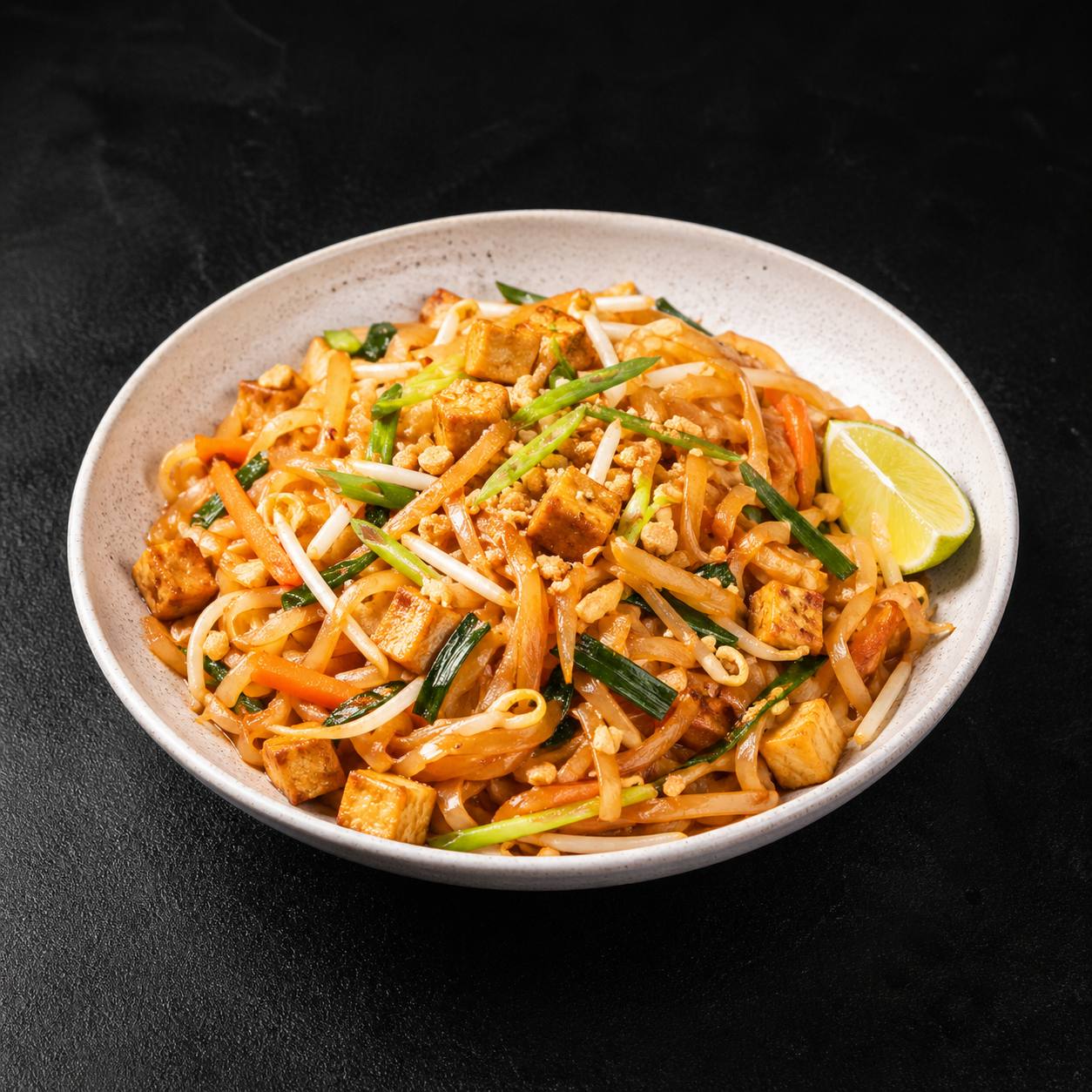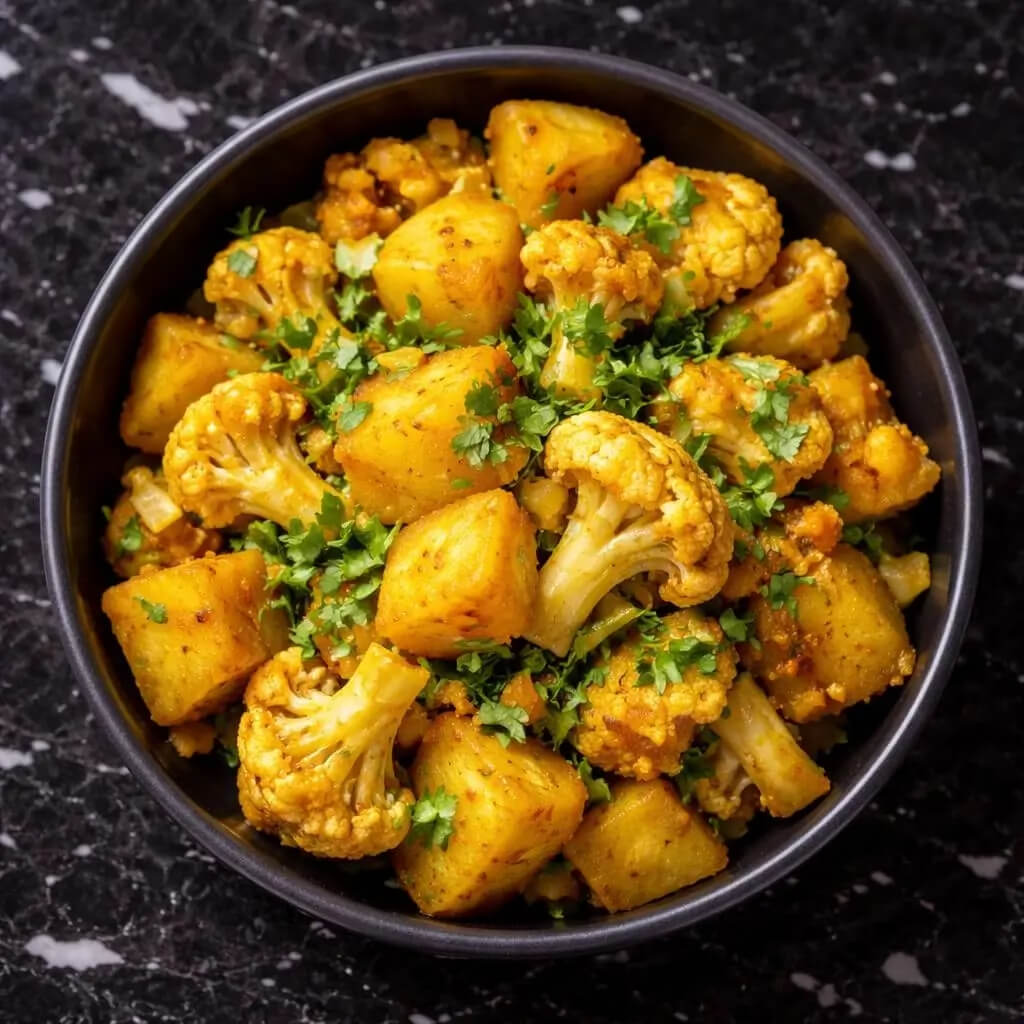
Singapore has been drawing food lovers from around the globe for years. For those who don’t eat meat, it’s a particularly special place. Not because there’s a separate menu waiting everywhere, but because vegetarian cuisine has become so deeply woven into daily life that you often only need a few simple rules to eat well and affordably. Influences from Buddhism, Hinduism, and the local food-tech scene have made meat-free dishes completely normal. Even though the air might smell of shrimp paste and roast pork at first, knowing where to look opens up a whole parallel plant-based world.
Many travelers worry that vegetarian eating in Asia means nothing but plain rice and dry tofu. Singapore proves otherwise. From rich coconut-milk soups to crispy flatbreads dipped in spicy curry, the choices are genuinely plentiful. I built this guide so you don’t have to scroll through endless forums and Facebook groups. Inside you’ll find exactly where to get solid meat-free street food, how to tell a Buddhist dish from a vegan one, and why Fortune Centre on Middle Road should be on your map.
Let’s start with the basics – because Singapore’s vegetarian cuisine is a mix of old traditions and new ideas, and there’s something here for every budget and taste.
The Singapore Vegetarian Phenomenon – Why It Works
The first time I visited Singapore, I was surprised by how easy meat-free eating actually was. It wasn’t just a couple of “vege” spots – nearly every hawker centre had at least one stall serving a proper, filling plant-based meal. The reason is simple: roughly a third of the population is Buddhist, and many follow a vegetarian diet on specific lunar calendar days. Add a large Hindu community where meatless food is everyday practice, and plant-based dishes stop being an “alternative” and become a regular part of the menu.
Vegetarian cuisine here has developed along two tracks. The first is religious tradition – Buddhist restaurants that cut out not only meat and fish but also onions, garlic, leeks, and chives (the five pungent vegetables). Their menus focus on mushrooms, tofu, wheat gluten, and root vegetables. The second track is modern food tech and Western trends. As a global financial hub, Singapore quickly adopted plant-based meat alternatives. Today you can eat vegetarian for five dollars at a hawker centre or spend more at a Michelin-recognized restaurant.
In short, being vegetarian in Singapore is straightforward, no matter your budget. You just need to know the right spots.
Where to Find Plant-Based Food – Hawker Centres and Beyond. Vegetarian Cuisine of Singapore
The question everyone asks before the trip is: what do you actually eat in Singapore on a vegetarian diet outside the hotel breakfast? The answer is straightforward – the same dishes as everyone else, just without animal products. The best place for real meat-free street food is the hawker centres.
These are big halls filled with dozens of stalls and open from early morning until late at night. Contrary to what you might expect, the smell of roast duck isn’t the only thing in the air.
Look for stalls marked “Vegetarian,” “Mixed Vegetable Rice,” or “Cai Fan.” It’s self-service: grab a plate of rice or noodles and add whatever you want from the big trays. Typical choices include braised shiitake mushrooms, fried tofu, stir-fried greens, lentil curry, and more. The strongest options are in Chinese and Indian neighbourhoods. Maxwell Food Centre in Chinatown has several plant-based stalls, while Tekka Centre in Little India is great for thali and dosa.
If you want more than a quick meal, head to less obvious spots. Fortune Centre on Middle Road looks like an ordinary office building from the outside, but inside it holds over a dozen vegetarian eateries. You’ll find both classic local flavours and modern twists on Peranakan or Japanese cuisine. Many of these places have been run by the same families for generations and give you the real everyday pulse of plant-based eating in Singapore.
Three Dishes You Can’t Leave Singapore Without Trying
Let’s get concrete – what should you order to taste the city without breaking your diet? Here are three dishes that define the local plant-based scene and still impress even hardcore meat-eaters.
Plant-Based Laksa – Creamy and Aromatic
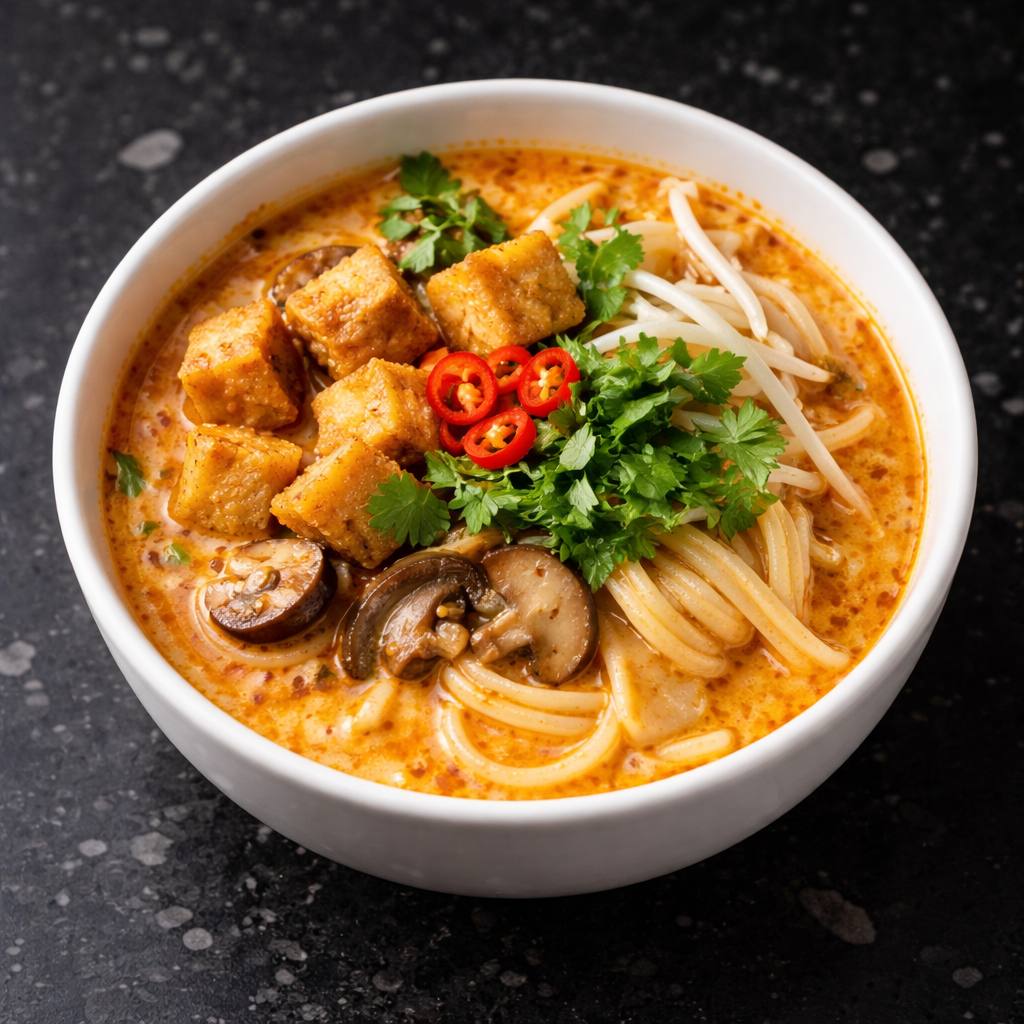
Laksa is a rich coconut-milk soup with a spicy rempah paste. The classic version is packed with shrimp and belacan. The plant-based take swaps those for a deep broth of kombu and dried shiitake mushrooms that delivers real umami. Lemongrass, galangal, turmeric, and chili round it out so well you don’t miss anything.
For vegan, just confirm there’s no egg. Look for stalls that clearly say “Vegetarian Laksa” – you’ll find them around Bugis and inside Fortune Centre. Rice noodles, fried tofu puffs, bamboo shoots, and fresh coriander make a bowl that keeps you full for hours.
Hainanese Veggie Chicken Rice – Deception on a Plate
Hainanese chicken rice is Singapore’s iconic dish: rice cooked in chicken fat, tender meat, and three sauces. For vegetarians it sounds impossible, but local cooks have it figured out. The rice is scented with pandan, ginger, and garlic and cooked in vegetable oil – no animal fat, yet the aroma is spot on. Instead of chicken you get slices of king oyster mushroom or seitan braised in soy sauce with shiitake. The texture is surprisingly close to the real thing, and I usually end up ordering seconds.
Roti Prata with Curry – A Champion’s Breakfast
Roti Prata are crispy layered flatbreads fried on a hot griddle and served with a small bowl of curry. The vegetarian curry is usually made with chickpeas, potatoes, and lentils. The dish has Indian roots and has become a Singapore street-food staple. The best versions are in Little India – just order “Roti Prata kosong, vegetarian curry.” It’s the perfect fuel before a full day of exploring.
Food Tech and Plant-Based Meat – Why Singapore Is a Step Ahead
Singapore never stands still. It was the first country in the world to approve cell-cultured meat back in 2020. Today plant-based substitutes are everywhere. On the streets, in hawker centres, and in restaurants you’ll see more and more dishes made with TiNDLE – a plant-based chicken that actually mimics the taste and bite of the real thing.
That constant innovation keeps vegetarian cuisine moving forward. You no longer have to settle for the rubbery gluten of twenty years ago. Order satay made with TiNDLE, a Beyond Meat burger with local spices, or fried noodles with plant-based chicken. Spots like Herbivore and Love Handle show that plant-based food can be genuinely delicious without any compromises.
How Not to Get Fooled – Labels and Hidden Ingredients
The biggest hurdle isn’t finding options – it’s spotting hidden animal ingredients. Belacan shrimp paste, fish sauce, and dried shrimp can end up in dishes that look completely vegetarian.
Learn the labels. “Pure Vegetarian” or “Buddhist” means zero meat, fish, seafood, and none of the five pungent vegetables. That’s the safest choice (though eggs can still appear, so always ask). Plain “Vegetarian” in Chinese places can be tricky because some cooks don’t count seafood as meat. The safe phrase is: “No meat, no fish, no seafood, no oyster sauce.” In Indian restaurants look for a green square with a dot inside – that’s vegetarian (with dairy). A red square means meat.
If you’re vegan, also ask about eggs and dairy, especially in Hokkien Mee or curries. These few sentences make eating here far less stressful.
What It Costs – From Street Stalls to Michelin-Recognized Restaurants. Vegetarian Cuisine of Singapore
Singapore has a reputation for being expensive, but food is the big exception. At a hawker centre a plate of rice with three toppings and a drink costs 3-5 SGD. A full bowl of vegetarian laksa or Hainanese Veggie Chicken Rice runs 6-8 SGD – prices similar to a budget meal back home.
For something more upscale, head to recognized places. Whole Earth (Bib Gourmand Michelin) serves Peranakan dishes for 25-40 SGD per person. A dinner at a higher-end vegan restaurant might run 80-150 SGD, which is still reasonable by Singapore standards.
Where Exactly to Eat – Tried-and-Tested Addresses and Tips
Instead of a long list, here are the spots that actually deliver. Each one serves high-quality plant-based food.
- Fortune Centre (190 Middle Road) – A real vegetarian hub in Bugis. Go to Herbivore for Japanese vegan sushi and ramen, or try stalls like Tracy Juice Culture and Su Shi Piao Xiang. Most are open 11:00 AM to 9:00 PM.
- Little India (Serangoon Road and nearby) – Komala Vilas for thali on a banana leaf (8-12 SGD) and Ananda Bhavan for idli, vada, and dosa at breakfast.
- Maxwell Food Centre (Chinatown) – Look for stalls with a “Vegetarian” sign. Right next to the famous Tian Tian chicken rice you’ll find several solid plant-based counters.
- Geylang Serai Market – Malay neighbourhood where plant-based food gets a spicy kick. Try the vegan nasi lemak and king oyster mushroom stew.
Quick language cheat sheet: “Vegetarian, no meat, no fish, no egg” opens a lot of doors. “Pure Veg” means you’re in the right place. In Buddhist spots don’t be surprised by the lack of garlic – it’s done on purpose.
While Singapore stands as a premier destination for plant-based travelers in Southeast Asia, the evolution of meat-free dining is a global trend worth exploring. For a broader perspective on how traditional Middle Eastern flavors cater to modern diets, see this practical guide to vegetarian cuisine in Saudi Arabia.
FAQ – Questions Vegetarians Really Ask Before Traveling
Is it easy to be a vegetarian in Singapore?
Yes. Buddhist and Hindu traditions plus food-tech mean every hawker centre has at least one good plant-based stall, and the city centre has even more.
What do people eat in Singapore on a vegetarian diet?
Rice, noodles, tofu, mushrooms, and vegetables in endless combinations. The most popular orders are vegetarian laksa, Hainanese Veggie Chicken Rice, Roti Prata with curry, and meat-free char kway teow.
Where are the best hawker centres for vegetarians?
Maxwell, Tekka Centre in Little India, Old Airport Road, and Chinatown Complex. Each has at least one stall marked “Vegetarian” or “Cai Fan.”
Is Singaporean cuisine gluten-free?
Not automatically. Soy sauce contains wheat and many dishes share frying oil. If you have celiac disease, ask for tamari and separate oil. Rice- and chickpea-based dishes are naturally gluten-free.
How do I tell the difference between a vegan and a vegetarian dish in Singapore?
In Chinese spots look for “Pure Vegetarian” and ask about eggs. In Indian spots a green square with a dot means vegetarian (with dairy). For vegan say “No dairy, no ghee, no egg.”
Is street food in Singapore safe for vegetarians?
Yes, as long as you stick to basic hygiene. The government enforces high standards, so the risk is low. Always double-check ingredients with the vendor.
Bibliography
In preparing this guide I used years of travel notes plus the following industry sources:
- Singapore Tourism Board – official data on hawker centres and local cuisine.
- Michelin Guide Singapore – list of recognized restaurants.
- The Straits Times – articles on food-tech trends and plant-based alternatives.
- Lonely Planet Singapore – guides to neighbourhoods and food culture.
- CNA Luxury – reports on fine dining and gastronomic innovations.
- HappyCow – database of vegetarian and vegan eateries in Singapore.
- Veggie Makan – local guide to plant-based hawker stalls.
Legal and medical disclaimer: The content of this article is for informational purposes only and does not constitute dietary or medical advice. Before traveling, individuals with food allergies or specific dietary requirements should consult a doctor or dietitian. The author and publisher assume no responsibility for any misunderstandings arising from cultural differences in food terminology. Always confirm ingredients directly with the vendor. Enjoy discovering Singapore safely and deliciously!