From Nomadic Traditions to Modern Plant-Based Inspirations
When we think of Saudi Arabia, the image of a table laden with vegetables and legumes rarely comes to mind first. Yet plant-based variations of Saudi dishes form an important, albeit secondary, element of the Arabian Peninsula’s culinary tradition. The Vegetarian Cuisine of Saudi Arabia. The desert climate and nomadic lifestyle necessitated reliance on durable, lightweight, and energy-dense products—criteria first met by dates, grains, dried fruits, and pulses. In many communities, especially among the Bedouins, the diet was largely based on plant products and dairy, with meat as an occasional festive luxury rather than an everyday staple. In the cities of the Hijaz region, however, access to meat was more regular. Therefore, when we speak of vegetarian dishes in Saudi cuisine today, we are not referring to a modern fad or a passing trend—we are returning to those layers of tradition that for decades remained in the shadow of meat specialties.
Table of Contents
The Saudi Vision 2030 program, although not explicitly aimed at promoting a plant-based diet, indirectly supports changes in eating habits. Investments in vertical farming, increased availability of fresh vegetables and fruits, and the country’s opening to tourism are bringing forgotten, typically plant-based recipes from the Hijaz region and Bedouin traditions back to light. Public health experts increasingly point to the need to reduce red meat consumption to combat lifestyle diseases. As a result, dishes that desert dwellers have eaten for generations as meal accompaniments are now becoming the main protagonists of the table. Local plant-based dishes in the Saudi style are no longer just an option for those who have given up meat—they are a conscious choice for people caring for the planet and their well-being. Vegetarian Saudi dishes are one of the most exciting culinary trends in the region today, and the question of what vegetarians eat in Riyadh is finding more and more delicious answers.
We must also not forget the influence of hospitality. In Saudi culture, refusing an offer of food borders on an affront, and the host always wants to give their best. Since not every guest eats meat and visits are frequent, every self-respecting homemaker had to have an arsenal of dishes that would delight everyone, regardless of diet. And it is here that traditional vegetarian dishes in the Saudi style shine. A silky-smooth hummus appears, khubz flatbread straight from the oven, fattoush salad with crunchy pieces of bread, or a steaming bowl of foul beans. This is the moment when even the most ardent carnivore forgets about the existence of lamb and mutton.
Middle Eastern cuisine without meat in its Saudi version can be absolutely spectacular.
Spices in Saudi Cuisine – Flavor and Properties. The Vegetarian Cuisine of Saudi Arabia
Let’s be honest—if we boiled a handful of chickpeas and poured plain water over them, no one would sing the praises of Saudi cuisine in its plant-based version. The magic happens when the spices that form the flavor foundation of the Arabian Peninsula enter the pot: cardamom, dried black lime (lumi), and—as a luxurious addition not found in every blend—saffron. These ingredients can extract such depth of aroma from the simplest vegetable or grain that the dish immediately gains character and soul. The scent of roasted cardamom wafting over gahwa coffee is the first signal that we are guests of someone who respects tradition. Meanwhile, threads of saffron added to rice in the plant-based version of saleeg or kabsa give the dish not only a divine color but also that distinctive, slightly metallic, luxurious aftertaste.
The real star, however, is lumi. These sun-dried limes, when tossed into a simmering pot, explode with citrus freshness and a deep, smoky note. It is lumi that gives meatless Saudi dishes that characteristic acidic depth, which deepens the flavor and adds pronounced sourness. In traditional vegetarian recipes, spices do not mask flavor—they create it. In the baharat blend (black pepper, cumin, coriander, cinnamon, cloves)—whose composition may vary slightly by region—each ingredient plays its role, forming a symphony that serves as the backdrop for humble lentils or rice. It is no wonder that Arab cooks are said to be alchemists of flavor.
Interestingly, many of these spices also have scientifically proven digestive benefits—invaluable in a diet rich in legumes. Cumin helps prevent bloating, cardamom soothes the stomach, and ginger warms. It is no coincidence that the diet we now call the plant-based side of Saudi cuisine has been intuitively balanced for centuries. Knowledge of spices was passed from mother to daughter, and every household had its own secret recipe for the perfect blend. These details are why Saudi cuisine for vegetarians and vegans is so satisfying—here, no one feels shortchanged by the absence of meat because the flavor is simply complete.
The Role of Dates in Traditional Saudi Arabian Cuisine
It is hard to imagine any discussion of vegetarian dishes of Saudi Arabia without paying homage to the date. In the collective consciousness of the Western world, a date is often just a sweet, sticky snack with coffee or a sugar substitute. In Saudi Arabia, the date is fuel. It is one of the most calorie-dense and durable sources of energy, allowing caravans to traverse the endless deserts of the Rub’ al Khali without needing to carry heavy supplies. And here we get to the heart of the matter—the use of dates in savory cuisine. In some regional dishes, Saudi cuisine in its plant-based version masterfully utilizes not only the fruit but, above all, the syrup (dibs) and paste derived from it.
Dibs is date essence, a thick, dark liquid with a flavor reminiscent of molasses, caramel, and a hint of smoke. Saudis add it to chickpea or lentil stews, drizzle it over fried halloumi cheese, or use it in dressings with tahini—creating an incredible, sweet-nutty sauce for salads. This sweetness is not cloying—it balances the heat of chili and the tartness of lemon. Similarly, date paste (ajwa paste) often replaces sugar in home baking and gluten-free desserts, a true blessing for those seeking gluten-free Saudi dishes. In vegetarian Saudi cooking, the date becomes a full-fledged lunch ingredient, not just dessert.
In an era of seeking natural sugar alternatives and healthy energy, Saudi recipes based on dates are a goldmine of inspiration.
Energy balls made from dates, nuts, and cardamom are a perfect example of vegetarian food in Saudi Arabia on the go. It is food that not only satisfies hunger but also tells a story of survival in a harsh climate.
5 Plant-Based Dishes Inspired by Saudi Cuisine (with Recipes). The Vegetarian Cuisine of Saudi Arabia
Let’s get down to specifics, because while we could talk about spices and history for hours, the greatest joy comes from eating. Below you will find five proposals based on the plant-based side of Saudi cuisine—dishes that are either traditionally vegetarian or have gained immense popularity in their plant-based adaptations. Each of these dishes has its own character, history, and, most importantly, brilliant flavor. With each recipe, I’ve allowed myself a small “behind-the-scenes” comment, as if I were standing next to you in the kitchen. Saudi vegetarian street food 2026 is exactly these flavors—authentic yet open to modern interpretations.
I. Saleeg – Creamy Hijazi “Risotto” in a Plant-Based Adaptation
Saleeg is a dish that surprises anyone expecting fluffy rice. It is a creamy, white oasis traditionally cooked with milk and chicken broth. In this plant-based adaptation, we prepare a vegetarian dish in the Saudi style, replacing the broth with a rich vegetable stock and the milk with almond milk. This is a modern interpretation that retains the spirit of the original while meeting the growing demand for plant-based options. The result? A consistency so smooth you could eat it endlessly.
Recipe: You need 1 cup of short-grain rice (preferably Egyptian or risotto rice). In a pot, heat a tablespoon of olive oil, add the rice, and sauté briefly until translucent. Pour in 2 cups of hot vegetable broth and 1 cup of unsweetened almond milk. Add a pinch of salt and, optionally, a pinch of cardamom (for an authentic Middle Eastern aroma). Cook over low heat, stirring frequently, for about 30-40 minutes, until the rice breaks down and thickens. A little tip: if the rice absorbs the liquid and is still firm, gradually add more hot water. Don’t worry if it turns into a porridge—that’s the point! Serve drizzled with hot clarified butter or creamy coconut oil. A frequently served accompaniment is the spicy Duggus sauce (blended tomatoes with chili pepper, garlic, and cilantro). This contrast of creamy rice and spicy sauce is why you’ll fall in love with vegetarian versions of Saudi classics.
II. Foul Medames – A Popular Middle Eastern Breakfast
There is hardly a more democratic and filling dish in the entire Arab world than Foul. These are cooked fava beans, popular throughout the Middle East, including Saudi Arabia. In Saudi plant-based cuisine, it rises to the rank of a work of art. The key is long, slow simmering. Forget about canned beans reheated in the microwave—this is meant to be a ritual.
Recipe: Soak 500 g of dried fava beans overnight. The next day, drain, cover with fresh water, and cook over very low heat for 6-8 hours (or shorter using a pressure cooker). I know, it’s a long time, but you can use a slow cooker and set it overnight—you’ll wake up to a house smelling better than the best bakery. Towards the end of cooking, add 3 cloves of pressed garlic, the juice of 1 lemon, and a generous pinch of cumin. When the beans are butter-soft, transfer them to a bowl. Now comes a trick straight from the streets of Jeddah (used occasionally, mainly in street food—often skipped at home): in a separate small bowl, heat a generous amount of good olive oil. Take a piece of dry charcoal, heat it over the burner until red-hot, and carefully drop it into the bowl of oil. Immediately cover so the smoke infuses the fat. After a minute, remove the charcoal and drizzle this smoky oil over the beans. Top with a handful of chopped parsley and diced tomatoes.
This is the essence of meatless Saudi food—simple ingredients, but technique from another planet.
III. Jarish (Jareesh) with Caramelized Onions – A Modern Adaptation
Jarish is a dish made from cracked wheat, traditionally prepared from a local variety similar to coarse bulgur, with the consistency of a thick, hearty porridge. It is one of those traditional Saudi dishes that were underappreciated for years and are now returning as an example of healthy comfort food. The traditional version often includes meat or meat broth—we focus on a simplified, plant-based adaptation that preserves the character of the original.
Recipe: Rinse 1 cup of jarish (or coarse cracked wheat if jarish is unavailable). In a pot, sauté 1 finely chopped onion in olive oil. Add the grain and stir. Pour in 2 cups of hot water and cook over low heat, covered, until the grain absorbs the liquid (about 20 minutes). Then, if you want a creamier consistency, you can add 3 tablespoons of Greek yogurt (or coconut-based vegan labneh) mixed with a teaspoon of flour to prevent curdling—this is one variation, popular but not mandatory. Add a pinch of kammun (cumin) and black pepper. Simmer for another 15 minutes. Meanwhile, prepare the kishnah: in a pan, melt 2 tablespoons of butter, add 2 onions sliced into thin wedges, and fry over low heat until golden and sweet. In the last minute, add the grated zest and juice of half a dried lime (lumi)—if unavailable, use dried lime or a bit of lemon juice with lime zest. Serve the Jarish with a generous portion of caramelized onions on top. This dish is the quintessence of plant-based Saudi cuisine—earthy, warming, and surprisingly refined.
IV. Mutabbaq with Vegetables – A Crunchy Flavor Envelope
Walking through the streets of Jeddah or Riyadh in the evening, you will undoubtedly come across Mutabbaq vendors. This is a pastry made from incredibly thin dough, fried on a large, flat griddle. The traditional version contains egg and often meat. We will prepare a vegetarian version stuffed with leeks and herbs, which perfectly fits the category of what vegetarians eat in Saudi Arabia—it is delicious, cheap, and available everywhere.
Recipe: The easiest way is to use ready-made phyllo dough. Lay out 4 sheets, brushing each lightly with melted butter. Place the filling in the center: 1 large leek (white and light green parts) finely chopped and sautéed in olive oil until soft, 2 eggs (for vegans: a modern adaptation with 150 g of tofu crumbled with black salt Kala Namak, or simply more vegetables and spices—both versions are popular), a handful of chopped parsley and cilantro, salt, and a generous pinch of black pepper. Fold the dough into a flat “envelope.” Fry on a dry non-stick pan or with a little fat until the dough is golden and crispy on both sides. Practical note: do not overdo the amount of filling, or the dough will burst during frying and the whole mess will spill out onto the pan. Serve immediately, drizzled with lemon juice and a piece of fresh green chili pepper on the side to bite into. This dish proves that vegetarian food in Saudi Arabia can be both filling and light.
V. Simple Homemade Millet and Date Dessert – Sweet Harmony of the Hijaz Region
Finally, something for a sweet finish. This combination of millet, dates, and honey serves as both breakfast and a light dessert in plant-based Saudi cuisine. This dessert has no established name of its own—it is simply a delicious, simple homemade dessert without a formal name, using local ingredients.
Recipe: Cook 1 cup of millet groats until fluffy (2 cups of water). Let cool. Add a handful of chopped fresh dates (preferably Medjool or Sukkari variety), 2 tablespoons of liquid honey (or date dibs), and 2 tablespoons of sesame seeds toasted in a dry pan.
The secret ingredient that elevates this dish to the next level is about 2 cm of fresh ginger grated on a fine grater. This sharp, spicy accent brilliantly cuts through the sweetness of the dates and honey, balancing the whole. Mix everything gently. You can serve it immediately or chilled—it tastes equally delicious cold. This is the perfect answer to the question what do vegetarians in Saudi Arabia eat for dessert—the answer is: they eat healthy, tasty, and local.
The Gahwa Ritual: Coffee Ceremony as the Etiquette of the Future
A visit to a Saudi home without offering the guest Gahwa coffee is simply impossible. It is a ritual that endures and will endure regardless of culinary fashions. And for us, proponents of plant-based Middle Eastern dishes, it is the perfect end to a meal. Arabic coffee is completely different from what we drink daily in a hurry on the way to work. It is light, almost translucent, brewed from lightly roasted beans and boiled with a huge amount of freshly ground cardamom. Sometimes a touch of saffron or cloves is added. It is drunk without milk or sugar—its natural bitterness and strong cardamom aroma are meant to stimulate digestion and cleanse the palate.
From the perspective of a vegetarian diet in Saudi Arabia, Gahwa is indispensable. After a hearty meal rich in legumes and grains, this infusion acts as a natural digestif, reducing the feeling of heaviness. It is served in tiny handleless cups (finjan) and poured from an elegant dallah pot. The host pours only a little, maybe a sip or two. When the guest returns the empty cup, shaking it gently to signal they have had enough—the ceremony ends. It is a beautiful gesture of respect and mindfulness, reminding us in today’s hectic world that eating and drinking are more than just satisfying hunger. It is part of the food culture in Riyadh and Jeddah, increasingly appreciated by tourists seeking authentic experiences within the broader Middle Eastern cuisine.
Riyadh Street Food: From Falafel to Innovative Concepts
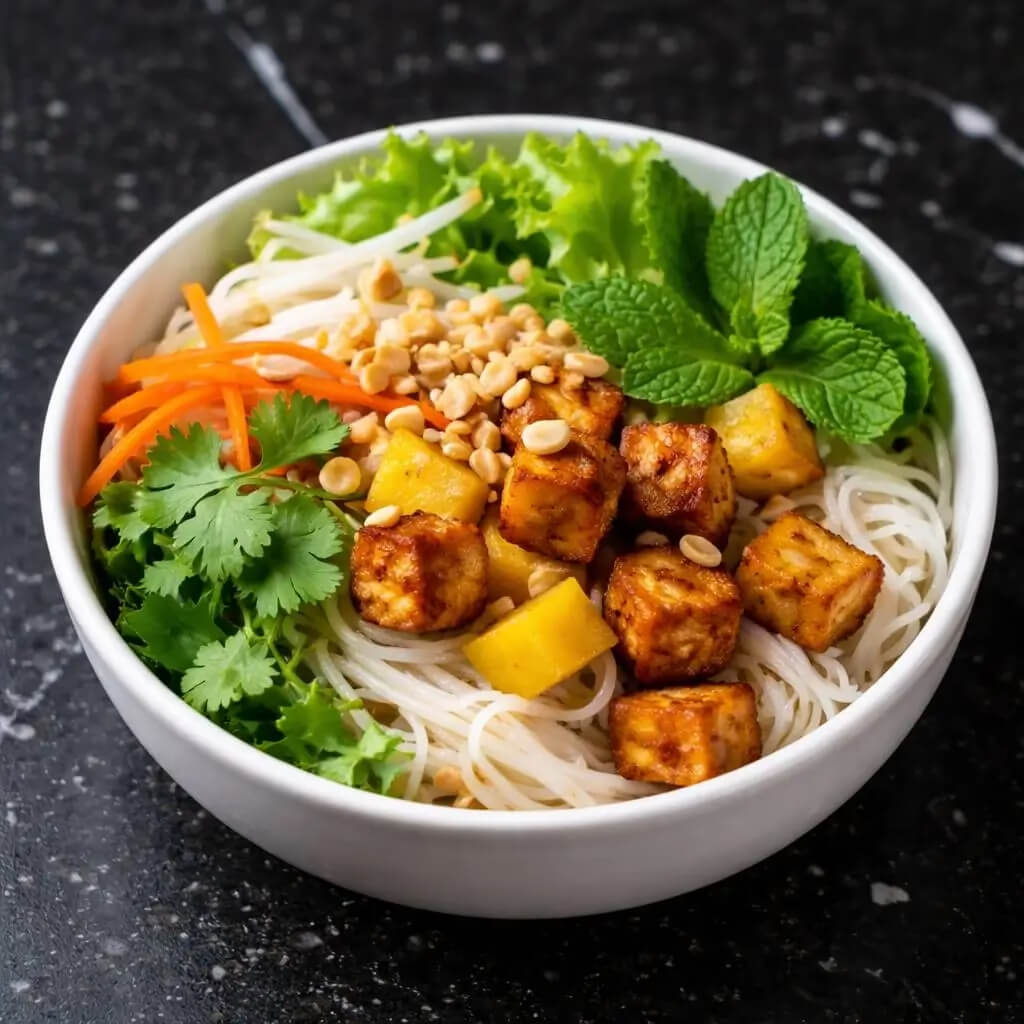
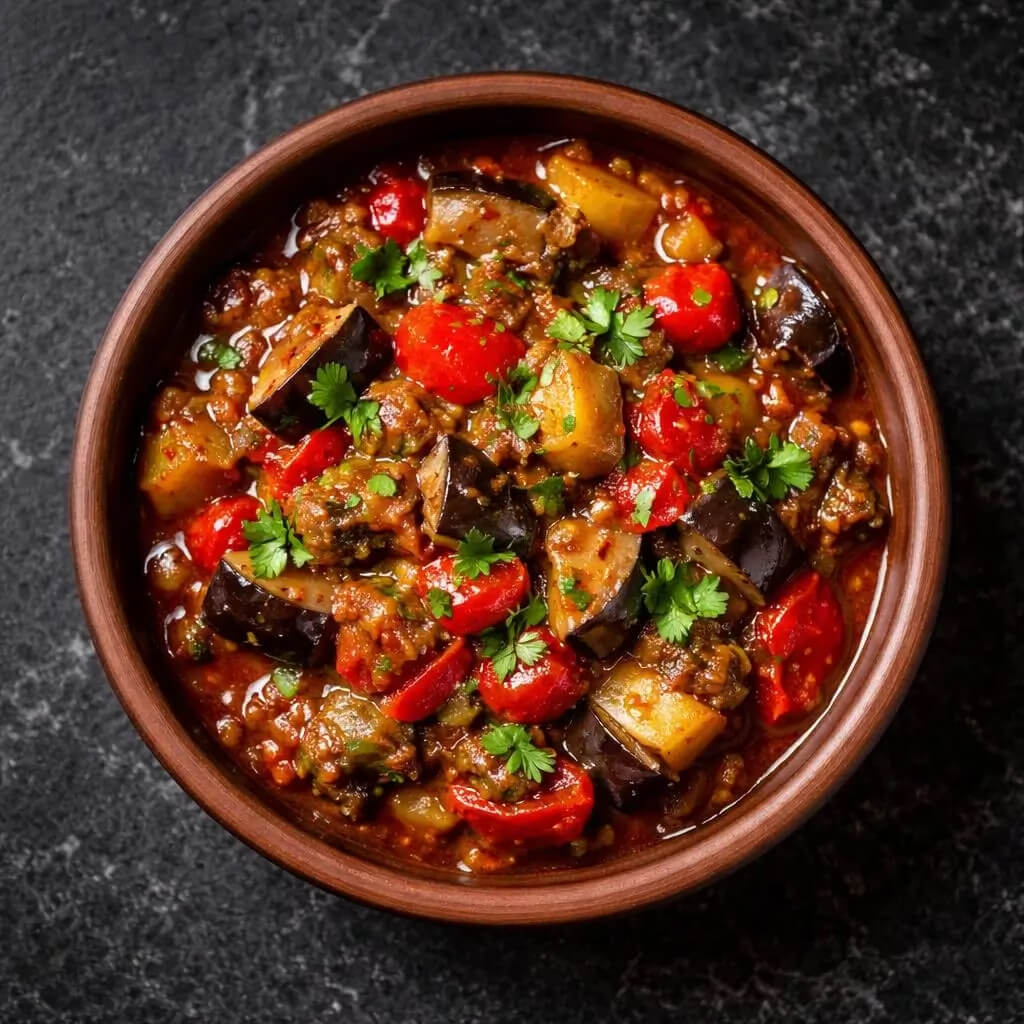
Just a decade ago, street food in Saudi Arabia was mainly associated with spit-roasted lamb and chicken. Today, the culinary landscape of Riyadh and Jeddah is undergoing a true revolution, and Saudi vegetarian street food is one of the visible trends of this change. A young generation of Saudi chefs, often educated abroad, returns home with a mission to reinterpret local flavors. Food trucks and small bars are appearing on the streets, where the classic falafel is no longer just a dry ball in a bun but becomes the star of exquisite bowls with pickled turnips, roasted eggplant, and tahini sauce.
Vegan burgers are gaining popularity, where the patty is made not only from chickpeas but also from local lentils and baharat spice, giving it a deep, oriental aroma. Vegetarian versions of Sambousek are also emerging—small deep-fried dumplings filled with a mixture of potatoes, peas, and hot peppers. This is an ideal snack that answers the question is it easy to be a vegetarian in Saudi Arabia. The answer is: it is getting easier, especially in Riyadh, Jeddah, and Dammam. The authorities support the development of gastronomy and tourism, which indirectly translates into a wider variety of offerings. Restaurants specializing in vegetarian dishes of Saudi Arabia are springing up like mushrooms, and their owners are vying to find ways to combine tradition with modernity. The result? Riyadh is slowly becoming a friendly place for herbivores, surprising even the most skeptical travelers.
Gluten-Free Saudi Cuisine – What to Know?
For those on a gluten-free diet, a trip to Saudi Arabia does not have to mean culinary deprivation. Contrary to appearances, many traditional dishes are based on naturally gluten-free ingredients.
Meatless Saudi cuisine offers a wide range of safe options, especially if we focus on dishes based on rice, millet, legumes, and dates.
The king of the gluten-free table is rice. Both Saleeg in its plant-based version and vegetable Kabsa (prepared without MSG-containing broth) are 100% safe. Similarly, Foul Medames—cooked fava beans—are gluten-free, provided we serve them without the traditional khubz bread. Instead of wheat bread, one can opt for rice flour flatbreads or simply enjoy the beans with vegetables. An excellent gluten-free snack is also dates in any form—from fresh fruit to energy balls with nuts and cardamom.
However, caution should be exercised with dishes such as Jarish (cracked wheat is pure gluten) or Mutabbaq (phyllo dough contains wheat flour). Similarly, popular Sambousek and Falafel—although the chickpea patties themselves are gluten-free—are often coated in wheat flour or fried in the same oil as breaded products. It is always worth asking about the ingredients and preparation method. For those on a gluten-free diet in Saudi Arabia, communication is key—awareness of this requirement in local restaurants is growing, especially in large cities and international hotel chains.
The Ecological Dimension of Plant-Based Saudi Cuisine
In a country where water is more precious than oil, dietary choices have geopolitical significance. Saudi Arabia has been struggling with a shortage of fresh water and a huge dependence on food imports for years. It is increasingly pointed out that plant-based variations of Saudi dishes can play a role in the sustainable development of the region. Cattle farming in desert conditions is extremely costly—both financially and environmentally. Producing a kilogram of beef consumes many times more water than growing a kilogram of lentils or chickpeas. That is why the government is heavily investing in vertical farming and hydroponics. Gigantic farms are springing up on the outskirts of Riyadh, where lettuce, tomatoes, and herbs are grown under controlled conditions, using up to several dozen percent less water than traditional agriculture.
Thanks to this, vegetarian dishes in Saudi cuisine have the chance to be not only tasty but also increasingly local. Fresh cilantro, mint, and parsley—key ingredients in many salads and sauces—arrive on tables straight from these modern farms. This is changing the face of Saudi food without meat or dairy. Hospitality, so important in Arab culture, is beginning to go hand in hand with responsibility for the planet. By choosing meatless Saudi dishes, we support the sustainable development of one of the driest regions in the world. It is a beautiful awareness—that by eating delicious Foul or Mutabbaq, we are adding a small brick to saving the water resources of the Arabian Peninsula.
While Saudi Arabia offers a masterclass in desert-born culinary minimalism, the regional narrative of plant-based excellence continues beyond its borders. For a comprehensive look at the next frontier of Eastern flavors, explore The Green Heart of the Orient: A Complete Guide to Vegetarian Cuisine of Pakistan, where heritage ingredients meet contemporary nutritional standards.
Why Saudi Arabia Attracts Food Lovers?
For years, the culinary map of the world bypassed Saudi Arabia, treating it as a culinary desert dominated by fast food and fatty meats. But times are changing. Vegetarian dishes in Saudi cuisine are the best proof of this. The country, opening up to tourism, surprises with the authenticity of flavors that few in the West have heard of. While the whole world raves about hummus and falafel from Lebanon or Israel, Saudi Arabia has plant-based versions of Saleeg, Jarish, and date-based desserts up its sleeve—dishes that are just as tasty but much less known. It is this undiscovered nature that is a magnet for true gourmets.
Additionally, infrastructure development and the Saudi Vision 2030 program make traveling around the country more convenient, and restaurant menus increasingly rich in vegetarian food options in Saudi Arabia. You no longer have to worry about the question what to eat in Saudi Arabia on a vegetarian diet, because the answer is a whole array of delicious dishes. In practice, vegetarians in Saudi Arabia mainly eat dishes such as Foul Medames for breakfast, vegetable Kabsa or Saleeg (in an adapted version) for lunch, and street snacks like Mutabbaq or Falafel. From traditional breakfasts in local tamees (bakeries) to fine dining in Riyadh serving contemporary interpretations of Bedouin recipes—everyone will find something for themselves. Saudi Arabia proves that it is possible to be faithful to ancestral traditions while looking to the future with care for health and the environment. This is precisely why this destination will soon become a must-see on the culinary map of the world for anyone seeking more than just another photo for social media.
FAQ – Frequently Asked Questions about Vegetarian Cuisine in Saudi Arabia
Is it easy to be a vegetarian in Saudi Arabia?
It is getting easier, especially in large cities like Riyadh, Jeddah, and Dammam. In these metropolises, you will easily find restaurants with plant-based options, and traditional eateries always offer dishes such as Foul Medames, Falafel, or Hummus. Awareness of plant-based diets is growing with the influx of tourists and expats, translating into an increasingly rich offering.
What are the most popular vegetarian dishes in Saudi Arabia?
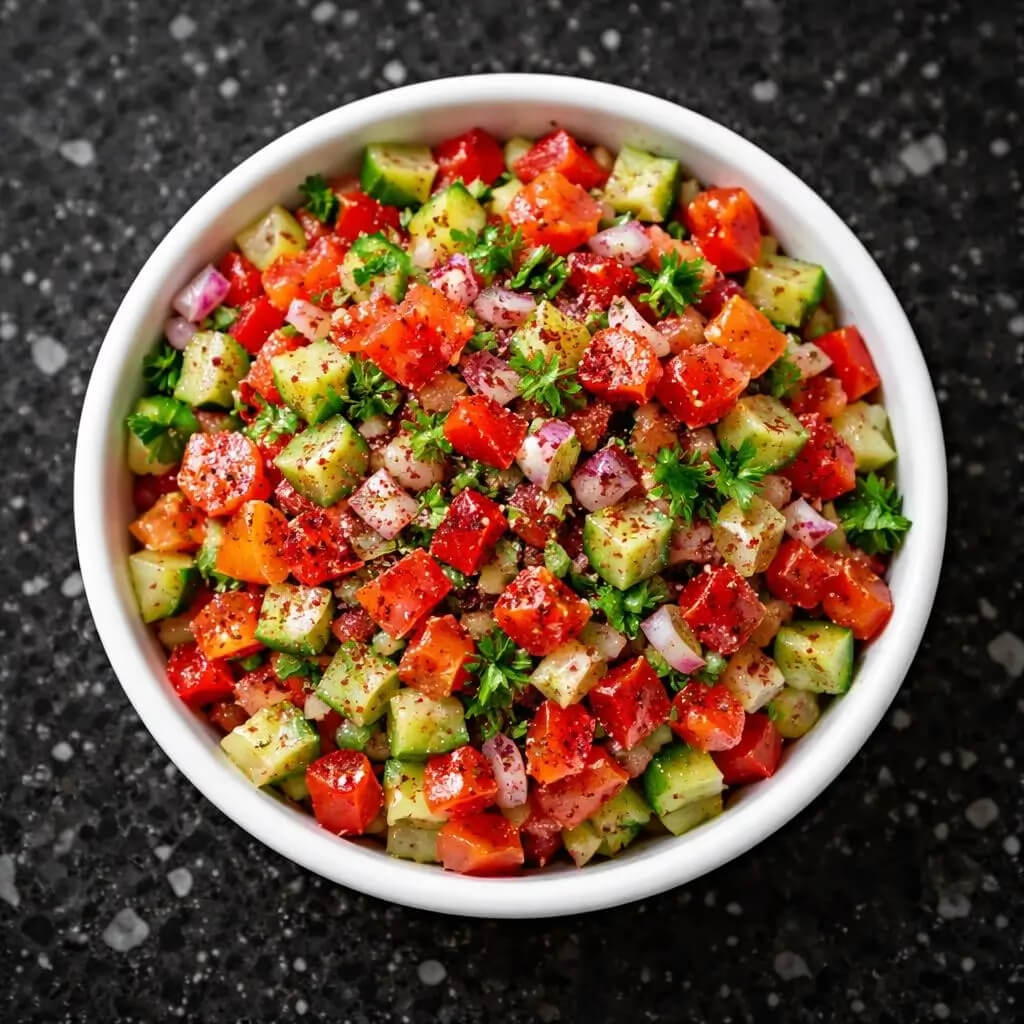
The king of breakfasts is undoubtedly Foul Medames, or stewed fava beans. For lunch, residents often choose a vegetable version of Kabsa, creamy Saleeg (in a plant-based adaptation), or hearty Jarish. In the street food scene, Falafel in pita and crispy Mutabbaq with leek filling reign supreme. This is accompanied by a whole range of salads, such as Tabbouleh or Fattoush.
Is Saudi vegetarian cuisine safe for people on a gluten-free diet?
It depends on the specific dish. Many traditional dishes are based on wheat—this applies especially to couscous, bulgur, and khubz bread. However, there are plenty of naturally gluten-free options: all rice-based dishes (like Saleeg or Kabsa), millet (the date dessert), as well as legumes and dates. It is always worth asking for details, as wheat flour is sometimes used to thicken sauces.
Is Gahwa coffee served with milk?
Absolutely not. Traditional Saudi Gahwa coffee is a light, clear brew of lightly roasted Arabica beans with a mandatory addition of cardamom. It is drunk without milk or sugar, from tiny finjan cups. Dates are most often served with the coffee, their sweetness balancing the slight bitterness of the brew.
What impact does the Saudi Vision 2030 program have on vegetarian cuisine?
Indirect, but significant. The government actively promotes a healthy lifestyle, which translates into greater nutritional awareness. At the same time, investments in vertical farming are increasing the availability of fresh vegetables at affordable prices. Additionally, tourism pressure has forced restaurateurs to expand their menus to include vegetarian and vegan options.
Where to find the best vegetarian street food in Riyadh?
The most reliable places can be found in older commercial districts, such as Al-Batha or the area around Souq Al-Zal. The small bakeries and bars there have been serving excellent Falafel and fresh Tamees bread for years. It is also worth following culinary events and new food halls, where young Saudi chefs experimenting with plant-based classics often appear.
Can Saleeg be made in a 100% plant-based version?
Of course. Simply replace the traditional chicken broth with a rich vegetable stock and cow’s milk with a plant-based drink (e.g., almond or oat).
The key is slow cooking and frequent stirring so the rice releases its starch and achieves its characteristic creamy consistency. The result is just as silky and pairs perfectly with spicy Duggus sauce.
What spices are a must-have in Saudi vegetarian cooking?
The absolute basics are cardamom (preferably freshly ground), dried black lime (lumi), and cumin. Without them, it is difficult to capture the spirit of Arabian Peninsula cuisine. Additionally, it is worth having baharat blend (pepper, coriander, cinnamon, cloves) and saffron for special occasions on hand. These spices can transform the simplest chickpeas or rice into a true feast.
Bibliography
- Salloum, H. (2013). The Arabian Nights Cookbook: From Lamb Kebabs to Baba Ghanouj, Delicious Homestyle Arabian Cooking. Tuttle Publishing.
- Riolo, A. (2007). The Mediterranean Diabetes Cookbook. American Diabetes Association.
- Helou, A. (2018). Feast: Food of the Islamic World. Ecco Press.
- Roden, C. (2000). The New Book of Middle Eastern Food. Knopf.
- Saudi Vision 2030 reports on sustainable agriculture and public health (www.vision2030.gov.sa).
- Own materials from study visits to the Hijaz region and interviews with local food producers in Riyadh and Jeddah.
- Articles published in Arab News and Saudi Gazette on trends in Saudi gastronomy.
Legal and Medical Disclaimer
Legal and Medical Disclaimer: The content contained in this article is for informational and educational purposes only. It does not constitute medical, dietary, or legal advice. Descriptions of traditional dishes and ingredients are based on historical and cultural sources. Before making any changes to your diet, especially in the case of food allergies (e.g., nuts, gluten, sesame), chronic diseases, or medication use, please consult a qualified physician or registered dietitian. The author and editorial staff are not responsible for any health consequences resulting from the use of the information contained in this article. All recipes and culinary suggestions should be followed while maintaining food hygiene and safety standards. Information regarding the availability of vegetarian dishes in Saudi Arabia may change depending on local regulations and the policies of individual catering establishments.