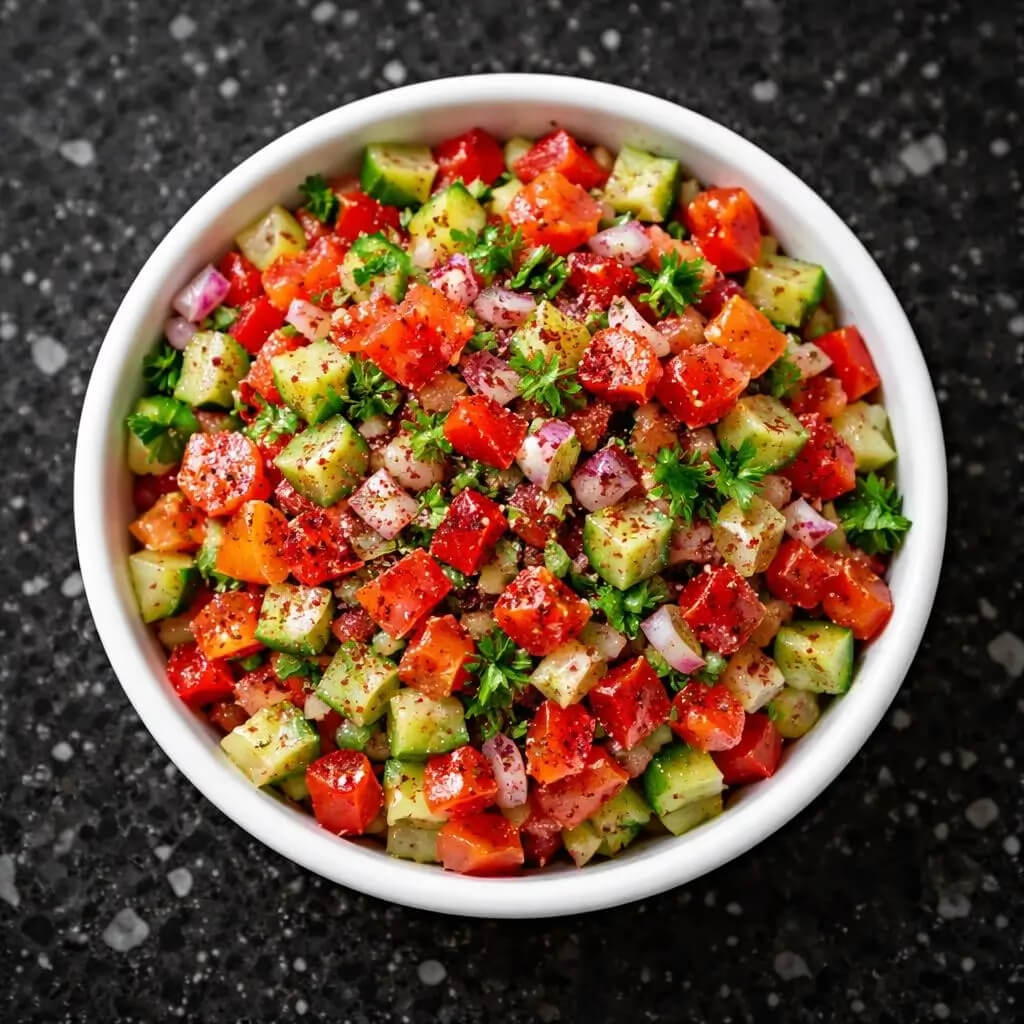
When we think of Pakistan, our imagination conjures up images of steaming platters of lamb, sizzling skewers of kebab, or the famous biryani brimming with succulent pieces of meat. It’s only natural—these dishes are an integral part of the culture there. But stopping at that stereotype would be a huge mistake. Because right next door, in the aromatic haze of spices, lies something that surprises even the most seasoned culinary travelers: a lesser-known, yet strongly present in the daily diet of many regions, vegetarian cuisine of Pakistan. This is no modern invention or fleeting trend. It is a collection of traditional recipes that have accompanied millions of Pakistanis for decades, drawing from the same well of spices and techniques as the meat dishes.
Jump to Section: The Vegetarian Phenomenon | The Magic of Tadka & Spices | Top 10 Dishes | Street Food | Bread as Foundation | Survival Guide | Pakistan at Home | Conclusions | FAQ | Bibliography | Disclaimer
Paradoxically, in a country where hospitality often manifests by serving a guest the best cut of mutton, Pakistani meatless dishes form the daily foundation of many people’s diets. For economic reasons—meat is expensive—and also religious ones (especially among the small but culturally influential Hindu and Sikh communities), plant-based ingredients reign supreme on the table. And trust me, these are not mere side dishes or salads. They are full-fledged, filling, and flavor-exploding dishes that make you forget the absence of meat. We are talking about a cuisine full of character, where the flavors of Pakistan without meat can delight even the most hardened carnivores.
Get ready for a journey through Pakistani cuisine for vegetarians. We will discover why Pakistan, despite its meaty reputation, has so much to offer those on a plant-based diet. We will learn the secret techniques of tempering spices, delve into the world of crunchy street food, and find out how to navigate this culinary paradise without compromising our principles. This won’t be a dry catalog of dishes—it will be a story about flavors you remember for years.
Beyond the Shadow of Meat: The Phenomenon of Vegetarian Flavors in Pakistan
For a large part of Pakistan’s population, meat is a luxury item, eaten on special occasions. The everyday reality is what grows in the home garden or is cheap at the local bazaar—seasonal vegetables, lentils, chickpeas, mung beans. It is these, properly spiced, that become a filling and nutritious main course. It’s not so much a choice as a necessity that has turned into a culinary art.
And finally, geography. The fertile plains of Punjab, known as the “breadbasket of Pakistan,” provide an abundance of wheat, basmati rice, and countless vegetables. It is in Punjab that the culture of food and hospitality reaches its zenith, and vegetarian feasts, like the famous Halwa Puri breakfast, are legendary. In contrast, in the province of Sindh, particularly in Karachi, we find more influence from Mughlai cuisine and a stronger emphasis on street food. In the mountainous northern regions, traditional dishes often rely on dried fruits, nuts, and local grains. This regional richness means that Pakistani cuisine for vegetarians and vegans is not a poor cousin of the meat cuisine. It is its equal counterpart, and for many gourmands, an even more interesting one. Because when meat leaves the plate, all attention focuses on what matters most in Pakistani cooking: the magic of spices.
The Magic of “Tadka” and the Secrets of Spices: Why It Tastes Different
Key Spices in Vegetarian Pakistani Cuisine
Of course, no Tadka is complete without the right components. The absolute queen is Garam Masala—a spice blend whose name literally means “hot spice.” Contrary to what it suggests, it’s not about heat in terms of pungency (that’s chili’s job), but rather that, according to Ayurvedic medicine, these spices “warm” the body. Every family has its own recipe for garam masala, but it most often includes: cardamom, cloves, cinnamon, cumin, coriander, nutmeg, and bay leaves. It is the foundation without which many dishes would lose their soul. Another ace up the sleeve is turmeric (haldi)—not only for its beautiful golden color and health properties, but for that specific, earthy flavor. And finally, Amchoor, which is dried mango powder. It is responsible for that subtle, fruity sourness that so wonderfully breaks the sweetness of stewed onions and the creaminess of dairy.
Understanding these basics—the Tadka technique and the Garam Masala/Turmeric/Amchoor triad—is key to understanding why this cuisine is so unique. It’s not just cooking; it’s alchemy.
The Golden Ten: Top 10 Vegetarian Dishes You Must Know
During my first trip to Lahore, exhausted after a long day, I stumbled into a small, family-run eatery. I pointed randomly at something that looked like a safe portion of vegetables in a thick sauce. I received a bowl of chanay—chickpeas in a sauce so fiercely spicy it literally brought tears to my eyes, yet so utterly brilliant I couldn’t stop eating. It was a revelation. From that moment on, Pakistani vegetarian cuisine became my obsession. It is a world of deep, smoky flavors, creamy textures, and masterful use of spices that dance on your tongue without needing a single gram of meat.
I’ve put together a list of ten absolute gems for you—dishes that everyone, whether a strict vegetarian or simply someone who loves good food, needs to know about. This is not a dry catalog. This is a record of my own culinary adventures, encounters with chefs, and evenings spent in roadside dhabas. Here is the golden ten, where every entry is its own delicious story.
1. Chana Masala (Lahori Cholay) – The Spicy Heart of Lahore
If there is a single dish that defines a morning in the heart of Pakistani Punjab, it is, without question, a plate of steaming Lahori Cholay. This is not your average chickpea dish. It’s a thick, almost creamy explosion of flavor, served obligatorily with a fluffy, deep-fried bread called bhatura or puri. It is spicy, slightly tangy, and possesses that incredible, earthy aroma that makes you forget the rest of the world exists.
The secret to this version, found on the street stalls of old Lahore, lies not just in the unique spice blend but, above all, in the abundance of black pepper and the method of preparation. The chickpeas are cooked long and slow until they are tender and velvety, and a portion of them is deliberately mashed to thicken the gravy to an almost sticky consistency. This is where the name chikar or chikkad comes from, a term in Urdu for something like “muddy” or very thick sludge. Does it sound unappetizing? Maybe. But the flavor more than compensates. This is a dish with a serious kick—it awakens the senses better than a cup of strong coffee.
Ingredients
- 500 g dried chickpeas (or 2 cans of cooked chickpeas)
- 2 medium potatoes, peeled and cut into thick cubes (optional, but common in the Lahori version)
- 2 large onions, very finely chopped or ground into a paste
- 4 large tomatoes, blanched, peeled, and pureed
- 3-4 cloves of garlic, crushed
- 3 cm piece of fresh ginger, grated
- 2-3 green chilies, finely chopped
- 1 tsp cumin seeds
- 1 tsp black peppercorns
- 1 cinnamon stick
- 2-3 green cardamom pods
- 1 tsp turmeric powder
- 2 tbsp ground coriander
- 1 tsp garam masala
- 1 tsp red chili powder (or more, to taste)
- Salt to taste
- Fresh coriander for garnish
- Oil or ghee (clarified butter) for frying
Preparation
If you’re using dried chickpeas, you need to soak them overnight in plenty of cold water with a teaspoon of baking soda added. The next day, drain them, rinse thoroughly, and cook in fresh water until tender (this takes about 20-30 minutes in a pressure cooker).
The canned version is obviously faster, but honestly? Soaked and cooked from scratch tastes infinitely better.
In a large pot or deep pan (preferably one with a heavy bottom), heat a generous amount of oil or ghee. Add the cumin seeds, black peppercorns, cinnamon stick, and cardamom. Once they start to sizzle and release their fragrance, add the onion paste. Fry it over medium heat, stirring frequently, until it turns golden brown and smells sweet—this will take a good 10-12 minutes. Don’t rush this step; it’s key to achieving depth of flavor.
Next, add the garlic and ginger. Fry for another minute until the raw smell disappears. Now it’s time for the tomato puree and green chilies. Cook the mixture until the oil begins to separate from the mass, and the sauce thickens and darkens. This is the sign that the base is ready. Now add all the dry spices: turmeric, ground coriander, red chili powder, and salt. Stir vigorously for about 30 seconds to allow the spices to “bloom” and release their full potential. The aroma will be out of this world.
Add the cooked chickpeas along with a little of their cooking water (if using canned, add plain water). If you’re adding potatoes, now is the time. Mix everything thoroughly. Now for the crucial moment: take a potato masher or simply a large spoon and mash a portion of the chickpeas directly in the pot. This single gesture is what transforms your sauce into a wonderfully thick and velvety gravy. Simmer everything over low heat, covered, for about 15-20 minutes to let the flavors meld.
Right at the end, just before serving, sprinkle the dish with garam masala and fresh, chopped coriander. Lahori Cholay tastes best with hot bhatura or puri, but it gets along just as well with basmati rice or a simple naan. This is a breakfast that fuels you for the entire day.
2. Aloo Gobi – A Dry Duet from Punjab
In a world of curries often associated with thick, aromatic sauces, Aloo Gobi is like a deliberate rebel. This dish, whose name literally translates to “potatoes and cauliflower,” is a masterpiece of minimalism and technique. In my favorite, Pakistani rendition (which is, in truth, a classic across the vast Punjab region), it is a “dry” dish (bhuna). There is no room for a soupy sauce here—the goal is for the vegetables to be perfectly tender on the inside, yet coated on the outside with an intensely spiced, almost caramelized glaze. It is precisely that moment when the cauliflower and potatoes begin to brown slightly at the edges, soaking up every note of cumin, coriander, and turmeric, that creates the magic.
I remember in a home in Rawalpindi, the lady of the house told me, “Don’t rush it. Let it fry, let it listen to the pan.” And that might be the best advice for making Aloo Gobi. Patience in the pan is the secret to perfect texture and deep flavor.
Ingredients
- 1 medium cauliflower, cut into small florets
- 3-4 medium potatoes, peeled and cubed
- 1 large onion, finely chopped
- 2 tomatoes, finely chopped
- 2 cloves of garlic, crushed
- 2 cm piece of ginger, grated
- 1-2 green chilies, chopped
- 1 tsp cumin seeds
- 1 tsp turmeric powder
- 1 tbsp ground coriander
- ½ tsp cayenne pepper or red chili powder
- ½ tsp garam masala
- ½ tsp dried mango powder (amchur) or juice of ½ lemon
- Salt to taste
- Oil for frying
- Fresh coriander for garnish
Preparation
Start by thoroughly washing and drying the cauliflower florets. This is important because wet cauliflower in the pan will steam rather than fry. In a large, wide pan or wok, heat the oil. Once hot, add the cumin seeds and let them sizzle for a few seconds until their wonderful aroma fills the kitchen.
Add the chopped onion and fry over medium heat until translucent and beginning to brown at the edges. Then add the garlic, ginger, and green chilies. Fry for a minute, then add the chopped tomatoes.
Stir and cook until the tomatoes break down and the mixture forms a thick paste. This is the moment when the oil should start to separate slightly from the mass—a sign that the base is ready.
Now add all the dry spices (except the garam masala and amchur): turmeric, ground coriander, cayenne pepper, and salt. Stir for 30 seconds to allow the spices to release their flavor. To this prepared base, add the cubed potatoes. Stir well to coat every piece with the spice mixture. Lower the heat, cover the pan, and let the potatoes cook for about 7-10 minutes until they are almost tender. Stir occasionally to prevent sticking.
When the potatoes are halfway done, add the cauliflower florets. Mix gently but thoroughly. Now comes the crucial phase: fry uncovered over medium heat. Don’t stir too often—let the cauliflower and potatoes have contact with the hot surface of the pan. The goal is for them to start caramelizing and developing golden-brown spots. This will take another 10-15 minutes. If the vegetables seem too dry, you can add a tablespoon or two of water, but remember—we are aiming for a dry dish.
Once the vegetables are perfectly tender and their edges are nicely browned, remove the pan from the heat. Sprinkle everything with garam masala and mango powder (or squeeze over lemon juice)—the latter adds a wonderful sour note that cuts through the sweetness of the vegetables. Finish by generously sprinkling with fresh coriander. Aloo Gobi is an ideal companion for hot roti or paratha breads. Simple, rustic, and absolutely delicious.
3. Dal Tadka (Peshawari Dal) – When Simple Lentils Become Poetry
In Pakistan, and especially in its northwestern reaches around Peshawar, lentils are not a humble side dish. They are a main course with character and soul. My first encounter with Peshawari Dal was at a roadside dhaba somewhere on the road between Islamabad and Peshawar. I expected something like a smooth, creamy soup. I got something completely different—a lentil dish where the legumes retain their shape, have a slightly “bitey,” firm texture (al dente!), and their flavor is deep and earthy, dominated by the heavenly aroma of garlic and onion fried in ghee.
This is the essence of Dal Peshawari—dry urad dal (split black gram without skin), cooked in such a way that it doesn’t turn to mush. It’s a deliberate technique that brings out a completely different dimension of flavor—more nutty, more “grown-up.” And it is all “awakened” to life by a tadka, a pour of hot fat infused with spices and aromatics, added to the pot right at the very end. This simple act is true culinary magic.
Ingredients
- 1 cup urad dal (split black gram without skin), rinsed and soaked for 20-30 minutes
- 3 cups water for cooking
- 2 tbsp ghee (clarified butter) or oil
- 1 tsp cumin seeds
- 1-2 bay leaves
- 1 pinch asafoetida (hing) – optional, but adds authentic flavor
- 1 small onion, very finely chopped
- 1 tsp finely chopped ginger
- 1 tsp finely chopped garlic
- ½ tsp chopped green chilies
- 1-2 tomatoes, finely chopped
- 1 tsp turmeric powder
- 1 tsp red chili powder
- 1 tsp garam masala
- Salt to taste
Preparation
Drain the soaked lentils and transfer them to a pot. Cover with 3 cups of fresh water, add half a teaspoon of turmeric, and cook over medium heat, covered, for about 15-20 minutes. Urad dal cooks relatively quickly. The key is for it to be cooked but still firm to the bite—it shouldn’t fall apart. Be careful not to overcook it! Once the lentils are cooked, drain off any excess water (if any remains) and set aside.
In a large wok or deep pan, heat the ghee. This is important—ghee gives the dish its specific, buttery-nutty aroma. Once hot, add the cumin seeds and bay leaf. When the cumin sizzles, add the pinch of asafoetida (if using), followed immediately by the chopped onion, ginger, garlic, and green chilies.
Fry everything over medium heat until the onion turns golden brown and the raw aromas disappear. This is the moment the flavor foundation is built.
Add the chopped tomatoes to the softened onion. Fry until the tomatoes break down and combine with the onion into a thick mass. Now add the remaining dry spices: the rest of the turmeric, red chili powder, and salt. Stir intensely for a few dozen seconds. Add the cooked, drained lentils. Gently mix everything so the lentils are thoroughly coated with the onion-tomato mixture.
Fry everything over medium heat, stirring frequently, for another 5-7 minutes. The goal is to evaporate excess moisture and allow the flavors to meld. Remember, this dal is meant to be dry, so we don’t want any sauce here. Right at the end, remove the pan from the heat, sprinkle with garam masala, and mix gently. Serve immediately, garnished with fresh coriander and optionally a few slices of fresh ginger. This lentil dish is fantastic with simple roti, chapati, or even as an unusual but brilliant accompaniment to rice.
4. Palak Paneer – The Velvet Splendor of Spinach
I confess, for a long time, I associated Palak Paneer exclusively with elegant Indian restaurants. Yet in Pakistan, particularly in larger cities like Karachi or Lahore, this dish holds an almost royal status. It’s not an everyday lunch—it’s a showpiece, prepared for special occasions when one wants to display culinary skill and treat guests to something truly exceptional. And no wonder—the combination of creamy, delicate paneer cheese with the deep, earthy flavor of spinach, all wrapped in a velvety, mildly spiced sauce, is pure poetry.
The secret to perfect Palak Paneer lies in two things. First, the spinach. It cannot be overcooked into a gray sludge. It’s best briefly blanched and then blended into a smooth, intensely green cream. Second, the paneer. This delicate cheese must be fried until golden to develop a slightly crispy skin that provides a wonderful contrast to the smooth sauce. It’s a play of textures and flavors, where every element plays its vital role.
Ingredients
- 500 g fresh spinach (or 450 g frozen, chopped)
- 250 g paneer cheese, cut into cubes
- 1 large onion, finely chopped
- 2 large tomatoes, blanched, peeled, and pureed
- 2 cloves of garlic, crushed
- 2 cm piece of ginger, grated
- 2-3 green chilies, chopped
- 1 tsp cumin seeds
- 1 tsp ground coriander
- ½ tsp turmeric powder
- ½ tsp garam masala
- ½ tsp red chili powder (optional)
- 3-4 tbsp heavy cream (double cream)
- Salt to taste
- Oil or ghee for frying
Preparation
Let’s start with the spinach. If using fresh spinach, plunge it into a pot of boiling, lightly salted water for literally 1-2 minutes. Quickly drain and rinse with ice-cold water—this stops the cooking process and helps preserve that beautiful, vibrant green color. Then, blend it into a smooth paste with a few tablespoons of cold water. If using frozen spinach, simply thaw it and blend. Set aside.
In a deep pan, heat a little oil. Add the paneer cubes and fry them over medium heat, turning gently, until they are golden on all sides. This will take 3-4 minutes. Remove the fried paneer and place it on a paper towel to drain excess fat. This step ensures the cheese develops a pleasant, slightly crispy exterior while remaining soft inside.
In the same pan (don’t wash it!), add a bit more oil. Add the cumin seeds and let them sizzle. Add the chopped onion and fry until golden. Then add the garlic, ginger, and green chilies. Fry for a minute until the aroma fills the kitchen. Pour in the tomato puree and cook until the sauce thickens and the oil starts to separate.
Now add all the dry spices: turmeric, ground coriander, red chili powder, and salt. Stir for 30 seconds, then pour in the blended spinach. Mix everything thoroughly and simmer over low heat for 5-7 minutes, stirring occasionally.
The sauce should thicken slightly and take on a deep, green hue.
Finally, add the heavy cream and garam masala. Stir, then gently fold in the fried paneer cubes. Cook for another 2 minutes just to warm the cheese through. Serve Palak Paneer hot, garnished with a swirl of cream and a little fresh coriander. It is absolutely sublime with hot, crispy naan straight from the tandoor.
5. Baingan Bharta – The Smoky Secret from the Fire
There are dishes you cook in a pan, and there are dishes that are born from fire. Baingan Bharta decidedly belongs to the latter category. It is much more than just eggplant—it’s a smoky, creamy mash whose flavor transports you straight to the rural courtyards of Punjab, where eggplants are roasted directly over the flames of a cooking fire. This very process, of imbuing the eggplant with a deep, smoky aroma, is the soul of the entire dish. Without it, it’s simply not the same.
I love that moment when the charred, blackened skin peels away from the flesh, revealing the soft, smoky interior. The smell is incredible then—sweet, smoky, a little earthy. Mixed with caramelized onions, sweet tomatoes, and aromatic spices, it creates a mash so rich and satisfying that even the most ardent meat lovers won’t miss it on their plate. This is a vegetarian delicacy in its purest form.
Ingredients
- 2 large, firm eggplants (aubergines)
- 2 tbsp oil or ghee
- 1 tsp cumin seeds
- 1 large onion, finely chopped
- 2 cloves of garlic, crushed
- 2 cm piece of ginger, grated
- 1-2 green chilies, chopped
- 2 large tomatoes, finely chopped
- 1 tsp ground coriander
- ½ tsp turmeric powder
- ½ tsp red chili powder
- ½ tsp garam masala
- Salt to taste
- Fresh coriander for garnish
Preparation
We start with the most important step—roasting the eggplants. You can do this in a few ways. The ideal method is over an open flame: roast the eggplants directly over a gas stovetop burner, turning them with tongs every minute or two. The skin should char, blister, and crack, and the flesh inside should become completely soft (test with a fork—it should offer no resistance). Alternatively, you can use an oven’s broiler/grill setting or roast them in an oven preheated to 220°C for about 40-50 minutes, until the skin wrinkles and the eggplants “collapse.”
Once the eggplants are roasted, place them in a bowl and cover with plastic wrap for 10 minutes. The steam helps loosen the skin from the flesh. Then, gently peel off all the charred skin. Discard the stem. Transfer the flesh to a cutting board and chop it finely with a knife into a mash. Do not use a blender! Chopping by hand with a knife yields a better, more interesting texture.
In a large pan or wok, heat the oil or ghee. Add the cumin seeds, and once they sizzle, add the chopped onion. Fry it over medium heat until golden brown. Then add the garlic, ginger, and green chilies. Fry for a minute, then add the chopped tomatoes. Cook until the tomatoes break down and form a thick, aromatic sauce.
To the finished sauce, add all the dry spices: ground coriander, turmeric, red chili powder, and salt. Stir for 30 seconds, then add the chopped eggplant flesh. Mix everything thoroughly and fry over medium heat for 5-7 minutes, stirring occasionally. The eggplant will absorb all the flavors of the sauce, and the whole mixture will become a creamy, aromatic mash.
At the very end, remove the pan from the heat, sprinkle with garam masala, and garnish generously with fresh coriander. Baingan Bharta tastes best with simple whole-wheat roti or paratha. This is a dish that warms and comforts, and its smoky aftertaste lingers in the memory for a long time.
6. Bhindi Masala (Pyaz Wali Bhindi) – Crispy Okra in a Crown of Onion
Okra, or bhindi, is a vegetable that evokes strong emotions. Many of us remember it as overcooked, slimy mush that effectively put us off it for life.
If that’s your case, I beg you, give it another chance. Bhindi Masala, especially in its version with plenty of onion (Pyaz Wali Bhindi), is a completely different story. In the hands of a skilled Pakistani cook, okra becomes wonderfully crisp, intensely green, and coated in an aromatic, slightly spicy glaze.
The secret lies in proper preparation. The okra must be absolutely dry before frying. And the frying itself must happen quickly, over high heat, in batches. That’s the only way to avoid the “slimy” effect. Add to that a generous amount of onion, which slowly caramelizes, lending sweetness and depth to the dish. This is one of those dishes that, from humble ingredients, manages to conjure a true feast of flavor and texture.
Ingredients
- 500 g fresh okra (bhindi)
- 2 large onions, thinly sliced
- 2 medium tomatoes, finely chopped
- 2 cloves of garlic, finely chopped or crushed
- 1 cm piece of ginger, grated
- 1-2 green chilies, chopped
- 1 tsp cumin seeds
- 1 tsp ground coriander
- ½ tsp turmeric powder
- ½ tsp red chili powder
- ½ tsp garam masala
- Salt to taste
- Oil for frying
- Fresh coriander for garnish
Preparation
Preparing the okra is the key to success. Wash the pods thoroughly, then dry them very, very carefully—every single pod! Use a clean kitchen towel or paper towels. Then, trim the ends and cut the okra into about 2-3 cm pieces. Set aside, but do not cover—we want the okra to be as dry as possible.
In a large pan or wok, heat a generous amount of oil. When the oil is truly hot (almost smoking), add a batch of the cut okra. Fry over high heat for 3-4 minutes, stirring frequently, until the okra turns bright green and is slightly crisp. Remove with a slotted spoon to a plate lined with paper towels. Repeat with the remaining okra. Thanks to quick frying over high heat, the okra will retain its crispness and won’t become slimy.
In the same pan (add a little more oil if needed), add the cumin seeds. Once they sizzle, add the sliced onion. Lower the heat to medium and fry the onion slowly, stirring often, until it becomes soft, translucent, and starts to caramelize at the edges. This will take a good 10-12 minutes. Don’t rush—it’s the caramelized onion that gives this dish its depth and sweetness.
To the softened onion, add the garlic, ginger, and green chilies. Fry for a minute, then add the chopped tomatoes. Cook until the tomatoes break down. Now add all the dry spices: turmeric, ground coriander, red chili powder, and salt. Stir and fry for about 30 seconds until the spices release their aroma.
Finally, add the fried okra to the onion-tomato mixture. Stir gently but thoroughly to coat every piece of okra with the spices. Fry everything together for another 2-3 minutes over medium heat to let the flavors combine. Remove from heat, sprinkle with garam masala and fresh coriander. Bhindi Masala is brilliant with hot chapati or as a side to rice. It’s the best proof that okra can be delicious!
7. Vegetable Biryani (Sindhi Style) – Royal Rice with Character
Biryani is not just rice with vegetables. It’s an event. It is a dish reserved in Pakistan for holidays, weddings, and special occasions. It is a symbol of hospitality and culinary artistry. And among the many regional variants, Sindhi Biryani from the province of Sindh holds an absolutely special place. It is spicier, more aromatic, and possesses that characteristic sour accent that comes from the addition of dried plums (aloo bukhara).
Preparing a true biryani is a ritual. It involves layering partially cooked basmati rice alternately with a thick, spicy vegetable curry, followed by slow cooking under a tight seal (a technique called dum). It is this process that ensures every grain of rice is infused with the essence of the spices, and the vegetables become perfectly tender.
The aroma that rises from the pot when you first lift the lid is one of the most addictive scents in the world.
Ingredients
For the rice:
- 2 cups basmati rice
- Water for cooking
- 2-3 green cardamom pods
- 1 cinnamon stick
- 2-3 cloves
- 1 bay leaf
- Salt to taste
For the vegetable curry:
- 3 tbsp oil or ghee
- 1 large onion, thinly sliced (reserve some for garnish)
- 2 cloves of garlic, crushed
- 2 cm piece of ginger, grated
- 2-3 green chilies, chopped
- 2 tomatoes, pureed
- 1 tbsp ground coriander
- 1 tsp turmeric powder
- 1 tsp red chili powder
- 1 tsp garam masala
- 2 cups mixed vegetables (carrots, potatoes, cauliflower, peas, green beans), cut into cubes
- ½ cup cooked chickpeas (optional)
- 4-5 dried plums (aloo bukhara), halved
- Handful of chopped fresh mint and coriander
- Salt to taste
Additionally:
- ½ cup milk, warmed with a few strands of saffron
- Extra handful of chopped mint and coriander
- Fried onion for garnish
- Handful of toasted cashews or almonds
- 1-2 tbsp ghee for drizzling at the end
Preparation
Start with the rice. Rinse the basmati rice in several changes of cold water until the water runs clear. Then soak it in cold water for 30 minutes. In a large pot, bring water to a boil with the cardamom, cinnamon, cloves, bay leaf, and salt. Add the soaked and drained rice. Cook it only until it is about 70-80% done (it should still have a slight bite in the center). This will take about 5-7 minutes. Drain the rice and set aside.
Now for the vegetable curry. In a large, heavy-bottomed pot (ideally one suitable for the oven or for slow cooking), heat the oil or ghee. Add a portion of the sliced onion and fry until golden. Remove half of the fried onion and set aside—this will be used for garnish. To the remaining onion in the pot, add the garlic, ginger, and green chilies. Fry for a minute.
Pour in the tomato puree and cook until it thickens and the oil starts to separate. Add all the dry spices: ground coriander, turmeric, red chili powder, and salt. Stir and fry for 30 seconds. Then add all the chopped vegetables, cooked chickpeas (if using), and dried plums. Mix well so the vegetables are coated in the sauce. Cover and simmer over low heat for about 10-15 minutes, until the vegetables are nearly tender. There shouldn’t be much liquid—it should be a thick curry. Finally, stir in the chopped mint and coriander.
Now for the most important stage—layering. Spread half of the partially cooked rice over the vegetables in the pot. Sprinkle with a layer of the reserved fried onions, a handful of chopped mint and coriander, and the toasted nuts. Top with the remaining rice. Drizzle everything with the saffron milk and 1-2 tablespoons of melted ghee.
Seal the pot tightly with a lid. If the lid doesn’t fit perfectly, you can seal it with a dough made of flour and water. Place the pot over the lowest possible heat and cook on dum (steam) for 20-25 minutes. The trapped steam will finish cooking the rice and meld all the flavors together. After this time, remove from heat and let it rest for 10 minutes without lifting the lid.
After resting, gently fluff the biryani with a fork, taking care not to break the rice grains. Serve hot, garnished with additional fried onion and nuts. The perfect accompaniment is a cool raita—yogurt with mint and cucumber—which beautifully tempers the spiciness of the dish. This is a feast for all the senses.
8. Mixed Sabzi – A Homely Symphony of the Season
If you’re looking for the quintessence of everyday, home-style Pakistani cooking, you’ve just found it. Mixed Sabzi, which simply means mixed vegetables, is a dish that tastes slightly different in every home. There are no rigid rules here.
It is governed by seasonality, the availability of ingredients, and the cook’s imagination. It is in this dish that you truly see how much resourcefulness and creativity are woven into the culinary code of this region.
The base is usually potatoes, carrots, peas, and cauliflower, but the list of potential additions is long: green beans, bell peppers, and even the aforementioned lauki (bottle gourd). The secret lies in its simplicity—the vegetables are slowly simmered in a mild, onion-tomato sauce spiked with cumin and turmeric, allowing their natural flavors to shine. This is a dish that evokes memories of family dinners, plates full of warmth and domestic comfort. It doesn’t shout; it whispers about what matters most in cooking: respect for the ingredient and simplicity.
Ingredients
- 2 tbsp oil
- 1 tsp cumin seeds
- 1 medium onion, finely chopped
- 2 cloves of garlic, crushed
- 1 cm piece of ginger, grated
- 2 tomatoes, pureed
- 1 tsp turmeric powder
- 1 tsp ground coriander
- ½ tsp red chili powder
- Salt to taste
- 4-5 cups mixed seasonal vegetables (e.g., potatoes, carrots, cauliflower, peas, green beans, bell pepper), chopped
- ½ cup water (or more, as needed)
- Fresh coriander for garnish
Preparation
Prepare all the vegetables—wash, peel, and cut them into similarly sized cubes so they cook evenly. In a large pot or deep pan, heat the oil. Add the cumin seeds and let them sizzle for a few seconds until fragrant. Add the chopped onion and fry over medium heat until translucent and lightly golden.
Then add the garlic and ginger. Fry for about a minute, then pour in the pureed tomatoes. Cook until the puree thickens and the oil begins to separate from the mass. This is the signal that the base is ready to receive the spices. Add the turmeric, ground coriander, red chili powder, and salt. Stir and fry for 30-60 seconds to let the spices “bloom.”
Add all the chopped vegetables to the aromatic base. Stir well to ensure every piece is coated with the sauce and spices. Fry everything for 2-3 minutes over medium heat, stirring often. Then pour in about half a cup of water. Cover the pot and reduce the heat to low. Let the vegetables simmer, covered, for 15-20 minutes until they are all tender. Check halfway through to see if a little more water is needed—we don’t want the dish to burn, but we also don’t want it to become a soup. The ideal consistency is a thick, moist curry where the vegetables hold their shape.
Once the vegetables are tender, remove the lid and increase the heat for 2-3 minutes to evaporate any excess liquid (if any remains). Finally, sprinkle generously with fresh, chopped coriander. Mixed Sabzi tastes best with simple whole-wheat roti or chapati, with an obligatory dollop of homemade coriander or mango chutney. This is a dish that never gets boring.
9. Paneer Tikka Masala – The Star of Evening Gatherings
There are dishes that immediately bring to mind elegant restaurants, special occasions, and that little thrill when a waiter places a steaming platter before you. Paneer Tikka Masala is undoubtedly one of those stars. This dish, though its roots lie in the legendary British-Indian hybrid, has firmly established itself on the menus of upscale restaurants in Karachi and Lahore. It is refined, creamy, and incredibly satisfying.
Its preparation is all about contrasts. We have delicate, juicy cubes of paneer cheese that have been marinated in yogurt and spices, then baked or grilled to acquire a wonderfully smoky aroma. These little treasures are then placed into a velvety, tomato-cream sauce that is as rich in flavor as it is smooth in texture. Every bite is a small explosion—the smoky note from the grill meets the creamy sweetness of the sauce, all rounded off by the gentle heat of the spices. This is a dish that always impresses.
Ingredients
For the marinade and paneer tikka:
- 250 g paneer cheese, cut into large cubes
- 1 small bell pepper, cut into pieces
- 1 small onion, sliced into petals
- ½ cup thick Greek yogurt
- 1 tbsp ginger-garlic paste
- 1 tsp ground coriander
- ½ tsp turmeric powder
- ½ tsp garam masala
- ½ tsp red chili powder
- Juice of ½ lemon
- Salt to taste
- Oil for brushing/frying
For the sauce (masala):
- 2 tbsp ghee or oil
- 1 large onion, finely chopped
- 1 tbsp ginger-garlic paste
- 2 large tomatoes, pureed
- ½ cup cashew nuts, soaked in hot water for 15 mins and blended into a smooth paste
- 1 tsp ground coriander
- ½ tsp turmeric powder
- ½ tsp red chili powder
- 1 tsp garam masala
- 1 tsp dried fenugreek leaves (kasuri methi) – optional, but adds authentic flavor
- ½ cup heavy cream (double cream)
- Salt to taste
- Fresh coriander for garnish
Preparation
Start with the marinade. In a large bowl, mix the thick yogurt with the ginger-garlic paste, all the dry spices (ground coriander, turmeric, garam masala, chili powder), and lemon juice. Season with salt. Add the paneer cubes, bell pepper pieces, and onion petals to this marinade. Mix gently to coat everything well. Cover the bowl with plastic wrap and refrigerate for at least 30 minutes, preferably 2-3 hours. The longer, the better the flavors meld.
After marinating, preheat your oven to 200°C (with the grill/broiler function) or heat a grill pan. Thread the marinated paneer and vegetables onto skewers. Arrange them on a baking sheet lined with parchment paper and bake for 10-15 minutes, turning halfway through, until the paneer and vegetables have nice, charred spots. You can also cook them on a grill pan until golden. Set the cooked tikka aside.
Meanwhile, prepare the sauce. In a large pot or deep pan, heat the ghee. Add the chopped onion and fry over medium heat until soft and golden brown. This will take about 10 minutes. Add the ginger-garlic paste and fry for another minute until the raw smell disappears.
Pour in the tomato puree. Cook, stirring frequently, until the sauce thickens, darkens, and the oil begins to separate from it. This indicates the tomatoes are well cooked. Now add the dry spices: ground coriander, turmeric, red chili powder, and salt. Stir and fry for 30 seconds.
Add the smooth cashew paste. Stir and cook for 2-3 minutes to give the sauce a creamy consistency. Then pour in about half a cup of water to achieve the desired sauce thickness. Bring to a boil, then lower the heat and simmer for 5 minutes.
Finally, add the garam masala and dried fenugreek leaves (crush them between your palms before adding). Stir. Now gently transfer the baked paneer tikka pieces (along with the vegetables from the skewers) into the sauce. Cook over low heat for another 3-4 minutes just to warm the cheese through and let the flavors combine. Remove from heat and stir in the heavy cream. Be careful not to let the sauce boil after adding the cream, or it may curdle.
Serve Paneer Tikka Masala hot, garnished with fresh coriander and optionally a swirl of cream. It is absolutely perfect with buttery naan or basmati rice. This is a dish that will elevate your home dinner to a completely different, restaurant-quality level.
10. Lauki Curry – Lightness and Solace in One
I’ve saved for the end of our journey a dish that is like a gentle balm for taste buds weary from intense flavors. Lauki Curry, or curry made from bottle gourd (also known as calabash), is the quintessence of simplicity and lightness. In Pakistani and Indian culture, this dish often appears on tables during fasting periods or when the body craves something easily digestible and soothing.
But don’t be fooled by its modesty—when prepared well, it has a deep, sweet flavor of the gourd itself, which beautifully complements the mild heat of green chilies and the aroma of cumin.
This is a “bhujia” style dish, meaning the vegetable is stewed in its own juices, practically without any added water. The gourd releases its natural moisture as it cooks, creating a delicate, moist “sauce” that is by no means watery. It’s a process that requires patience but rewards you with the pure, essential flavor of the vegetable. Lauki Curry is a dish that reminds us that in cooking, as in life, sometimes less is more.
Ingredients
- 1 medium bottle gourd (approx. 800 g – 1 kg)
- 2 tbsp oil or ghee
- 1 tsp cumin seeds
- 1 medium onion, finely chopped
- 2 cloves of garlic, finely chopped
- 1-2 green chilies, chopped
- 2 medium tomatoes, finely chopped
- ½ tsp turmeric powder
- ½ tsp red chili powder (optional)
- Salt to taste
- Fresh coriander for garnish
Preparation
Preparing the gourd is the most important step. Peel the vegetable, cut it in half lengthwise, and use a spoon to remove the spongy flesh and seeds. If the seeds are very young and tender, you can leave them, but older, harder ones should be removed. Then, slice the flesh thinly or cut it into small cubes. It’s a good idea to keep the cut pieces in a bowl of cold water to prevent them from darkening. Drain them thoroughly before cooking.
In a large pot or deep, heavy-bottomed pan, heat the oil or ghee. Add the cumin seeds and let them sizzle for a few seconds. Add the chopped onion and fry over medium heat until soft and translucent. Then add the garlic and green chilies. Fry for a minute, then add the chopped tomatoes. Stir and cook until the tomatoes break down and combine with the onion into a thick mass.
To this base, add the turmeric, red chili powder (if using), and salt. Stir for 30 seconds. Then add the drained, chopped gourd. Mix very thoroughly to ensure every piece is coated with the spice and tomato mixture. This is important because the gourd itself has a very delicate flavor.
Reduce the heat to low, cover the pot with a tight-fitting lid, and let the gourd stew for 15-20 minutes. Do not add any water! The gourd will release its own juices as it cooks. After about 10 minutes, you can stir gently, but do so carefully to avoid breaking up the pieces. The dish is ready when the gourd is tender and the whole mixture has the consistency of a moist, delicate medley, not a soup.
At the very end, sprinkle the Lauki Curry generously with fresh coriander. Serve hot with simple roti or rice. This dish is incredibly light, healthy, and perfect for a summer lunch or as part of a larger, multi-course meal. It tastes a bit like delicate, refined comfort.
A Few Words on a Shared Kitchen History
Before you put down your spoon and start planning your own culinary expeditions to Pakistan, we need to pause for a moment and look at this list from a broader, historical perspective. It would be intellectually dishonest to claim that any of these ten dishes is “solely” and “indivisibly” Pakistani in the sense of its origin. The reality is far more interesting and complex.
All of these recipes are, in fact, part of the vast, shared culinary heritage of the Indian subcontinent. They are classics of North Indian cuisine, with a strong, dominant Punjabi accent, born in the courts of the Mughal Empire and in village huts long before the border dividing India and Pakistan was drawn on the map of the world in 1947. That artificial line cut through the land, through cities, through families, but it did not have the slightest power to sever the shared pots and culinary traditions.
That is why we speak of Pakistani vegetarian cuisine in the same way we might speak of Punjabi vegetarian cuisine or, more broadly, the vegetarian cuisine of the entire region.
What is served today on the streets of Lahore, in the homes of Karachi, or at roadside dhabas near Peshawar is a living, evolving continuation of that same ancient tradition of taste. Each region, each city, and even each family has imparted its unique touch to these dishes—like the abundance of black pepper in Lahori chana masala or the characteristic dry consistency of Peshawari dal. It is these nuances, these small differences, that constitute the richness and fascinating diversity of this cuisine.
So let us celebrate these dishes as part of one great, shared table. This common heritage is our wealth. Enjoy your meal!
Street Food in Veggie Style: From Samosa to Chaat
Pakora – The Queen of Street Crunch
Let’s start with an absolute icon—Pakora. It’s the simplest thing in the world: pieces of vegetables (most commonly sliced onion, potato rounds, spinach leaves, or even eggplant) dipped in a thick, spicy batter made from chickpea flour (besan) and deep-fried to a golden crisp. But what beautiful simplicity! The crunchy, slightly nutty crust hides a hot, soft vegetable. It tastes best straight from the fryer, burning your fingers, dipped in a spicy coriander and mint chutney or a sweet-and-sour tamarind one. Anyone who has been to Lahore or Karachi will tell you that without pakora, there is no real street food.
Samosa and Chaat – An Explosive Mix of Flavors
Another must-try is the Samosa. These triangular pastries are known worldwide, but in Pakistan, they have their own unique character. The filling is usually a mix of cooked potatoes, green peas, and aromatic spices like garam masala, cumin, and chili. The Aloo Samosa (potato samosa) is the king of street stalls. It is often served with Chana Chaat—a refreshing salad of chickpeas, tomatoes, onions, and chutneys. And speaking of Chana Chaat, we cannot overlook the entire category of Chaat. This is a collective term for spicy-sour snacks that attack the taste buds from all angles. The base is crispy fried dough, chickpeas, potatoes, and a cascade of sauces poured over the top: yogurt, green chutney, and tamarind sauce. It’s a veritable volcano of flavors in the mouth. In border regions, especially in large cities like Lahore, Gol Gappa (more widely known as Pani Puri) is also popular—small, crispy spheres filled with potatoes and chickpeas, then filled to the brim with spicy flavored water. You put them in your mouth whole, and they explode, flooding the palate with a riot of tastes. Finally, for a cooling respite, it’s worth trying Dahi Bhalla—delicate lentil “doughnuts” served with a generous yogurt sauce. They are creamy, cooling, and perfectly balance the heat of other dishes. Street food in Pakistan is not just a meal; it’s a lifestyle.
Not Just Naan: Bread as the Foundation of the Meal
Without it, the meal is incomplete, and eating a thick, aromatic curry or creamy dal without being able to “scoop” it up with a piece of warm bread borders on culinary sacrilege. The art of bread baking is perfected here, and its variety is dizzying. For anyone wanting to understand Pakistani flavors, understanding the role of bread is absolutely crucial.
Everyday Roti and Festive Naan
Let’s start with the basics, that is Roti (also known as Chapati). This is the everyday, unleavened bread made from whole wheat flour (atta), cooked on a dry cast-iron griddle (tava). It is thin, pliable, and has a delicate, nutty flavor. In many homes, roti is baked for every meal. It’s the reliable, humble friend without which daily life is hard to imagine. Right next to it on the pedestal stands Naan. This is a leavened bread made from white flour, traditionally baked in a tandoor oven, where it is slapped against the hot walls. Naan is fluffy, slightly chewy, and often has characteristic charred bubbles. This is a more festive bread, ideal for more sophisticated dishes.
Paratha and Puri – Fried Delicacies
When you crave something richer, Paratha enters the scene. This is a layered dough that, when fried on a pan with added fat (ghee or oil), becomes incredibly flaky, buttery, and crispy. Aloo Paratha, stuffed with spicy mashed potatoes, is a dish in itself, often served for breakfast with a bowl of thick yogurt. There is another wonder, perfect for breakfast—Puri. These are small, round discs of dough that are deep-fried, causing them to immediately puff up into a golden, crispy ball. Puri are divine paired with Halwa (a sweet semolina pudding).
The way of eating all these breads is just as important as their taste. A true connoisseur tears off a piece of warm roti or naan, forms it into a small “basket,” and dips it into the sauce, scooping up a piece of vegetable along the way. For those on a gluten-free diet, there is an alternative in the form of roti made from chickpea flour (besan) or sorghum (jowar), though they are harder to find in restaurants and require asking specifically.
Vegetarian Survival: How to Order Food in Pakistan?
Essential Urdu Phrases
First, learn the key phrase: “Gosh bina” (pronounced gosh bee-na). It literally means “without meat.” This is your protective mantra, which you should repeat with every order. You can also use “Main gosht nahi khata” (male) / “Main gosht nahi khati” (female)—”I don’t eat meat.” To be more precise, it’s good to ask: “Kya is mein gosht hai?”—”Is there meat in this?” If you don’t eat eggs, add: “Anday bina”—”without eggs.”
What to Look For on the Menu?
The safest bets are dishes that are inherently vegetarian. Anything with “Dal” (lentils) or “Chana” (chickpeas) in the name is your friend. These are staple dishes you’ll find everywhere—from roadside dhabas to elegant restaurants. Similarly, “Sabzi” (mixed vegetable curry), “Aloo” (potatoes) in any form, “Baingan” (eggplant), or “Bhindi” (okra).
Be sure to ask for “Vegetable Biryani” or “Veg Biryani.” This is the vegetarian version of the royal rice dish. Paneer cheese (Palak Paneer, Paneer Makhani) is less common than in India, but available in some regions and better restaurants.
Be cautious with dishes that seem “suspicious.” Even a simple vegetable soup might be cooked in meat stock. Raita (yogurt with vegetables) is generally safe, but it’s always worth checking if it contains chopped onions previously fried in the same fat as meat. Street food is generally a paradise for vegetarians, but stick to proven options: potato samosas, pakoras, chaat. Pakistanis are incredibly hospitable, and if they understand your needs, they will do everything to accommodate you.
Pakistan at Home: How to Recreate These Flavors in Your Own Kitchen
Essential Ingredients for Your Pakistani Pantry
The absolute basics are: various types of lentils, chickpeas, and chickpea flour (besan). Lentils—red, yellow, brown—each has a slightly different flavor and use. Chickpeas—both dried, for soaking, and canned, for a quick meal. And chickpea flour is a true chameleon—you’ll use it for pakora batter, to thicken sauces, and even to make homemade roti. Another important player is Paneer cheese. You can buy it in Asian grocery stores or easily make it yourself at home—just boil milk and add lemon juice or vinegar, then strain the whey. Homemade paneer tastes infinitely better. You also can’t forget Basmati rice—its long, fluffy grains and delicate aroma are fundamental.
And finally, spices. Your starter kit should include: cumin seeds, coriander seeds, red chili, fresh ginger and garlic (essential!), and ghee. It is ghee that gives dishes that unique, deep flavor. It has a high smoke point and is ideal for tadka. If you’re on a vegan diet, you can easily substitute ghee with a good vegetable oil. Many dishes, like dal or chana masala, are naturally vegan, as long as you omit the yogurt or ghee at the end.
A Little Secret from the Masters: Patience with “Bhunai”
When preparing a vegetable curry (Sabzi), don’t rush. Let the onion fry over low heat until it turns golden brown. This is the flavor base, known as “bhunai.” And when you’ve added the spices and tomatoes, simmer the sauce until you see the oil separate from the mixture. This is the sign that the sauce is ready and all the flavors have melded. It takes time and patience, but the final result will reward everything. Happy experimenting!
If you enjoyed discovering the plant-based wonders of Pakistan, your culinary journey through the Middle East doesn’t have to end here. For those planning to explore nearby flavors, the United Arab Emirates offers an equally vibrant and diverse vegetarian scene that bridges tradition with modern innovation. Check out this complete guide to vegetarian food in the UAE to discover the best dishes and travel tips for your next food adventure.
Conclusions and Recommendations for Travelers
Armed with basic knowledge, a few words of Urdu, and an open mind, you can have the culinary adventure of a lifetime. Seek out the bustling streets of Lahore and Karachi to savor the street food. Don’t miss the opportunity to eat in a traditional restaurant serving Punjabi cuisine—that’s where you’ll find the essence of flavor. And if you are lucky enough to be invited into someone’s home for a meal, do not hesitate for a moment. It is there that you will experience true hospitality and taste dishes you won’t find on any menu. For those who want to stay home and travel with their taste buds, the flavors of Pakistan without meat are within arm’s reach. All it takes is a little willingness, a few basic ingredients, and a pinch of courage to recreate these wonders in your own kitchen.
FAQ – Frequently Asked Questions
In this section, we will answer some of the most pressing questions that may arise before a culinary trip to Pakistan or while discovering its vegetarian flavors.
Is Pakistani cuisine vegetarian?
In the minds of many, Pakistani cuisine is strongly associated with meat. However, in practice, due to cultural and economic influences, there is a huge and incredibly rich vegetarian tradition. The daily diet of many Pakistanis is based precisely on dishes made from lentils, chickpeas, and vegetables. So, it’s safe to say that this is a cuisine with two faces, and the vegetarian one is just as important and delicious.
Is it easy to be a vegetarian in Pakistan?
In large metropolitan areas like Karachi, Lahore, or Islamabad, it is relatively easy and pleasant. The abundance of vegetarian dishes in restaurants and on street stalls is enormous. It can be a bit more difficult in the countryside, where choices are fewer and awareness of vegetarian needs is lower. Knowing a few basic Urdu phrases is key then.
What are the most popular vegetarian dishes in Pakistan?
The top contenders include: Dal Tadka (lentils with aromatic tempering), Chana Masala (chickpeas in a spicy sauce), Aloo Gobi (potatoes and cauliflower), Palak Paneer (spinach with cheese), and Vegetable Biryani. We also can’t forget the kingdom of street snacks, ruled by Samosas, Pakoras, and Chaat.
Is Pakistani cuisine gluten-free?
It is not gluten-free by design. The foundation of many meals is wheat breads like roti, naan, and paratha. Fortunately, many other dishes, such as all lentil dishes (dal), chickpea dishes (chana), most vegetable curries (sabzi), and rice biryani, are naturally gluten-free. Those on a gluten-free diet should avoid fried snacks and bread.
What is the difference between Pakistani and Indian cuisine?
These are two culinary worlds that grew from the same trunk. The fundamental difference lies in the use of meat. Pakistani cuisine relies on mutton, beef, and chicken, while Indian cuisine (largely Hindu) avoids beef and emphasizes vegetarianism. Pakistan also uses less sugar and cream in sauces, making its dishes often more savory and “meaty” in taste.
What should I try first?
If you’re just starting your adventure with these flavors, I recommend beginning with something simple and absolutely delicious: make Dal Tadka with basmati rice at home. Or, if you have access to a good restaurant, order Chana Masala with garlic naan. These two dishes are the perfect introduction to the world of Pakistani flavors, and I guarantee that after trying them, you’ll want to discover more.
Bibliography
The following list presents key sources and authoritative publications used to compile this guide, which constitute a solid foundation of knowledge about Pakistani cuisine.
- Collingham, L. (2006).
Curry: A Tale of Cooks and Conquerors. Oxford University Press. - Jaffrey, M. (2005). Madhur Jaffrey’s Indian Cooking. Barron’s Educational Series.
- Khan, Y. (2017). The Saffron Tales: Recipes from the Persian Kitchen. Bloomsbury Publishing.
- National Geographic. (2020). “13 Culinary Treasures of Pakistan”.
- Various Travel and Culinary Blogs on Pakistani Traditions.
- Singh, R. (2019). Vegetarian India: A Journey Through the Best of Indian Home Cooking. Bloomsbury Publishing.
- Sahni, J. (1985). Classic Indian Vegetarian and Grain Cooking. William Morrow and Company.
- Tea for Turmeric Blog. (2021). “25+ Traditional Pakistani Dishes (with Recipes)”.
- Wikipedia contributors. “Tadka”. Wikipedia, The Free Encyclopedia.
- Wikipedia contributors. “Garam masala”. Wikipedia, The Free Encyclopedia.
- Wikipedia contributors. “Pakistani cuisine”. Wikipedia, The Free Encyclopedia.
Legal and Medical Disclaimer
Content Disclaimer: This article is for informational and entertainment purposes only. It is based on reliable sources, publicly available knowledge, and culinary tradition. It does not constitute professional dietary, medical, or travel advice. The culinary descriptions and cultural context are intended to introduce the topic and should not be treated as an official stance on the religious or social issues of Pakistan.
Health and Allergy Disclaimer: Individuals with food allergies, intolerances (e.g., gluten, lactose, nuts), or those on specialized diets should exercise caution and always independently verify the ingredients of dishes in restaurants or while cooking. Information about the potential absence of gluten in certain dishes is based on traditional recipes and does not guarantee that the dish was prepared without allergenic ingredients at a specific location. Before traveling to Pakistan, consultation with a travel medicine specialist is recommended. The publisher and author are not liable for any health, legal, or material consequences resulting from the use of the information contained in this article.