Quick Answer: Is the UAE Vegetarian-Friendly?
Yes. The UAE offers a wide range of vegetarian food, especially in Dubai and Abu Dhabi. Traditional mezze platters—hummus, mutabbal, fattoush—are entirely meat-free and available in most restaurants. Street food staples like falafel and manakish with za’atar are ubiquitous. For gluten-free options, rice-based dishes, lentils, and chickpeas are safe choices, and many supermarkets stock dedicated “free from” products. Knowing a few Arabic phrases and asking questions is all it takes.
Evolution of Taste: From Bedouin Diet to Vegan Metropolis
When we think of the United Arab Emirates, images of Dubai’s soaring towers or the endless dunes of the Empty Quarter come to mind. Culinarily, the country has for decades been unfairly trapped in a stereotype: meat, rice, and opulence. Few tourists realize that vegetarian food in the UAE has roots much deeper than recent dietary trends. In reality, a plant-based diet was for centuries the foundation of survival in this harsh, desert climate. The Bedouins traversing the Arabian Peninsula relied on what they could carry and what wouldn’t spoil in the scorching sun: dried dates, grains, lentils, and chickpeas. This is precisely why traditional Arab dishes are so inherently close to vegetarianism.
The contemporary culinary landscape of the Emirates is a fascinating dialogue between past and future. On one hand, there’s the Al Fahidi district in Dubai, where old clay houses serve dishes whose recipes date back to a time before oil was discovered. On the other hand, the Emirates are today a global hub of innovation in the plant-based sector. One need only mention the opening of the Middle East’s first plant-based meat factory or the vertical farms sprouting from the sand. It is this contrast that makes Emirati plant-based cuisine so unique. Analyzing the history of Middle Eastern cuisine and its influences, one cannot overlook the wave of immigration from the Indian subcontinent. This has largely shaped today’s street food menu and the daily diet of residents.
Many people wonder before traveling, what to eat in the Emirates on a meat-free diet. Well, apart from festive machboos with lamb, the daily diet of residents is surprisingly light and plant-based. Breakfast is often balaleet—a sweet-and-salty vermicelli dish—lunch is a thick shorbat adas soup, and dinner is a plate of fresh vegetables with bread. Plant-based food in the UAE is not just salads and hummus. It’s an immense richness of flavors, where Arab baharat spice meets Indian garam masala. No one looks askance at someone who forgoes meat, as the local culture of hospitality has for centuries assumed that there must be something delicious on the table for everyone. It’s also worth noting that in the context of halal diet vs.
[vegetarianism, there is no conflict—plants are halal by definition.
My first real taste of local vegetarian cooking was in Deira, at a tiny cafeteria called Al Mallah. I sat at a plastic table, ordered a plate of dango for 12 dirhams, and the elderly owner gave me a knowing nod. “Meat? Why do you need meat when you have this?” he said, pointing to the bowl of spiced chickpeas. He was right. That’s what this guide is about.
Secret Ingredients Behind Emirati Dishes
Let’s get down to specifics. The magic of the local cuisine doesn’t come out of nowhere. It’s supported by a specific set of ingredients and techniques that have defined the taste of the Arabian Peninsula for generations. Understanding this palette is key to deciphering why a simple bowl of chickpeas tastes like something special here. Let’s start with the foundation: oriental spices. Cumin gives dishes that characteristic, slightly bitter and earthy note. Cardamom is the essence of hospitality; you’ll find it in morning coffee, but also in desserts and rice dishes. And saffron? It’s true liquid gold, coloring rice a vivid yellow.
We mustn’t forget za’atar and sumac. Za’atar, a blend of wild oregano, sesame, and sumac, is the absolute king of breakfasts. Sprinkled on regag bread with olive oil, it creates a dish so simple yet so addictive. Sumac, on the other hand, is that mysterious ingredient that makes fattoush salad pop with acidity. Ground sumac berries have a tart, lemony flavor that cuts through the sweetness of roasted vegetables. It’s these details that make local meat-free dishes so multidimensional.
Another pillar is legumes. Chickpeas and lentils are not just the base for falafel. They’re also an ingredient in dango stew, creamy pastes, and soup thickeners. Chickpeas in the Emirates are treated with the respect due to any time-honored product. Similarly, lentils, especially the red ones, which in shorbat adas soup break down into a velvety cream. For those on an elimination diet, this is great news—both chickpeas and lentils are naturally gluten-free, making them a cornerstone of gluten-free Arab dishes.
The role of sweeteners cannot be overlooked. Date syrup in UAE dishes is fundamental. Thick, dark, with a caramel-molasses flavor, it’s a healthier alternative to refined sugar. Then there’s rose water and orange blossom water. These subtle, aromatic additions are the finishing touch on many Emirati meals.
Top 5 Meat-Free Dishes You Must Try
Choosing the five most important items in the rich vegetarian food of the UAE is nearly impossible, as each region has its favorites. However, I’ve tried to select dishes that are both representative of local tradition and absolutely delicious. Here is a canon of flavors I wholeheartedly recommend.
Balaleet – The Perfect Balance of Sweet and Savory
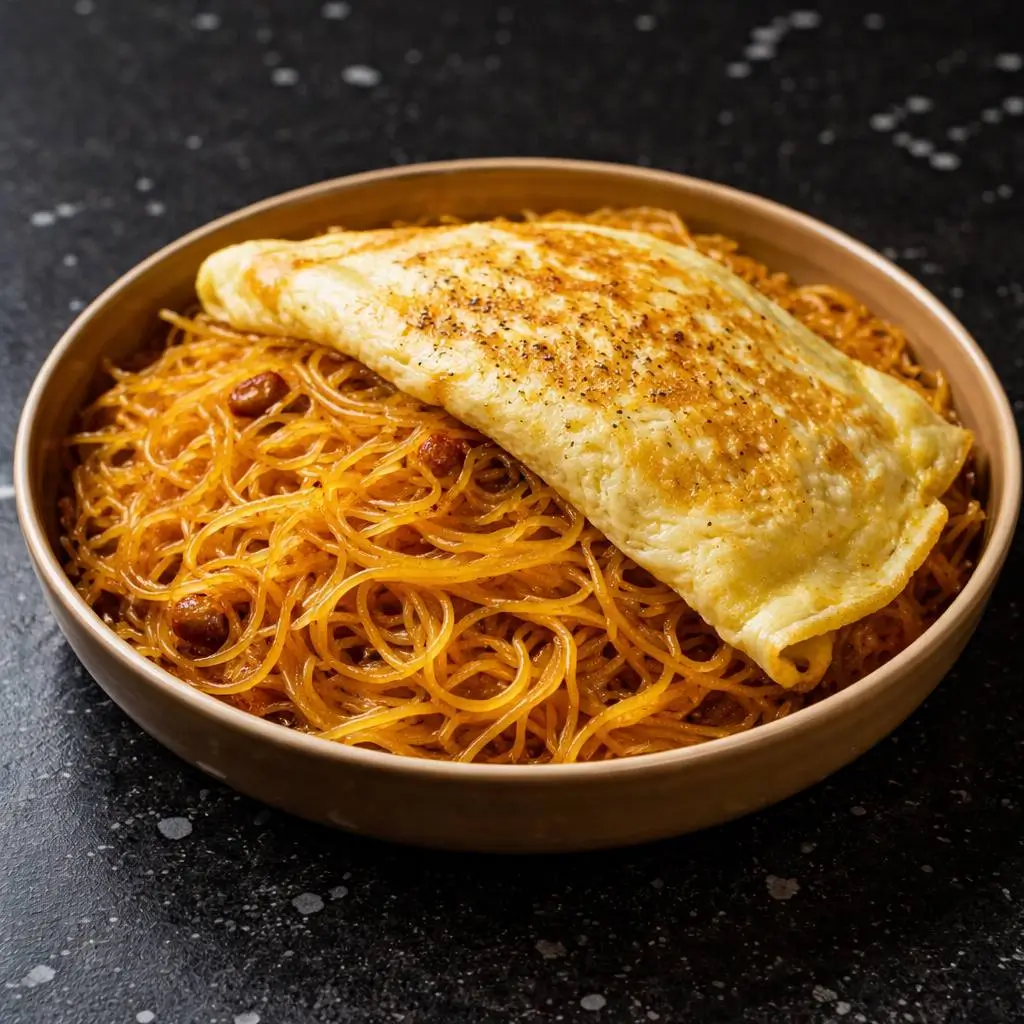
Let’s start with a breakfast that might cause a slight cognitive shock. Balaleet is a dish that perfectly fits the Arab love for contrasts. Imagine thin vermicelli, cooked slightly sweet with the addition of saffron, cardamom, and date syrup. Sounds like dessert? And it’s treated as such. But a surprise awaits—on top sits a thin, fluffy omelet. In a strictly vegetarian version, it’s served with egg; if you’re vegan, simply ask for the version without the omelet. This combination of sweet pasta with a neutral, salty egg is brilliant. I remember my first balaleet in a small cafe in Sharjah. That strange mix of flavors perfectly awakened my senses. It’s not for everyone, but give it a chance. Naturally gluten-free? No, but there’s a safe option coming up next.
Shorbat Adas – The Warming Soul of the Desert
Every culture has its lentil soup, but the Emirati version is a standout. Shorbat adas is not just soup; it’s a ritual, especially during Ramadan. Its secret lies in simplicity.
Red lentils are cooked until they completely break down, creating a thick, velvety cream. The flavor base comes from onions, garlic, cumin, and turmeric. The result? A soup that wraps the stomach in a warm blanket. It’s filling yet light. For those on a gluten-free diet, it’s a gift—the soup is naturally free of gluten, as long as it’s not thickened with flour.
Fattoush – A Salad Crunchier Than Life
In the case of fattoush, a salad becomes a main course. It’s based on two brilliant components: fresh vegetables and crispy bread. The base is tomatoes, cucumbers, radishes, bell peppers, and plenty of parsley and mint. The dressing is olive oil, lemon juice, and pomegranate molasses. The secret weapons are fried pieces of pita bread and sumac. The pita pieces, fried until golden, are tossed in just before serving. Every bite is different. Due to the pita, this isn’t gluten-free, but many modern restaurants will make it with cornbread.
Luqaimat – Airy Doughnuts Impossible to Resist
Warning: these are dangerously addictive. Luqaimat are small, yeast-based doughnuts that are the pride of Emirati street food. The dough is simple—flour, yeast, rose water, a pinch of cardamom. After rising, small balls are fried in deep oil. They become golden outside and fluffy inside. The hot balls are immediately doused in thick date syrup. The first bite is a revelation: crunchy crust, soft interior, and a burst of caramel and rose. This is one of those treats worth traveling for.
Dango – Aromatic Chickpea Stew from the Home Kitchen
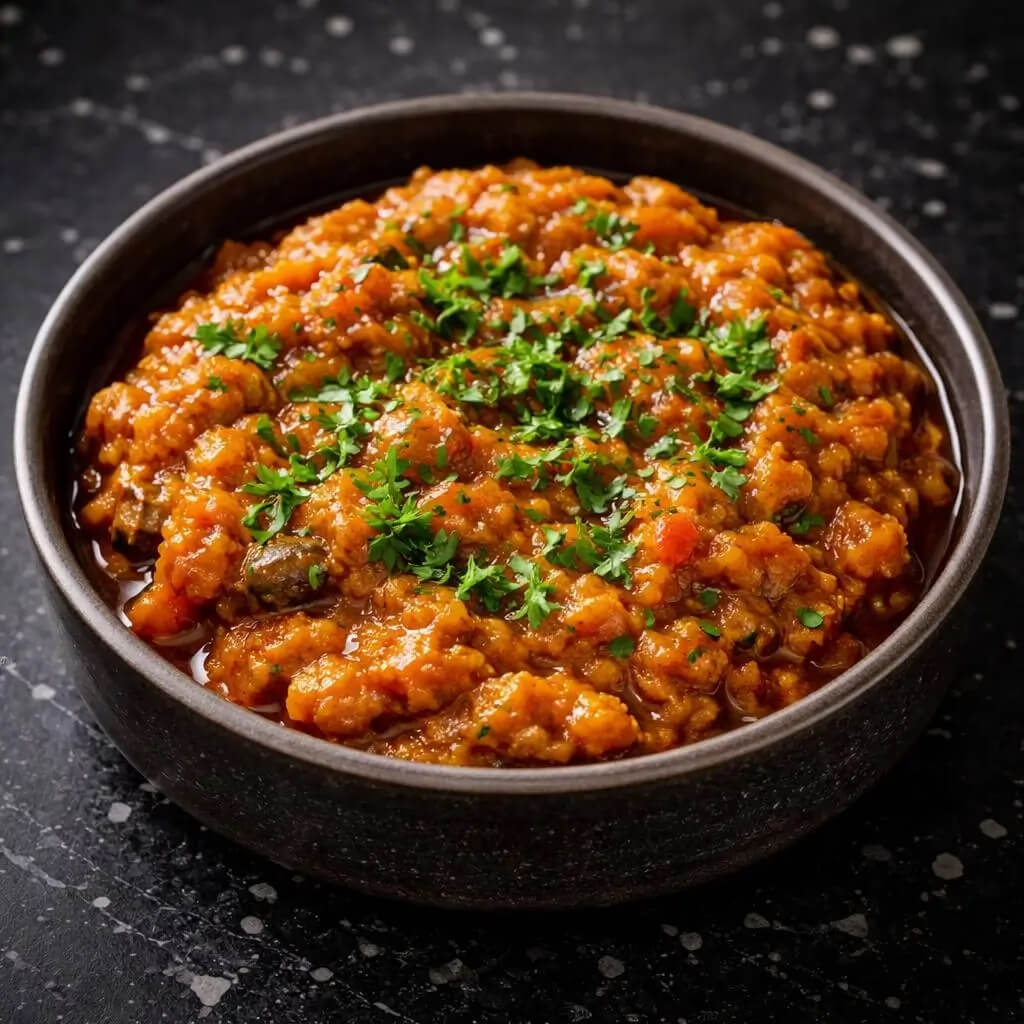
This is a treasure of home-style Emirati plant-based cuisine. Dango is a thick, aromatic chickpea stew, more common in home kitchens than restaurants. Unlike creamy hummus, dango has texture—the chickpeas remain whole, and the sauce is rich and spicy. The base is tomatoes, onions, and garlic, with cumin, coriander, and chili. It simmers slowly and is served with white rice. This dish is filling, warming, and incredibly cheap to make.
Street Food Revolution: Dubai and Abu Dhabi
Dubai street food is, above all, falafel. Although originating from the Levant, it’s a national staple here. Look for places where the balls are fried before your eyes. They should be crunchy outside and green inside from herbs. Served in pita with tahini and pickles, they make the perfect sandwich. For those avoiding gluten, the falafel itself (if made only from chickpeas) is safe—just skip the pita.
Another must is manakish with za’atar. This is a thin flatbread brushed with olive oil and sprinkled with za’atar. Baked in a wood-fired oven, it’s crispy on the edges and soft inside. It’s a common breakfast. Also worth seeking is regag bread—an incredibly thin pancake cooked on a large griddle. In a vegan version, you can get it drizzled with date honey.
The difference between the stalls in Al Fahidi and the food trucks on Kite Beach is huge. In Al Fahidi, you feel old Dubai. The food hasn’t changed for decades. On Kite Beach, modern trucks experiment with plant-based Arab cuisine—vegan burgers, sweet potato fries with sumac, and rose water lemonades.
Green Map of the Emirates: A Survival Guide
Traveling with dietary restrictions is surprisingly easy in the UAE. Is it easy to be a vegetarian in Dubai? Easier than in most European capitals. Don’t be afraid of traditional Emirati restaurants. Even if the menu is meat-heavy, the appetizer section (mezze) is entirely vegetarian. Hummus, mutabbal, muhammara, tabbouleh—that’s just the start. Just say: “Bidun lahm, bidun samak” (No meat, no fish) or “Vegetarian, please.”
The Indian influence is a huge help. Every Indian eatery has an extensive vegetarian menu. Dishes like dal makhani, chana masala, or dosa are readily available. Supermarkets stock plant-based milks and ready-made meals.
For gluten-free travelers: Is Emirati cuisine gluten-free? Not entirely, as wheat is a staple. But with care, you can manage a gluten-free diet in Dubai and Abu Dhabi. Rice is everywhere. Soups like shorbat adas are safe. Most chickpea and lentil dishes are fine. More restaurants offer gluten-free bread. Stick to gluten-free Arab dishes like grilled vegetables, hummus, and baba ghanoush. And always ask. Emiratis are hospitable.
Authentic Hummus Recipe
No guide to UAE vegetarian food is complete without hummus. This recipe comes from a friend in Dubai. The secret: quality tahini and patience.
Ingredients:
- 250 g dried chickpeas (soaked overnight with 1 tsp baking soda)
- 1 cup smooth, light tahini paste
- Juice of 2-3 lemons
- 2-3 garlic cloves, crushed with salt
- Cold water (about ½ cup, chickpea cooking water is fine)
- Sea salt
- Extra virgin olive oil for serving
- Pinch of cumin and sweet paprika for garnish
Steps:
1. Cook the Chickpeas. Drain soaked chickpeas, cover with fresh water, and simmer 1.5-2 hours until very tender. Reserve a cup of cooking water, drain the rest.
2. Blend Tahini and Lemon. Blend tahini and lemon juice for 1-2 minutes until pale and thick. Add garlic paste and salt, blend again.
3. Add Chickpeas. Gradually add chickpeas, blending. Add cold water slowly and blend for at least 4-5 minutes until fluffy.
4. Season. Taste and adjust salt and lemon. Remember it will thicken in the fridge.
5. Serve. Spread on a plate, make a well, add olive oil, and sprinkle with paprika and cumin. Enjoy with warm pita.
The Future on a Plate: Plant-Based UAE
The UAE is investing billions in sustainable agriculture. Initiatives like “Food Tech Valley” in Dubai show this isn’t a fad. Vertical farms in the desert produce tons of organic greens. The government supports this trend with events like Veganuary and local plant-based festivals. Why is Dubai a paradise for vegetarians? Vision, capital, and an open community meet here. Young Emiratis are rediscovering their grandmothers’ recipes, proving that vegetarian food in the UAE is a rich heritage, not just imported burgers.
Ready to trade the desert dunes for mountain peaks? Continue your culinary journey with our guide to The Vegetarian Cuisine of Nepal and discover the soul-warming flavors of the Himalayas.
Conclusions and Recommendations
First, abandon all fears. Whether in Dubai or Abu Dhabi, you’ll have a feast. Seek out local bakeries with manakish and crowded falafel joints in Deira. Try luqaimat and shorbat adas.
Second, be open to fusion. Is Abu Dhabi vegan-friendly? Yes, though it requires a bit more planning than Dubai. For gluten-free travelers, communicate your needs clearly. Rice and legumes are your staples. Awareness is growing. Talk about food with locals—it’s the best way to discover the real Emirates.
FAQ: Questions and Answers
Is plant-based milk easy to find in the UAE?
Yes, it’s standard in cafes and chains (soy, oat, almond).
Can a vegetarian eat during Ramadan daytime?
In major cities, some hotel restaurants and food courts operate. In smaller towns, carry snacks.
Will a traditional restaurant understand “vegan”?
Better to say: “Bidun lahm, bidun samak, bidun jibn, bidun laban.”
What spices to bring back?
Baharat, za’atar, sumac, and dried lime (lumi).
Can vegetarian dishes contain hidden meat?
Not in standard restaurants. In small eateries, ask about soup bases.
Where’s the best falafel in Dubai?
Al Karama and Deira districts.
Are there fully vegan restaurants in the UAE?
Yes, over a dozen in Dubai. Use the Happy Cow app.
Bibliography
- Helou, A. (2018). *Feast: Food of the Islamic World*. Bloomsbury Publishing.
- Al-Ghazali, S. (2021). *The Emirati Table: Traditional Recipes from the UAE*. Motivate Publishing.
- Roden, C. (2000). *The New Book of Middle Eastern Food*. Knopf.
- Robbins, J. & Baskette, M. (2023). *Vegan Dubai: A Guide to Plant-Based Living in the UAE*. Local Explorer Press.
- Arabian Business Journal. (2024). *The Rise of Agri-Tech in the Gulf Region*.
- The National News UAE. (2023-2024). Archival issues on plant-based food festivals.
- UAE Ministry of Climate Change and Environment. (2023). *National Food Security Strategy 2051*.
Legal and Medical Disclaimer
This article is for informational purposes only. It does not constitute dietary or medical advice. Readers assume personal responsibility for their food choices, especially regarding allergies or medical conditions. Consult a qualified physician or dietitian before making significant dietary changes while traveling.