When we think of Jordan, endless deserts, ancient Petra, and Bedouin tents come to mind. Culinary-wise, we often imagine succulent kebabs and lamb roasted over a fire. Yet the real vegetarian cuisine of Jordan offers a world of flavor, proving that plant-based food can be not only healthy but genuinely exciting. This is a culinary tradition built on sunshine, earth, and simplicity—one that has nourished the country’s people for centuries. Being a vegetarian in Jordan is often easier than one might expect: in many situations, you’ll find more meat-free options than you would in a fair number of European cities. Why? Because traditional recipes frequently rely on chickpeas, lentils, and eggplant, with meat appearing more as a side than the star of the show. Jordanian vegetarian food is deeply rooted in the land, and before you set off on a culinary journey, let’s take a closer look at why the tables here are a haven for anyone who loves plant-based eating.
Table of Contents
- 1. Desert on a Plate: Why Jordan Is a Vegetarian Haven
- 2. The Gold of Amman: Falafel Like You’ve Never Known It
- 3. Meze: The Philosophy of Small Plates That Steal the Show
- 4. Mansaf “Green” Style: Can a National Legend Be Reimagined?
- 5. Herbal Alchemy: Za’atar, Sumac, and the Magic of Jordan’s Fields
- 6. What Jordanians Eat Every Day: A Kitchen Without Pretense
- 7. Bedouin in the Big City: How Modern Vegans Eat in Jordan
- 8. A Sweet Finale Without Compromise: From Dates to Knafeh
- 9. Top 5: Absolute Must‑Tries for Vegetarians in Jordan
- 10. FAQ: Everything You Need to Know About Vegetarian Food in Jordan
- 11. Sources & Inspiration
1. Desert on a Plate: Why Jordan Is a Vegetarian Haven
Contrary to what you might think, it’s not meat that lies at the heart of Jordanian cooking. It’s chickpeas, lentils, eggplant, and olive oil—these ingredients have ruled for centuries. Plant-based Jordanian cuisine grew out of necessity and wisdom: in the desert, raising animals was a challenge, while vegetables and grains were a gift that formed the daily staple. Today that tradition is carried forward with pride. What’s more, the religious calendar, with its many fasting periods observed by local Christian communities, promoted meatless dishes for generations. The result? When you’re hunting for a vegan place in Europe, in Jordan you can simply walk into the first local eatery and order a meze spread—it’s a reliable way to enjoy a satisfying meal. Locals often choose these options themselves because they’re delicious and light—ideal for the Jordanian heat. This isn’t a cuisine that tries to imitate meat; instead, it celebrates what grows in this rugged, yet generous land. Whether you’re looking for vegetarian dishes in Jordan or simply curious about local eating habits, you’ll find plenty to explore.
2. The Gold of Amman: Falafel Like You’ve Never Known It
Let’s start with breakfast. Or rather, with a national treasure that has nothing to do with meat. I’m talking about falafel. In many Western countries, it’s often known as dry, greenish balls. In Jordan, it’s an entirely different experience.
These are small, golden bites, crisp on the outside and remarkably fluffy inside. The secret? A blend of chickpeas (in Jordan that’s the dominant legume, though some variations also include fava beans) with plenty of fresh cilantro, parsley, and a mix of spices. Jordanian vegetarian street food reaches its peak here.
The best falafel? Forget fancy restaurants. It’s found on the street. In Amman, in neighborhoods like Jabal Amman or around the city center, you’ll find small windows where falafel is fried right before your eyes. Along with it comes fresh bread—khobz—straight from the oven, a handful of tomatoes, cucumbers, a dab of spicy sauce (shatta), and, of course, homemade tahini. When you hold that sandwich, you can feel the bread barely containing the filling. This is the essence of local street food. Trying to make them at home is also rewarding—just add a pinch of baking soda to achieve that lightness. For anyone seeking meatless Jordanian dishes, this is where the journey begins.
3. Meze: The Philosophy of Small Plates That Steal the Show. Vegetarian Cuisine of Jordan
Vegetarians in Jordan have their own private heaven—it’s called meze. These are small appetizers served at the start of a meal. And watch out: they often become the most important part of dinner. A meze spread can be so generous that there’s simply no room left for a main course.
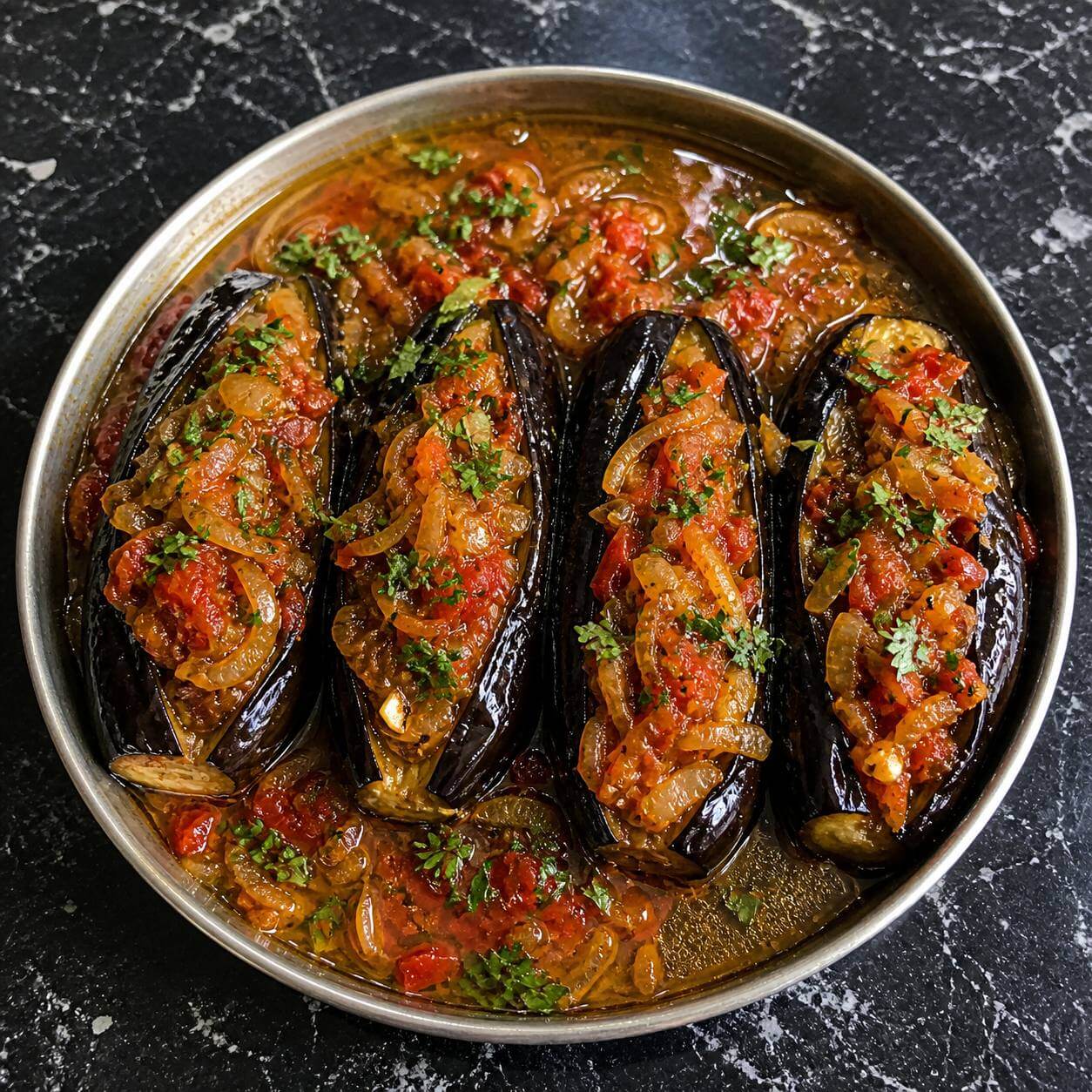
On the table land true gems. There’s hummus—but not just any hummus. Jordanian hummus is creamy, silky, with a generous amount of tahini and drizzled with the finest olive oil. It’s often served with warm chickpeas on top—a texture that melts in your mouth. Next to it sits mutabal—a smoky eggplant dip, to which Jordanians often add yogurt, making it velvety smooth. Baba ghanoush, though sometimes used interchangeably, tends to be more rustic, with a stronger smoky flavor. There are no hard rules—each family and restaurant has its own recipe, and the flavor differences are subtle.
When you sit down to meze, you learn to compose. You take a piece of bread, dip it in olive oil with za’atar, then into the hummus, and finally add a piece of pickled turnip. There’s no room for boredom in this assortment. Every small plate tells its story: chickpeas and eggplant are the pillars, and olive oil binds everything into a harmonious whole. This is one of the reasons Jordanian cuisine without meat works so effortlessly.
4. Mansaf “Green” Style: Can a National Legend Be Reimagined?
Mansaf is sacred. It’s Jordan’s national dish, traditionally made with lamb cooked in a sauce of fermented yogurt called jameed, served on a bed of rice. For vegetarians? At first glance, it’s forbidden territory. But modern Jordanian cooking increasingly shows that even legends can be rewritten. In some contemporary restaurants in Amman, and also in home kitchens, vegetarian mansaf is making an appearance.
How does it work? The key is jameed—the fermented, salty yogurt. It gives the dish its characteristic tangy, deep flavor. In the plant-based version, meat is replaced by generous chunks of cauliflower, potatoes, carrots, and sometimes portobello mushrooms, which absorb the intense sauce beautifully. The vegetables are simmered in the jameed sauce until tender and infused with its aroma. It’s served over rice, topped with toasted almonds and pine nuts. If you’re tempted to experiment at home, jameed can be found in Middle Eastern grocery stores, or you can substitute it with thick, plain yogurt (goat’s milk works especially well) mixed with a pinch of salt and a dash of lemon. The taste won’t be exactly the same, but it will bring you closer to that Jordanian magic. Keep in mind, though, that in traditional Bedouin tents or local eateries this version is still rare—it’s best to ask in advance.
5. Herbal Alchemy: Za’atar, Sumac, and the Magic of Jordan’s Fields
If you asked a Jordanian what the secret of their cuisine is, they’d point without hesitation to the spices. They’re the ones that elevate simple dishes into something extraordinary. Two of them reign supreme: za’atar and sumac.
Za’atar isn’t a single spice, it’s a blend. Its soul is dried Syrian oregano (also known as za’atar), toasted sesame seeds, sumac, and salt. Jordanians eat it for breakfast, lunch, and dinner. It’s best on bread—mana’ish bi za’atar is a local fast food, a thin flatbread brushed with olive oil and the herb mix, then baked in the oven. Rolled up, it’s the perfect start to the day. It has an earthy, nutty, herby flavor all at once.
The second hero is sumac. Those dark red berries, dried and ground, yield a tart, lemony powder that’s milder than lemon juice and has a deeper, fruitier note. In Jordanian cooking, sumac is invaluable. Sprinkled over tabbouleh salad (made with finely chopped parsley, mint, tomatoes, and onion), it suddenly elevates it to another level. It’s also used on grilled vegetables, on hummus—practically anywhere a refreshing acidity is needed.
6. What Jordanians Eat Every Day: A Kitchen Without Pretense
To truly understand vegetarian food in Jordan, it helps to look at an ordinary day in a Jordanian home. Breakfast is usually bread (khobz), olives, white cheese, jams, and always za’atar with oil. During the day, simple, seasonal dishes take center stage: mudardara—lentils and rice with caramelized onions; fasolia—beans stewed in tomato sauce; galayet bandora (tomatoes with garlic and peppers); or stuffed vine leaves. Meat appears perhaps once or twice a week, more often as a garnish than the main event. This simplicity, relying on local vegetables, makes any vegetarian feel right at home. What’s more, this cuisine naturally follows the rhythm of the seasons—lighter salads and cold meze in summer, heartier stews and soups in winter. For travelers wondering what do vegetarians eat in Jordan, the answer is often right on the daily table.
7. Bedouin in the Big City: How Modern Vegans Eat in Jordan
You can’t describe Jordan solely through tradition. Contemporary Amman is a bustling metropolis that in recent years has become increasingly friendly to vegans and those on a gluten‑free diet. In neighborhoods like Jabal Amman, Rainbow Street, and Abdoun, you’ll find a growing number of spots serving modern plant‑based cuisine. Plant milks are available in many cafés, and more and more establishments have clearly labeled vegan menus.
When it comes to an authentic Bedouin experience in Wadi Rum, the situation is a bit different. Traditionally, the tents serve meat, but you can request a plant‑based option ahead of time—usually you’ll be served roasted vegetables, rice, lentils, salads, and hummus. It’s worth being aware that in remote areas the choice can be limited, so it’s best to contact your tour operator in advance. For those on a gluten‑free diet, naturally safe options are rice, most meze (hummus, mutabal, vegetables), salads, and lentil dishes. Bulgur appears in some recipes, but it’s easy to avoid; couscous is rarer, found mainly in places geared toward tourists. When people ask is Jordan good for vegetarians and vegans, the answer is a qualified yes—with a bit of planning, it’s a very rewarding destination.
If these Jordanian flavors have sparked your appetite for Middle Eastern cooking, your next stop should definitely be Persia. Check out my guide to Iranian cuisine in a vegetarian version and discover how ancient traditions meet modern plant-based eating.
8. A Sweet Finale Without Compromise: From Dates to Knafeh. Vegetarian Cuisine of Jordan
When it comes to dessert in Jordan, there’s no compromising. Even in plant‑based form, you’ll find real gems. Dates are the foundation—from simple, fresh fruit to elaborate ones stuffed with nuts. Many households use date syrup instead of sugar, which is great news for vegans.
The crown jewel is knafeh. This legendary cheese dessert may be a challenge for vegans, but for lacto‑vegetarians it’s an absolute must.
Knafeh consists of a layer of stretchy, unsalted cheese (usually goat or sheep’s milk), covered with shredded kataifi pastry, soaked in rose syrup, and sprinkled with crushed pistachios. It’s baked until golden and crisp on top, while inside it’s soft and gooey. If you’re looking for something lighter, go for dates stuffed with almonds or sesame halva. Sweetness here is always balanced—rarely overly sugary, often tempered by nuts and floral notes.
9. Top 5: Absolute Must‑Tries for Vegetarians in Jordan
To sum up this culinary journey, here are five dishes you simply cannot miss. They represent the essence of plant‑based Jordanian cooking—things you should try on the ground or successfully recreate at home.
- Amman‑style falafel: Not the one in tourist‑oriented restaurants, but from a small window where they’re fried in front of you. Look for ones with a vivid green center—that’s a sign of plenty of fresh herbs.
- Hummus with warm chickpeas: A classic in a new guise. Silky tahini and chickpea paste topped with whole, warm chickpeas, drizzled with oil and finished with sumac.
- Mutabal: If you think you don’t like eggplant, this dish will change your mind. Smoky, garlicky, creamy—perfect for dipping bread.
- Mana’ish bi za’atar: Jordanian breakfast flatbread. Thin dough, olive oil, and a wild herb blend. You’ll find it in every bakery.
- Galayet bandora: Simple but brilliant dish of tomatoes, garlic, oil, and peppers cooked down in a skillet. Served with bread for dipping. Often overlooked, it’s a true taste of a Jordanian home.
10. FAQ: Everything You Need to Know About Vegetarian Food in Jordan
Is Jordan good for vegetarians and vegans?
Yes, with a few caveats. In cities like Amman, you’ll find plenty of options, and traditional meze culture makes it easy to eat well. In more remote areas, planning ahead is wise. Overall, it’s one of the more vegetarian-friendly countries in the Middle East.
What are traditional vegetarian dishes in Jordan?
Classics include hummus, mutabal, falafel, mana’ish bi za’atar, galayet bandora, mudardara (lentils and rice), and stuffed vine leaves. Many of these have been staples for generations.
Is it easy to be a vegetarian in Jordan?
Yes, it’s often surprisingly straightforward—in many cities and tourist areas you’ll find a good range of meat‑free options. Most restaurants have extensive meze menus that are entirely plant‑based. Even in small towns, you’ll have no trouble finding falafel and hummus. However, it’s wise to ask about the ingredients in traditional soups or stews—they may occasionally contain meat broth.
What do Jordanians eat on a daily basis?
The daily diet revolves around bread, olive oil, seasonal vegetables, chickpeas, lentils, and rice. Meat is eaten only occasionally, often as a side. Dishes like mudardara, fasolia, and galayet bandora are everyday staples.
How do I order vegetarian food in Jordan?
Simply say “ana nabati” (I am vegetarian) or just choose dishes like meze, falafel, hummus, mutabal. In larger cities, the staff usually speaks English and is happy to help.
Are there gluten‑free options in Jordan?
Yes, but be mindful of bulgur. Naturally gluten‑free options include rice, most meze (hummus, mutabal), grilled vegetables, salads, and lentil dishes. Say “bedoon gluten” and ask about ingredients—bulgur appears in some dishes but is easy to avoid.
Can I try traditional mansaf without meat?
Vegetarian versions of mansaf with vegetables or mushrooms do appear in some modern Amman restaurants.
In traditional Bedouin camps, it’s more difficult—best to ask ahead or request a vegetable‑based dish instead.
11. Sources & Inspiration
This article is based on years of culinary experience, conversations with local chefs in Amman, Madaba, and Wadi Rum, as well as analysis of source materials including publications from the Jordan Tourism Board, articles from “Lonely Planet Middle East,” culinary reports from “Serious Eats,” and interviews with chefs running plant‑based restaurants in Jordan. Knowledge of traditional Bedouin recipes and contemporary trends in Levantine cuisine was also used.
Legal and medical disclaimer: The content of this article is for informational and culinary purposes only. It does not constitute medical or dietary advice. Individuals with allergies, food intolerances, or specific health conditions should consult a qualified professional before applying any culinary advice. The editors are not responsible for the consequences of preparing dishes or traveling based on the information provided herein.