Table of Contents:
- 1. Introduction: Where Meat Isn’t Always the Star
- 2. Tempeh – The Cornerstone of Vegetarian Indonesian Cooking
- 3. The Holy Trinity: Gado‑Gado, Nasi Goreng, and Satay
- 4. Street Food: The Vegetarian Indonesian Street Food You’ll Fall For
- 5. Regional Variations in Vegetarian Indonesian Cuisine
- 6. The Secrets of Spices: What Creates That Unmistakable Flavor?
- 7. A Gluten‑Free Guide: What to Eat Safely
- 8. Tempeh or Tofu? A Quick Comparison of Two Pillars
- 9. A Handy Glossary for Travelers
- 10. Conclusion: Why You Absolutely Need to Try It
- 11. Frequently Asked Questions
- 12. Sources & Inspiration
Introduction: Where Meat Isn’t Always the Star
In this guide, I’ll walk you through what vegetarians eat in Indonesia, which dishes are absolute must‑tries, and how to recreate those incredible flavors in your own kitchen, even if you’re thousands of miles away in Poland. I’ll show you that Indonesian dishes without meat or fish can be more filling, more aromatic, and more complex than many a steak. Forget bland salads – here, a true culinary adventure awaits. Indonesian cuisine for vegetarians and vegans is a subject that could fill a whole book; today, we’ll focus on its most important pillars.
Tempeh – The Cornerstone of Vegetarian Indonesian Cooking
If we had to choose one ingredient that symbolizes plant‑forward Indonesian cuisine, it would undoubtedly be tempeh. For many Europeans, it remains a mysterious, “healthy” meat substitute that often ends up forgotten in the fridge. But in Indonesia, tempeh is a staple. An everyday essential. Its history goes back centuries and is deeply rooted in Java, where it was most likely developed locally as a way to preserve soybeans. Picture this: a handful of soybeans, a specific mold called Rhizopus oligosporus, and a little patience – that’s it. Fermentation transforms the soy into something far more digestible, with a wonderfully nutty, earthy flavor and a dense, meaty texture.
The difference between the tempeh you find in a European supermarket and the fresh version from an Indonesian market is enormous. Over there, tempeh is fresh, actively fermenting, often wrapped in a banana leaf. It’s moist but firm. What we usually get is a pasteurized product that has lost much of its charm. If you want the real deal, look for tempeh in Asian grocery stores – preferably frozen, imported from Indonesia. Or even better, try making it yourself at home. Sounds complicated? I’ll let you in on a secret – it’s easier than baking sourdough bread. Just soybeans, starter culture, and a warm spot. My first homemade tempeh wasn’t perfect (a bit dry), but that rustic, home‑made flavor was still leagues ahead of anything store‑bought.
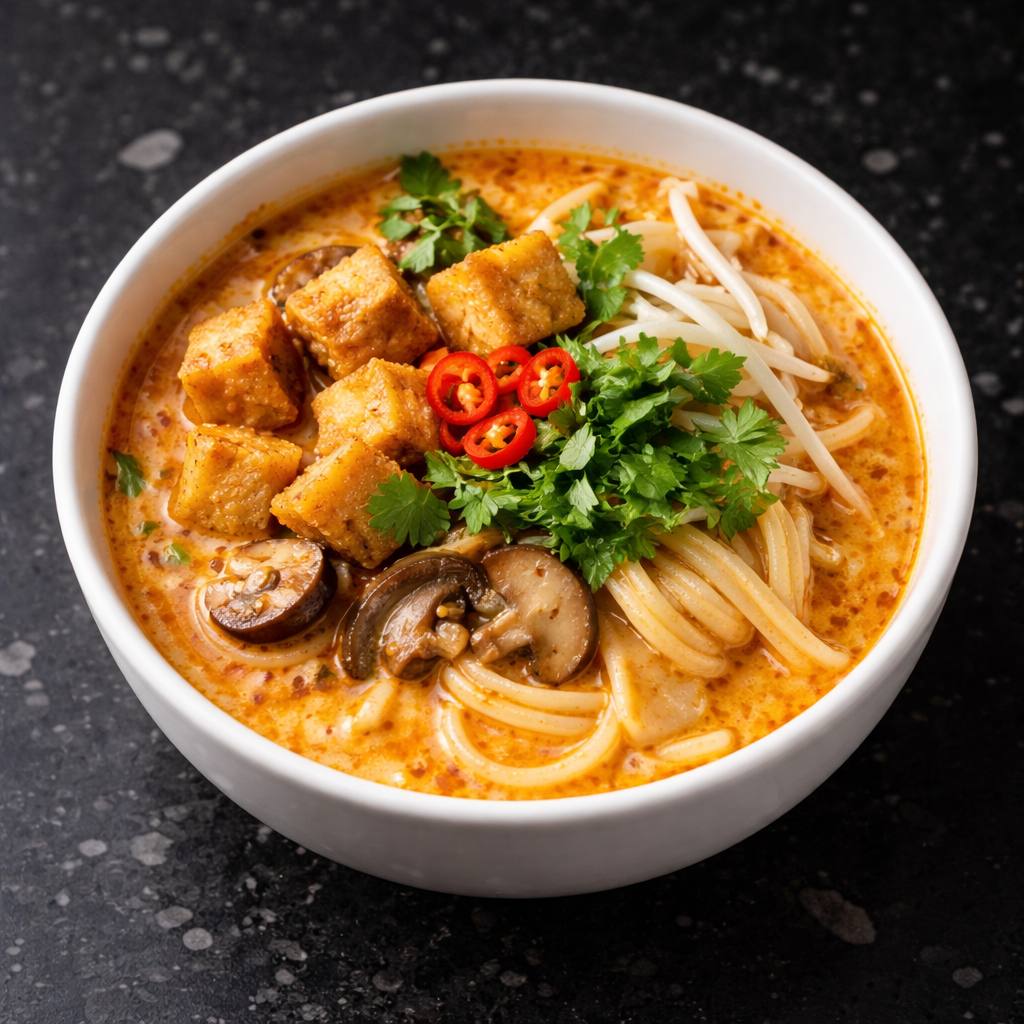
Why is tempeh so beloved? Because it’s a plant‑based protein powerhouse. For vegetarians in Indonesia, it’s a gift from the heavens. You can fry it, grill it, braise it in coconut milk, or even candy it. The uses of tempeh and tofu in traditional Indonesian cuisine are so versatile that you’ll struggle to find a dish they don’t improve. Crispy, stir‑fried tempe kering is one of my favorite rice accompaniments – sweet‑spicy little morsels that can be stored longer than fresh tempeh if kept in a sealed container. Cooking with tempeh is surprisingly straightforward. Just slice it, fry it until golden, then coat it with a sauce. If you want to start exploring vegetarian Indonesian fare, begin with tempeh. It’s forgiving, and it rewards you with amazing flavor.
The Holy Trinity: Gado‑Gado, Nasi Goreng, and Satay
No culinary journey across the archipelago would be complete without these three pillars.
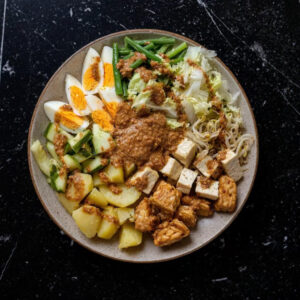
They’re dishes that everyone from Java to Sumatra to Bali knows and loves. They best answer the question what do locals in Indonesia eat every day in a vegetarian version. Each one tells a story, each one is a world of flavor in its own right. Let’s start with Gado‑Gado. In Indonesian, “gado‑gado” roughly means “mix‑mix,” and that name perfectly captures the essence of the dish. This isn’t a European‑style salad. It’s a symphony of textures. On one plate you’ll find boiled vegetables (long beans, cabbage, bean sprouts, potatoes), crispy fried tempeh and tofu, a hard‑boiled egg (omit for vegan), all draped in a thick, creamy peanut sauce.
I still remember my first Gado‑Gado in Bandung. The street vendor arranged the ingredients with meticulous care, then poured over a sauce he’d been perfecting all morning. It was sweet, spicy, tangy – all at once. Suddenly I understood that this simple assembly of ingredients could taste as good as a high‑end restaurant. A vegetarian gado‑gado recipe is also a great starting point for experimentation. At home, you can add fried eggplant or even chunks of pineapple. The secret is the sauce – and here’s a heads‑up: traditional versions sometimes contain terasi (shrimp paste). For a vegetarian version, be sure to ask for it without, or substitute a little soy paste for depth.
The second pillar is vegetarian nasi goreng, a recipe worth keeping in your personal collection. Nasi Goreng is not just fried rice. It’s a dish with its own character. In Indonesia, it’s fried with generous oil, sweet soy sauce (kecap manis), garlic, shallots, and often sambal (chili paste). The meat version typically includes chicken or shrimp, but the plant‑based version is absolutely brilliant. Just add extra vegetables, diced tempeh, and tofu, then finish with a sprinkle of crispy fried shallots. This dish delivers the umami that plant‑based meals sometimes lack. Why? Because kecap manis – the sweet soy sauce – is rich in glutamates. So is tempeh. Paired with a fried egg (if you like), it’s a perfect combination. Many warungs offer “nasi goreng vegetarian,” but it’s always wise to confirm they’re not using lard. In proper veggie spots, that’s never an issue.
And finally, the third of the holy trinity: satay. Skewers loaded onto bamboo sticks and grilled to perfection. The classic is chicken satay. But satay made from tempeh? That’s next‑level genius. A tempeh satay recipe is simpler than you think: cook the tempeh, marinate it in a blend of soy sauce, coriander, garlic, and pepper, then grill (or pan‑fry) and serve with a thick peanut sauce. This vegan version is so good that it often disappears faster than the meat version. In Indonesia, you’ll find whole stalls dedicated to sate tahu (tofu) and sate tempe. These dishes prove that Indonesian food without meat or fish can be not only healthy but pure joy on a plate.
Street Food: The Vegetarian Indonesian Street Food You’ll Fall For
If you think street food in Southeast Asia is all about meat, think again. Vegetarian Indonesian street food is a category unto itself – a realm of culinary artistry. It’s on these roadside carts that the most exciting flavors are born, and prices are so low you can sample endlessly. Take bakwan jagung – corn fritters. The first time I saw them being made, I thought, “This must be cloyingly sweet.” But no. Sweet, juicy corn mixed with rice flour batter, shallots, garlic, celery, and deep‑fried to a crisp. They’re an absolute must‑try for anyone visiting Indonesia. A bakwan jagung recipe is ridiculously simple, yet these little fritters steal the hearts of travelers time and again. Crispy outside, tender inside – perfect for an afternoon snack.
Another street‑food favorite is martabak. Here you need to be careful – the classic version often contains meat or egg.
But vegetarian versions are out there, stuffed with cheese, chocolate, nuts, or even vegetables. Martabak manis (sweet martabak) is a dessert that resembles a pancake on steroids – thick, gooey, sprinkled with sesame seeds. It’s a street‑food guilty pleasure that even the most refined palate would enjoy. And then there’s pisang goreng – fried bananas. This one’s straightforward. Bananas (preferably the firmer variety) are dipped in rice flour batter and fried. It’s a dessert that wins hearts through simplicity. Look for versions topped with cheese (yes, in Indonesia banana and cheese is a popular combo) or drizzled with chocolate.
One of the biggest surprises for vegetarians is how accessible vegetables are at every turn. In Indonesia, the concept of a “main dish” is different from what we’re used to. Meals are often composed of several small elements – rice, a couple of vegetable preparations, tempeh, and tofu. Even at markets dominated by meat stalls, you’ll always find a corner with sayur asem (tamarind vegetable soup) or urap (steamed vegetables with grated coconut). All of this means vegetarian Indonesian food is accessible to anyone, regardless of budget.
Regional Variations in Vegetarian Indonesian Cuisine
When we talk about vegetarian Indonesian cuisine, we can’t treat it as a single, uniform thing. The archipelago consists of over 17,000 islands, each with its own traditions, deeply shaped by religion and local ingredients. Take Bali, for instance – an island that has attracted travelers from around the world for decades. Is Bali vegan‑friendly? The short answer: yes. It’s a true paradise for plant‑based eaters. You’ll find a high concentration of restaurants serving exclusively vegan food, especially in Ubud and Seminyak, often in raw or bowl styles. Bali is also where Indonesian cuisine for vegetarians and vegans meets international trends. But it’s worth exploring the local Balinese tradition, which differs from the rest of the country. Balinese Hindus have long practiced ritual offerings, but their everyday diet leans heavily on vegetables, tofu, and tempeh. On Bali, being vegetarian is easiest – every waiter understands “vegetarian” and knows how to adapt dishes.
Java, the heart of the country, is the cradle of many culinary traditions. Javanese traditional vegetarian Indonesian food tends to be more assertive, slightly sweeter, and more intricate. Javanese cooking loves kecap manis, which gives dishes deep caramel notes. A dish like gudeg (young jackfruit slow‑braised in coconut milk) often appears in a meat‑based version (with chicken or egg), but vegetarian variations are just as popular. On Java, also look for sayur lodeh – a rich vegetable soup made with coconut milk. A sayur lodeh recipe Indonesian style is something every plant‑based cook should have in their repertoire. It’s simple, inexpensive, and satisfying. Coconut milk mingles with young corn, long beans, pumpkin, and spices to create a warming, soulful dish.
Sumatra, with its Arab and Indian influences, brings more spice, more heat. Here you’ll find vegetable curries called gulai – less creamy than Thai curries, more focused on spices like cinnamon, cloves, and cardamom. For those seeking the best Indonesian islands for vegetarians, besides Bali, I’d recommend Lombok and Flores – where the cooking is more rustic, less tainted by mass‑market meat. On each of these islands, you’ll discover local specialties that are naturally vegetarian, rooted in the culinary heritage of those lands. Understanding these regional differences is key to fully experiencing vegetarian Indonesian cuisine.
The Secrets of Spices: What Creates That Unmistakable Flavor?
If there’s one word that unlocks the door to understanding this cuisine, it’s “bumbu. ” Bumbu isn’t just a spice – it’s a paste, a blend. Every family, every warung, every restaurant has its own secret bumbu recipe. And bumbu is what separates a good dish from an outstanding one. Spices in Indonesian cuisine are not afterthoughts; they’re the foundation. A typical bumbu includes shallots, garlic, chilies, galangal (a cousin of ginger with a citrusy kick), lemongrass, candlenuts, and often turmeric and coriander. This paste is fried in oil until fragrant, then the other ingredients join the party.
For vegetarians, a key issue is replacing terasi – the shrimp paste that adds umami. In many traditional recipes, it’s essential, especially in sambals (chili pastes) and sauces. Fortunately, there are plenty of plant‑based workarounds. You can use soy paste, a pinch of crumbled nori (for that oceanic touch), or simply amp up the amount of dried shiitake mushrooms. In my own kitchen, when making vegan nasi goreng, I often add a little dark soy sauce and some mushrooms – they deliver the same savory depth. Remember, Indonesian cooking without meat is flexible; cooks have been adapting recipes to available ingredients for centuries.
And we can’t ignore the role of coconut milk. Coconut milk in Indonesian dishes isn’t just an addition; it’s often the base. Unlike in Thai cuisine, where it’s used in curries, in Indonesia you’ll encounter it more in soups (sayur lodeh) and braised dishes (gudeg). It gives dishes a creamy richness and a gentle sweetness that balances the heat of the chilies. If you’re cooking at home, opt for coconut milk with a high fat content – the richer, the more authentic the flavor.
A Gluten‑Free Guide: What to Eat Safely
Since this site is dedicated to gluten‑free eating, we need to address this topic – because Indonesian cuisine can be a mixed bag. On one hand, many traditional dishes are built on rice and vegetables, which are naturally gluten‑free. On the other hand, there’s one ingredient that can trip you up: kecap manis. This sweet, thick soy sauce is added to almost everything. And here’s the problem: classic kecap manis contains wheat. Fortunately, gluten‑free versions made purely from soy are available both in Indonesia and in specialty shops abroad. When eating out, always ask whether they use kecap manis with wheat or without. At vegetarian and vegan restaurants, especially on Bali, staff are often aware and can offer gluten‑free options.
For those on a gluten‑free diet, rice is your best friend. Rice is king in Indonesia. Nasi putih (white rice) is served with everything. Soups like sayur lodeh or soto (in their vegetarian form) are safe as long as no wheat‑based noodles are added. Noodles (mie) often contain gluten unless they’re mie bihun (rice vermicelli). Is Indonesian cuisine gluten‑free? Not entirely, but with a little knowledge you can navigate the menu easily by choosing rice‑based, vegetable‑rich, and tempeh‑based dishes. Nasi goreng without soy sauce is possible, but it loses its signature flavor. A better bet would be nasi uduk (rice cooked with coconut milk) or nasi kuning (yellow turmeric rice).
The list of Indonesian gluten‑free dishes that are also vegetarian is surprisingly long. Safe bets include: gado‑gado (provided the sauce doesn’t contain kecap manis), urap (vegetables with coconut), tempeh and tahu goreng (fried tempeh and tofu), and pecel (a vegetable salad with peanut sauce). Just be sure to inform the staff about your dietary needs. A simple “saya alergi gluten, terima kasih” (I’m allergic to gluten, thank you) works in most tourist areas. For extra peace of mind, pack a small bottle of gluten‑free soy sauce – many warungs are happy to use it if you ask.
Tempeh or Tofu? A Quick Comparison of Two Pillars
In vegetarian Indonesian cuisine, tempeh and tofu (tahu) are inseparable partners. Though they’re often used interchangeably, they’re actually quite different, each with its own unique qualities. Understanding these differences will help you appreciate local recipes and make informed choices. Here’s a quick breakdown to clear up any confusion.
| Characteristic | Tempeh (Tempe) | Tofu (Tahu) |
|---|---|---|
| Base | Whole soybeans fermented with a mold | Soy milk coagulated (like cheese) |
| Texture | Firm, dense, “meaty,” with visible beans | Smooth, creamy, from silky to extra‑firm |
| Flavor | Nutty, earthy, slightly mushroom‑like from fermentation | Mild, neutral, absorbs surrounding flavors |
| Nutrition | Higher protein and fiber, rich in B vitamins | Good protein source, lower in calories, contains calcium |
| Digestion | Fermentation makes it easier to digest, less gas‑inducing | Can be heavy for some if eaten raw or unfermented |
| Common uses | Great for frying, grilling, as “cutlets” | Versatile: in soups (soto), fried (tahu goreng), as stuffing |
As you can see, both have their strengths. In everyday plant‑based Indonesian cooking, they often appear together on one plate, complementing each other in flavor and nutrition. If you want to taste authentic Indonesia, don’t choose – enjoy both!
If the Indonesian spices have sparked your appetite for more plant-based discoveries, it’s worth looking towards the Middle East. You will find another incredible world of herbs and traditions in the vegetarian cuisine of Jordan – the flavors of the Middle East, where simple ingredients like chickpeas and tahini are transformed into true culinary art.
A Handy Glossary for Travelers
When traveling in Indonesia, knowing a few basic words can work wonders. Not only will it make ordering easier, but it also opens the hearts of locals. Here’s a practical glossary for vegetarians:
- Nasi – rice (the foundation of every meal).
- Mie – noodles (often wheat‑based; ask for rice noodles – “bihun”).
- Goreng – fried (the most common preparation method).
- Sayur – vegetable, vegetable soup.
- Tahu – tofu.
- Tempe – tempeh.
- Tanpa daging – without meat (your key phrase!).
- Saya vegetarian – I am vegetarian.
- Pedas – spicy (useful if you’re not into heat).
- Tidak pedas – not spicy.
Armed with these words, you can confidently explore even the smallest warung. Remember: a smile and friendliness are the currency that opens any door in Indonesia – including the kitchen door.
Conclusion: Why You Absolutely Need to Try It
Vegetarian Indonesian cuisine is far more than a collection of recipes. It’s a lesson in how to eat well, healthfully, and ethically without sacrificing pleasure. It’s a cuisine where every ingredient is treated with respect, and fermentation and spice blends aren’t mere techniques but art forms. For the traveler, it’s a safe haven once you know how to navigate it. For the home cook, it’s an endless source of inspiration. One taste, and you’ll fall in love. To answer the question what do people eat in Indonesia on a vegetarian diet – the answer is: everything, just in a plant‑based rendition. From spicy soups to satisfying rice dishes to desserts that surprise with their simplicity.
If you’re planning a trip to Indonesia, remember two words: “tanpa daging” (without meat). That phrase will open up hundreds of possibilities. Don’t be afraid to ask. Indonesians are incredibly hospitable and happy to adapt dishes to your needs.
In many regions, especially Yogyakarta and Bali, you’ll find areas with a high concentration of vegetarian restaurants. And if you can’t travel there right now – start with tempeh. Make satay, nasi goreng, gado‑gado. Rediscover what plant‑forward Indonesian cuisine can be. I hope this guide has helped you grasp just how vast and fascinating this culinary world is. Now – into the kitchen! Which of these dishes made your mouth water most? Which one are you planning to cook this week? Let me know in the comments – I can’t wait to hear your stories and kitchen experiments!
Frequently Asked Questions
Is Indonesian cuisine vegetarian?
Not entirely, but it has a strong vegetarian foundation. Traditionally, many dishes built around vegetables, tempeh, and tofu are naturally plant‑based. However, meat, fish, and seafood are also common in daily meals. The key is knowing where to look and how to order.
What do vegetarians eat in Indonesia on a daily basis?
The staple is rice (nasi) accompanied by sides: fried tempeh (tempe goreng), fried tofu (tahu goreng), various vegetables (sayur), and aromatic sauces often based on peanuts or coconut milk. Popular dishes include gado‑gado, vegetarian nasi goreng, and sayur lodeh.
Is it easy to be vegetarian in Indonesia?
Yes, especially on Bali, in Yogyakarta, and in larger cities. In those places, you’ll find many vegetarian and vegan restaurants. In smaller towns it can be trickier, but simple vegetable dishes with rice and tempeh are available almost everywhere.
Which Indonesian islands are best for vegetarians?
Bali is definitely number one, with the most developed plant‑based food scene. Next are Java (especially Yogyakarta and its surroundings), Lombok, and Flores. These islands offer the widest selection of vegetarian options in restaurants.
What can I use instead of shrimp paste (terasi) in vegetarian versions?
The best substitute is soy paste (like miso) blended with a bit of crumbled nori seaweed, which provides a similar umami kick. In many recipes you can simply omit terasi and increase other ingredients like garlic, shallots, or dried shiitake mushrooms.
Which Indonesian dishes are naturally vegetarian?
Many sambals (chili pastes) traditionally contain terasi, so they are not automatically vegetarian. However, dishes like gado‑gado, urap, sayur lodeh, pecel, and fried tempeh/tofu are typically safe, but always double‑check about terasi or hidden fish sauce.
Sources & Inspiration
In preparing this material, I drew on years of personal culinary travel, conversations with local cooks, and respected publications such as Lonely Planet’s food guides, articles in The Jakarta Post about culinary heritage, archival materials from Indonesia’s Ministry of Tourism, and academic studies on soybean fermentation in Southeast Asia. I also relied on databases of traditional recipes from Java and Bali, which are considered the foundation of vegetarian cuisine in Indonesia. All information has been verified for accuracy and aligns with current knowledge of Asian cuisine and plant‑based nutrition.
Special attention was given to authenticity, drawing on traditional cookbooks published by local communities and interviews with tempeh producers in Yogyakarta – a region regarded as the birthplace of tempeh. Additional insights came from publications by the Institute for Plant‑Based Food Research in Jakarta. For those who wish to dive deeper, I recommend “Cradle of Flavor” by James Oseland and the archives of the Indonesian Culinary Heritage Foundation.