Sitting between the Caspian Sea and the Caucasus, Azerbaijan is a country with a deep culinary soul—a place where Persian, Turkish, and Caucasian influences have mingled for centuries. Sure, Azerbaijani food is famous for its meat kebabs and lavish rice pilafs. But scratch the surface, and you’ll discover a whole world of plant‑based and vegetarian dishes (yes, with yogurt and cheese) that have been part of everyday life and festive tables for as long as anyone can remember. Thanks to an abundance of vegetables, fresh herbs, legumes, and grains, Azerbaijani vegetarian cuisine rests on a rock‑solid foundation—from fragrant herb‑filled flatbreads (qutab) to soul‑warming yogurt soups and slow‑stewed vegetable wonders. In this guide, born from traditional recipes and real‑life kitchen experiences, we’ll take you on a journey through the plant‑based side of Azerbaijan. You’ll see what daily cooking looks like, which dishes you can easily make without meat, and how to navigate local food culture as a vegetarian.
- Azerbaijan – Land of Fire, Hospitality, and Culinary Diversity
- Key Vegetarian Dishes of Azerbaijan
- 5 Vegetarian Recipes from Azerbaijan
- Dairy Delights in Azerbaijani Cuisine
- What Do Azerbaijanis Eat Every Day? – The Vegetarian Context
- Traditional Food Philosophy – Dishes That Nourish
- Table: Vegetarian Azerbaijani Dishes – Gluten and Alternatives
- Tips for Travelers – How to Eat Vegetarian in Azerbaijan
- Conclusion – Vegetarian Azerbaijan Is a Culinary Discovery Worth Making
- FAQ – Your Questions About Azerbaijani Vegetarian Cuisine Answered
- Sources & Further Reading
Azerbaijan – Land of Fire, Hospitality, and Culinary Diversity
Azerbaijan sits at a crossroads—geographically and historically. For centuries it was where Persian, Turkish, Russian, and Caucasian cultures met, and that’s reflected in every dish. Islam is the dominant religion, and the traditions of Ramadan (fasting from sunrise to sunset) have shaped a whole range of evening meals, many of them plant‑based. The land itself is generous: eggplants, tomatoes, peppers, pumpkins; herbs like cilantro, mint, tarragon, and basil. Rice is a star, especially in pilafs. All this means Azerbaijani plant‑based cuisine has a fantastic pantry to work with—even if the traditional kitchen is heavily meat‑focused, vegetable dishes have always been its quiet, essential counterpart.
Key Vegetarian Dishes of Azerbaijan
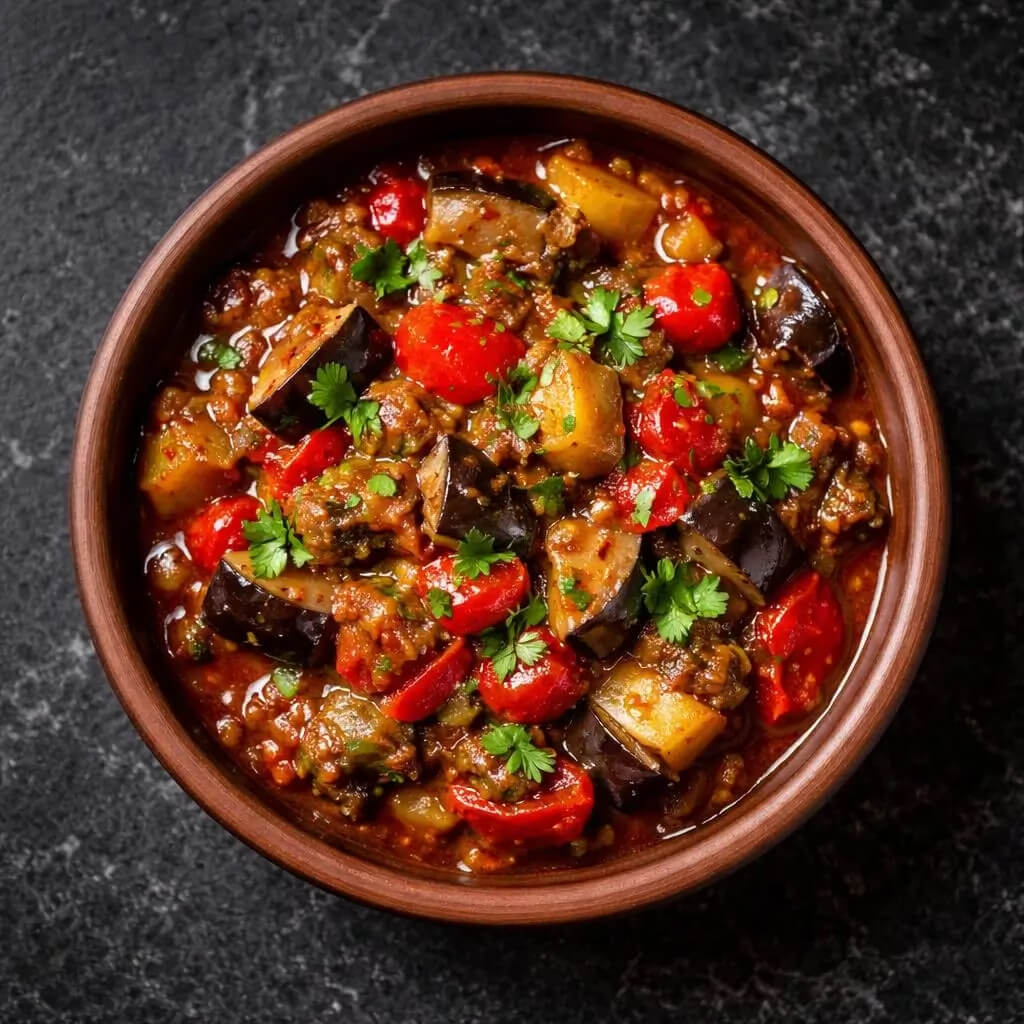
Sure, Azerbaijani cuisine is famous for meat skewers, but there are plenty of dishes that are naturally meat‑free or easy to adapt. Many start with vegetables slowly stewed in butter or vegetable oil. Ajapsandali—a beloved Caucasus dish that’s also widespread in Azerbaijan—is a veggie medley of eggplant, peppers, tomatoes, and garlic. In its vegetarian version, it’s served with rice or fresh bread.
Another classic is badımcan dolması. The traditional version stuffs eggplants with meat, rice, and onion. But during fasting periods, you’ll find a vegetarian take filled with rice, herbs, and dried plums. Same goes for yarpaq dolması (stuffed grape leaves): the classic is meat‑based, but the plant‑based version—rice and herbs—is a fasting‑season favorite, often served with yogurt.
And then there’s pilaf. A vegetarian pilaf made with basmati rice, dried fruits (apricots, raisins), chestnuts, and saffron is a festive showstopper.
Alongside it, you can’t miss qutab—thin, fried dough pockets filled with herbs, pumpkin, spinach, or cheese. They’re everywhere: street corners, home kitchens, especially in Baku. For soups, dovga rules: a thick, tangy yogurt soup loaded with rice and a mountain of herbs (cilantro, mint, spinach). It’s the ultimate summer refresher. Traditionally it contains an egg to keep the yogurt from curdling, but egg‑free versions exist. During holidays like Novruz, families bake şəkərbura (sweet nut‑filled pastries) and badambura (almond cookies).
Eggplant Rolls (Badımcan ruleti) — The King of Azerbaijani Appetizers
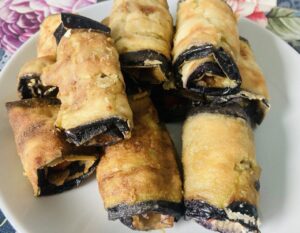
Traditional Azerbaijani eggplant rolls (Badimcan ruleti) with a vegan and gluten-free twist.
This dish is a must-have on any traditional Azerbaijani table. Thin slices of eggplant, fried to a perfect golden brown and filled with a rich, aromatic paste made of walnuts, garlic, and fresh cilantro. In our special version, we use a gluten-free breading that adds an extra crunch while preserving the authentic Caucasian flavor.
5 Vegetarian Recipes from Azerbaijan
Here are five easy recipes to bring the taste of Azerbaijan to your own kitchen. All are simple, use readily available ingredients, and capture the spirit of the place.
1. Ajapsandali (Traditional Vegetable Stew)
Ingredients: 2 eggplants, 2 bell peppers, 2 tomatoes, 1 onion, 3 garlic cloves, ½ cup oil, cilantro, salt, pepper (optional: a carrot and a pinch of sugar for balance).
Method: Cut the eggplants into cubes, salt them, and let sit for 30 minutes. In oil, sauté the onion, add peppers and the squeezed‑dry eggplants. Cook for 15 minutes, then add tomatoes and garlic. Simmer until tender. Season with cilantro and pepper.
2. Herb Qutab
Dough: 2 cups flour, water, salt. Filling: a bunch of cilantro, dill, sorrel, spinach, salt, pepper.
Method: Knead the dough and roll out thin circles. Chop the herbs, mix with salt and pepper. Place the filling on half of each circle, fold over, seal the edges. Fry on a dry skillet (or a traditional saj) on both sides.
3. Badımcan dolması – Vegetarian Version
Ingredients: 4 small eggplants, 1 cup rice, 1 onion, a handful of dried plums, mint, cilantro, salt, pepper, oil.
Method: Hollow out the eggplants, salt them, and set aside. Cook the rice halfway, mix with chopped onion, chopped plums, and herbs. Stuff the eggplants, arrange in a pot, cover with water, and simmer for 40–50 minutes until tender.
4. Dovga (Yogurt Soup with Herbs) – Egg‑Free Version
Ingredients: 1 liter plain yogurt, ½ cup rice, ½ cup cooked chickpeas, a bunch of cilantro, a bunch of mint, a bunch of spinach, salt, optional 1–2 tsp chickpea flour for stability.
Method: Mix the yogurt with 2 cups of water, add the rice (and optional chickpea flour) and cook over low heat, stirring constantly to prevent curdling, until the rice is soft. Add the chopped herbs and chickpeas, simmer 10 minutes. Serve cold. (Traditionally, an egg is used to stabilize the yogurt; the egg‑free version needs vigorous stirring.)
5. Vegetarian Pilaf with Dried Fruits
Ingredients: 1 cup basmati rice (or short‑grain local rice), a handful of raisins, a handful of dried apricots, a handful of chestnuts (or walnuts), saffron, salt, oil.
Method: For extra authenticity, lightly sauté the rice in oil before boiling. Cook the rice in salted water with saffron. Fry the fruits and chestnuts in oil, then mix with the rice. Serve with fresh herbs.
Dairy Delights in Azerbaijani Cuisine
Dairy is huge in Azerbaijan. Yogurt (qatıq) is the base for soups, sauces, and drinks. You’ll also find pendirli qutab (cheese qutab)—flatbreads stuffed with salted cheese—and kurut—dried yogurt balls that dissolve in water into a refreshing drink. Bread is sacred; it’s traditionally baked in clay ovens (təndir). Lavash and yufka are thin wheat‑flour flatbreads (yes, they contain gluten) that accompany every meal. On the Caspian coast, fish is popular, but vegetarians can always fall back on rice and vegetable dishes.
What Do Azerbaijanis Eat Every Day? – The Vegetarian Context
A typical day starts with breakfast (səhər yeməyi): cheese, olives, fresh bread, jam, tea. On weekends, qutab with herbs or cheese is a favorite.
Lunch (nahar) is the main meal—often soup (like dovga), a main dish (pilaf or vegetable stew), and a salad. Dinner (axşam yeməyi) is lighter—maybe pilaf with dried fruits, qutab, or just bread with cheese and vegetables. Snacks are dried fruits, nuts, and fresh veggies. In larger cities, vegetarian‑friendly options are increasingly common, and Baku now has a growing number of places with plant‑based menus.
Traditional Food Philosophy – Dishes That Nourish
For generations, Azerbaijanis have used food for its health‑giving properties. Dovga is prized for its cooling effect and digestive benefits, especially in summer. Ajapsandali packs fiber and antioxidants. The key herbs—cilantro, mint, tarragon, basil—do more than flavor; they aid digestion. In traditional cooking, grains (bulgur, rice) and vegetables are common, and legumes often replace meat. During Ramadan, light, often plant‑based dishes are served after sundown to avoid heaviness. Today, healthy‑eating trends are making Azerbaijani plant‑based cuisine popular even among those who don’t follow religious traditions.
Table: Vegetarian Azerbaijani Dishes – Gluten and Alternatives
The table below highlights a few lesser‑known but delicious vegetarian dishes. It notes gluten content and alternatives for those on gluten‑free diets.
| Dish Name | Contains Gluten? | Alternatives / Notes for Vegetarians |
|---|---|---|
| Kükü (vegetable frittata) | No (naturally gluten‑free) | Can be vegan if eggs are omitted (substitute with chickpea flour). |
| Pendirli qutab (cheese qutab) | Yes (wheat flour dough) | Gluten‑free version: rice and corn flour dough. Can be made vegan with plant‑based cheese or no filling. |
| Göyərti salatı (fresh herb salad) | No (naturally gluten‑free) | Vegan – simply mixed fresh herbs, sometimes with a light dressing. |
| Çoban salatı (shepherd’s salad) | No (naturally gluten‑free) | Vegan – tomatoes, cucumbers, onion, olive oil. |
| Kəşkək (post‑fasting version) | Yes (made from hulled wheat) – contains gluten | Traditionally with meat, the post‑fasting version is made without meat but may still contain butter (not always vegan). Gluten warning. |
Tips for Travelers – How to Eat Vegetarian in Azerbaijan
Traveling through Azerbaijan as a vegetarian is easier than you might think—if you know where to look. Baku and larger cities have plenty of restaurants with vegetarian options, and traditional vegetable dishes are widely available. Here are some practical tips:
- Look for ajapsandali, badımcan dolması (vegetarian version), herb qutab, egg‑free dovga, and pilaf with dried fruits. Most are naturally meat‑free or can be easily modified.
- Watch out for soups—many (like piti) contain meat. Always ask: “Bu yemək ətli? Mən vegetarianam” (Is this dish with meat? I’m vegetarian).
- In local teahouses (çayxana), you’ll often find bread, cheese, vegetables, herbs, and nuts—a perfect quick meal.
- Markets are treasure troves: fresh fruit, vegetables, dried fruit, nuts—great snacks for the road.
- During Ramadan, it’s easier to find lenten dishes, which are often plant‑based. Many restaurants offer special menus then.
- If you’re gluten‑free, stick to rice‑based dishes, veggies, legumes, and avoid bread (lavash, yufka) and wheat‑based foods (like qutab). Remember, kəşkək contains gluten.
If these Azerbaijani flavors have sparked your appetite for plant-based adventures, you can’t miss the ultimate vegetarian paradise. Take your taste buds on a journey from the Caucasus straight to the heart of Asia! Dive into our guide on Vegetarian Cuisine of India – Tradition, Flavors, and Best Dishes and discover why Indian spices are the true soul of meat-free cooking.
Conclusion – Vegetarian Azerbaijan Is a Culinary Discovery Worth Making
Azerbaijani vegetarian cuisine isn’t just a curiosity for travelers—it’s a full‑fledged part of the country’s culinary identity. Yes, the kitchen is meat‑heavy, but the wealth of vegetables, herbs, legumes, and grains makes a meat‑free diet not only possible but wonderfully varied. From aromatic herb qutab to hearty ajapsandali and delicate saffron‑scented pilaf, there’s something here for every palate. Visiting Azerbaijan, you’ll discover not just warm hospitality but a cuisine that can surprise even the most seasoned vegetarian. We hope you’ll try the recipes at home—and maybe even plan a culinary trip to this fascinating country.
FAQ – Your Questions About Azerbaijani Vegetarian Cuisine Answered
Is Azerbaijan friendly to vegetarians?
In Baku and larger cities, yes—there are many restaurants with vegetarian options, and traditional vegetable dishes are widely available. In smaller towns, choices may be more limited, but you can always put together a meal in a teahouse (çayxana) using bread, cheese, vegetables, and herbs.
Which vegetarian dishes should I try in Azerbaijan?
Ajapsandali (traditional vegetable stew), badımcan dolması (vegetarian version), yarpaq dolması (stuffed grape leaves with rice), herb qutab, egg‑free dovga (yogurt soup), pilaf with dried fruits, and salads like çoban salatı and göyərti salatı (fresh herb salad).
Is Azerbaijani cuisine vegan‑friendly?
Yes, many traditional dishes are naturally vegan—ajapsandali, rice dolma, herb qutab, pilaf with dried fruits. During Ramadan, many meat‑free meals are prepared. Restaurants are increasingly offering vegan versions. (Note: dovga traditionally contains egg; ask for the egg‑free version.)
Is Azerbaijani cuisine gluten‑free?
Not really—wheat (lavash, yufka, qutab) is everywhere. But there are plenty of naturally gluten‑free dishes: rice‑based meals, vegetables, legumes, and salads. People with celiac disease should stick to ajapsandali, dovga, rice pilaf, salads, and avoid bread, qutab, and kəşkək (contains wheat).
Can I find vegan qutab in Baku?
Yes, many places offer qutab with herbs (qutab göyərti), which is naturally vegan. Vegetarian and vegan restaurants in Baku also serve qutab with pumpkin or spinach.
What herbs are key in Azerbaijani vegetarian cooking?
Cilantro, mint, tarragon, basil, dill, sorrel—these give qutab, dovga, and salads their characteristic freshness. Fresh herbs are available at markets year‑round.
Sources & Further Reading
- „Azerbaijani Cuisine” – Tahir Amiraslanov (Baku, 2018)
- „The Cuisine of Azerbaijan” – Zivar Mammadova (2015)
- „Cooking from the Heart: Azerbaijani Cuisine” – Farida Huseynova (2020)
- Articles from culinary portals „Azerbaijan Cuisine” and „Kəndimiz”
- Publications by the Ministry of Culture of Azerbaijan on intangible culinary heritage
- Interviews with Azerbaijani chefs from the „Culinary Azerbaijan” project (2023–2024)
- Lonely Planet culinary guides: Azerbaijan, Georgia & Armenia (2022)
- Culinary blogs: „Azerbaijan Food”, „Caspian Kitchen”
This article is for informational purposes only and does not constitute medical, dietary, or legal advice. Before making significant changes to your diet, especially if you have celiac disease, food allergies, or other health conditions, consult a qualified dietitian or doctor. The editorial team has made every effort to ensure the information is accurate and up‑to‑date at the time of publication, but accepts no responsibility for any consequences arising from its use.