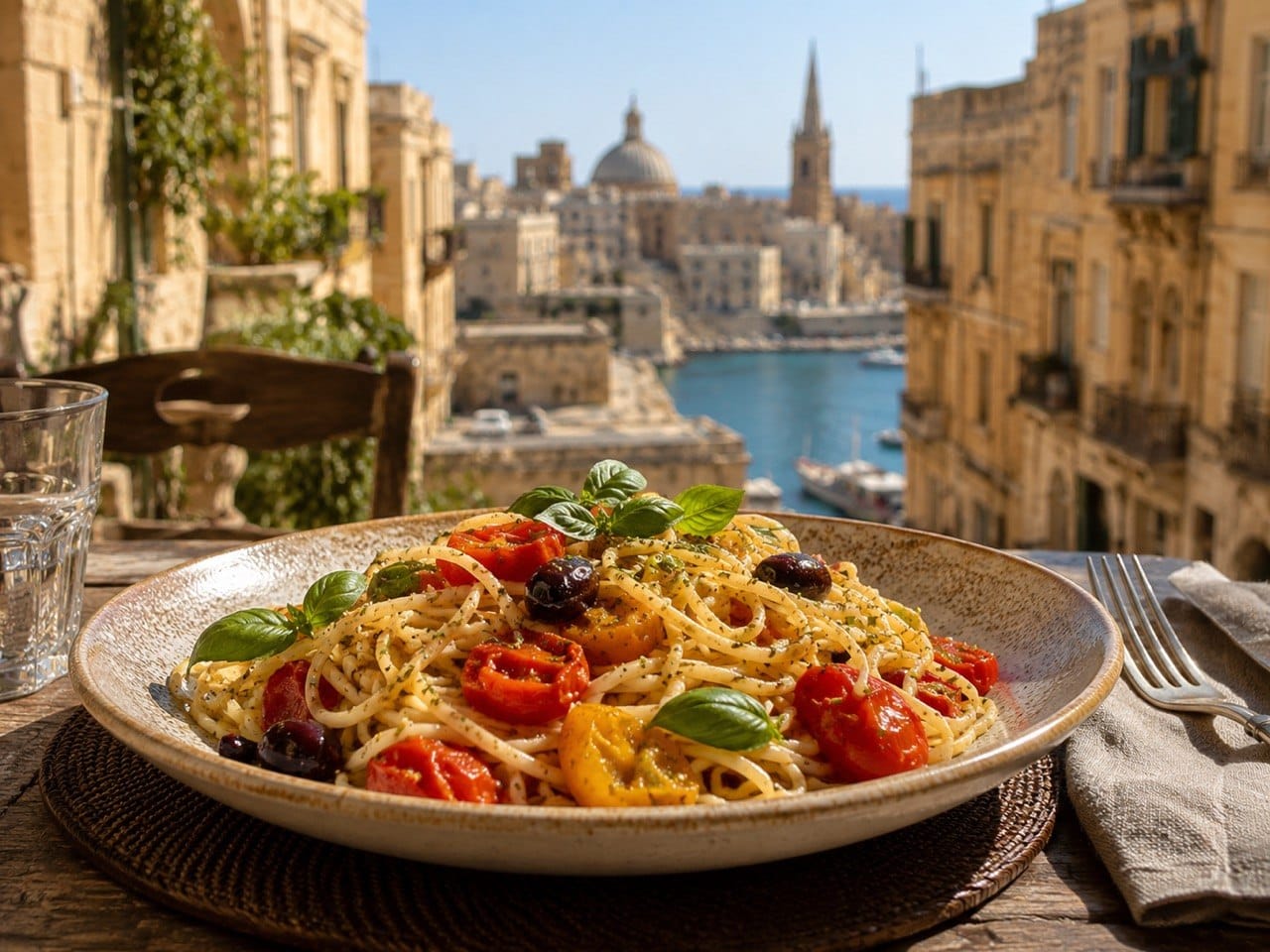
Malta runs on English almost as much as Maltese, and that single fact changes the whole shape of eating gluten-free in Malta compared to other European destinations in this guide. There’s no phrase card to print, no dictionary to carry — a waiter in Valletta understands “gluten-free” the first time you say it, the same way a waiter in London would. That doesn’t mean the food is automatically safe. It means the conversation that keeps you safe is finally a normal one — the kind of exact phrasing that also matters in our Bosnia and Herzegovina guide.
Why English Changes Everything Here
English holds official status alongside Maltese, taught in schools from the start and used daily in business, tourism, and government. For a gluten-free vegan traveler, that removes an obstacle covered in almost every other guide on this site: a real warning getting lost in translation. A Maltese waiter who says “no problem, I’ll check with the kitchen” almost always means exactly that, and follow-up questions get real answers.
The catch is that fluency in English doesn’t guarantee fluency in celiac disease. Cross-contamination, shared fryers, and flour dust on a prep counter are technical concepts even native English speakers misunderstand. Plenty of well-meaning staff still need the specific vocabulary spelled out.
Exact Phrases That Work
A handful of specific sentences do more work than a general “I’m gluten-free” ever will:
- “I have celiac disease, not a preference — even a small amount makes me sick.” This single line, said early, shifts how seriously a kitchen treats the request.
- “Is this fried in the same oil as anything breaded?” Most Maltese kitchens fry fish, chips, and pastizzi in shared oil, and this question catches the risk a menu never will.
- “Can you check the actual ingredients on the pasta?” Staff sometimes confuse gluten-free with vegetarian or dairy-free, so naming the ingredient directly avoids the mix-up.
- “Is there flour dusted on the pizza stone or the counter before this goes in?” A dedicated gluten-free pizza can still pick up flour from a shared prep surface, and this question specifically catches that.
Tribe, a restaurant in Valletta, keeps a full vegan and gluten-free menu that isn’t printed by default — ask for it by name to get the fuller list. SUQ Tal-Belt, the covered food market on Triq Il-Merkanti, has at least one stall serving entirely gluten-free food, though reviewers note the pizza oven is shared with regular dough, which makes it a stop for gluten-avoidant travelers more than anyone managing a severe reaction.
Maltese Dishes Worth Asking About
Ftira is the dish every Malta guide mentions and almost none flag correctly. It looks like a simple vegetable sandwich — tomatoes, olives, capers, olive oil — and travelers who skim past the name assume the “bread” part is minor. It isn’t. Ftira is durum wheat bread with UNESCO recognition behind its baking tradition, and there’s no version of it without flour. The topping is just vegetables, but the base is entirely wheat.
Stuffat tal-fenek, Malta’s national rabbit stew, is off the table for vegans regardless of gluten status — but if it comes up, the stew itself typically has no flour thickener, while the pasta it’s traditionally served over usually does.
Valletta vs. Gozo: Slower Island, Fewer Safeguards
Valletta has the density. Oakberry, a Brazilian açaí chain on Castille Street, keeps a mostly vegan and naturally gluten-free menu, though a few toppings — honey, whey, collagen — need to be waved off specifically. Pastaus, tucked down a side street, makes fresh pasta daily including a gluten-free option, and staff walk you through which vegan sauces pair with it.
Gozo moves slower, and the restaurant scene reflects that. Green Mood, a fully vegan restaurant in Victoria, takes a health-focused approach that makes gluten questions easy to ask. Alive Bistro, also in Gozo, comes up repeatedly in reviews specifically for staff who understand celiac precautions, not just for stocking a few gluten-free items. Outside Victoria’s small restaurant cluster, options thin out fast, and the English-language advantage matters less when there’s nobody around to ask.
Lidl Malta and Local Health Shops
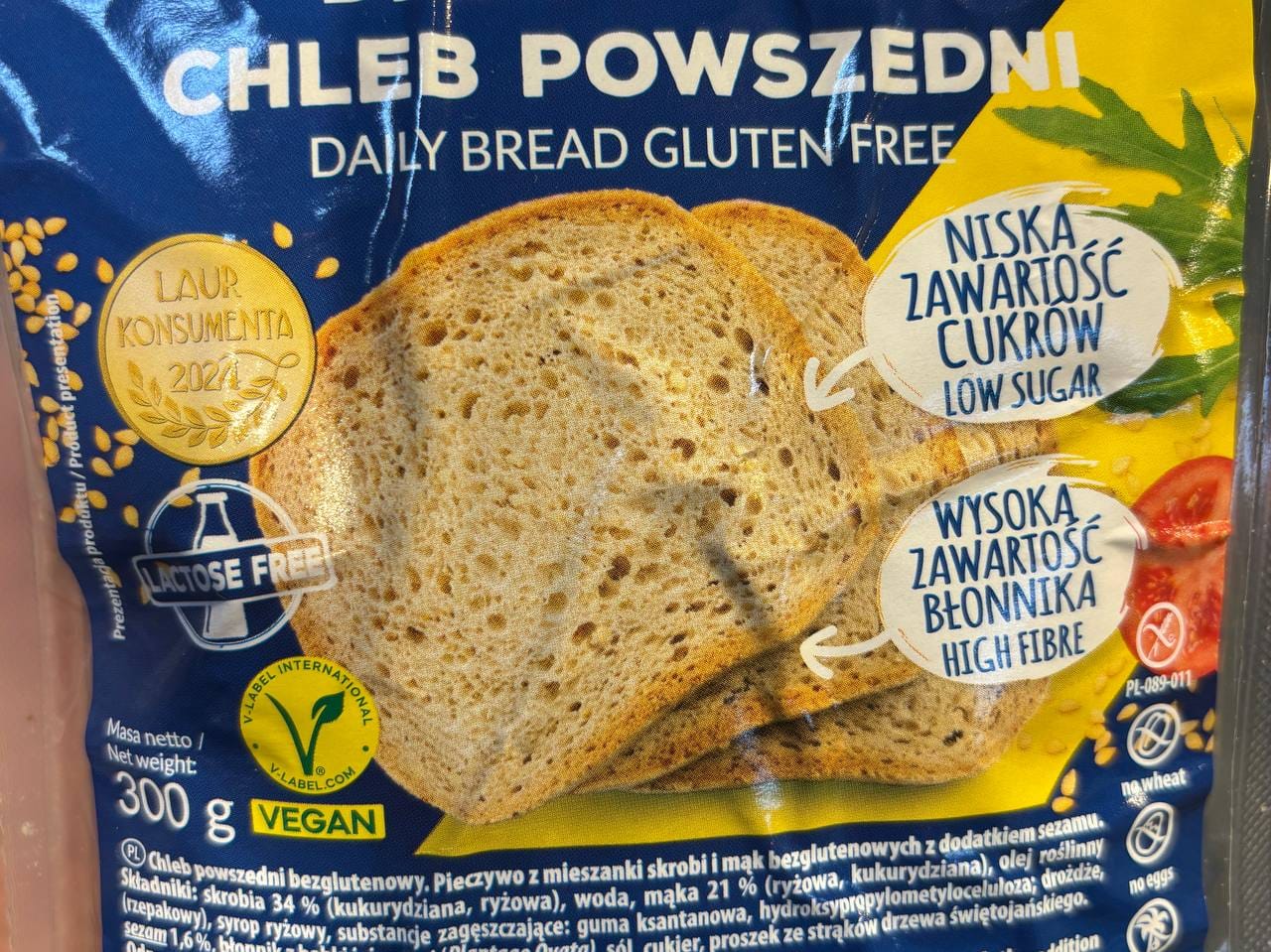
Lidl operates across the Maltese islands and carries its Europe-wide “Just Free” range in the larger stores — bread, pasta, biscuits, and pizza bases, priced well below specialty imports. Availability varies store to store, and Malta’s active Gluten Free Malta Facebook group is worth checking before a trip for real-time reports on which branches currently stock what, since shelves here turn over faster than official product lists suggest.
Independent health food shops fill the rest of the gap, particularly in Sliema and around Valletta, stocking certified products from Schär and similar European brands alongside fresh produce. Between Lidl for the basics and a health shop for anything more specific, restocking for a few self-catered days rarely takes more than one stop. If you’re pairing Malta with Greece or the Serbia leg of a longer Mediterranean trip, the English-first advantage covered here is the one thing that won’t carry over.
This guide reflects restaurant and product information current as of 2026, drawn from HappyCow, Find Me Gluten Free, and firsthand reports from Malta’s celiac and vegan travel communities. Menus, kitchen practices, and product formulations change; always confirm current ingredients and preparation methods directly with restaurants and vendors before ordering, especially if you have celiac disease.