Most guides to gluten-free Balkan travel skip Bosnia and Herzegovina entirely, jumping straight from Croatia to Montenegro. That’s a mistake. Sarajevo and Mostar are two of the most rewarding cities in the region, and the local cuisine — once you know which dishes to trust — turns out to be far friendlier to a gluten-free diet than the bread-heavy reputation suggests. This guide follows a realistic three-day route: two days in Sarajevo, a scenic drive south, and a final day split between Mostar’s Old Town and the river village of Blagaj. If you’re stitching together a longer Balkan trip, our guides to eating gluten-free in Albania and navigating gluten-free Greece cover the legs on either side of this route, and our Montenegro guide picks up right where Mostar leaves off, a few hours further south along the coast.
One thing worth knowing before you land: Bosnian home cooking is built around slow-cooked stews, grilled meat and fish, bean dishes and vegetable sides. Bread is served alongside almost everything, but it isn’t baked into most dishes the way pasta is in Italy. That distinction matters — it means gluten-free Bosnia is less about hunting for rare substitutes and more about learning which three or four items to wave off at every meal. For anyone putting together a longer Balkans itinerary, this guide will be more useful than another list of cafés — read our Balkan travel guide here.
Day 1: Sarajevo’s Baščaršija, Coffee to Coffee
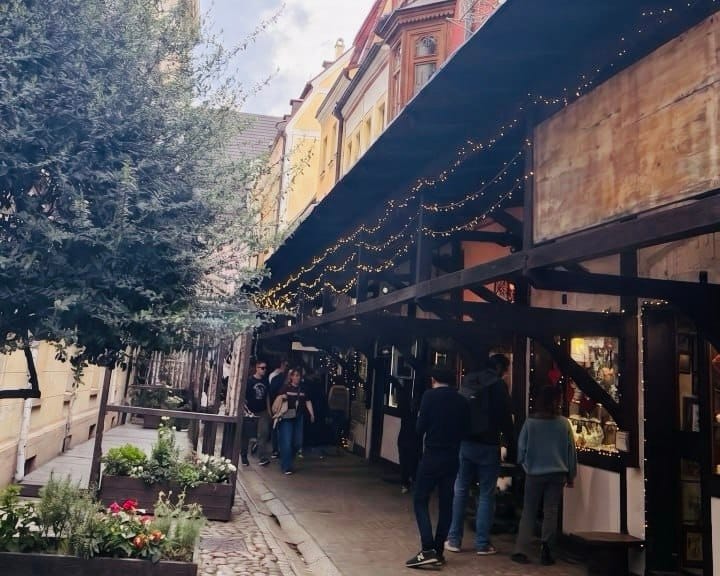
Start where everyone starts: the Ottoman-era old town, Baščaršija, with its coppersmith alleys and low wooden coffeehouses. Bosnian coffee itself is naturally gluten-free and vegan — it’s just finely ground coffee, water, and a copper džezva — so this is one part of the culture you can enjoy without a single question to the waiter. Order it “bez šećera” if you’d rather skip the customary sugar cube on the side.
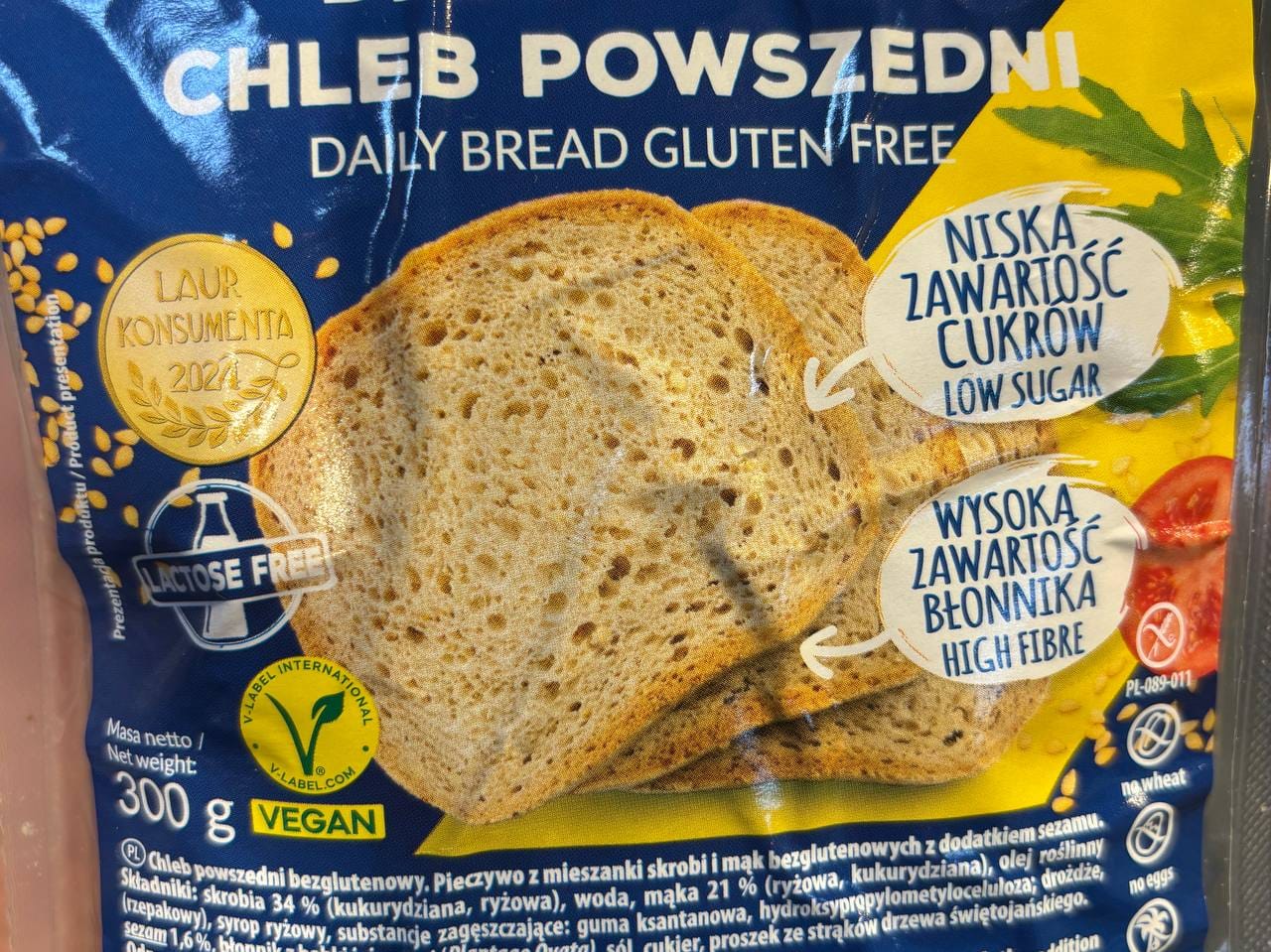
For something to eat alongside it, skip the bakery stalls selling burek, the flaky meat- or cheese-filled pastry that’s Sarajevo’s signature street food. It’s made from stretched wheat phyllo, and there’s no way to order around that. The one exception in the whole city is No Gluten Factory, a dedicated 100% gluten-free bakery at Dr. Fetaha Bećirbegovića 37A, a short bus ride from the old town. They bake their own gluten-free burek, along with mantije (Bosnian dumplings), rice bread, and a chocolate cake that keeps coming up in traveler reviews. It’s worth building your first morning around, partly so you can stock up on bread for the rest of the trip.
For lunch, Sarajevo has a genuinely good vegan scene, which isn’t something you’d guess from the meat-heavy menus in most restaurant windows. Karuzo is a small, reservation-only restaurant that feels more like someone’s living room than a business — call ahead, since the chef doesn’t take walk-ins on busy nights. The vegan risotto and the gluten-free tiramisu are the two dishes that keep coming up in reviews. If you’d rather not commit to a booking, Veganer, closer to the center, is a fast-casual vegan spot with a genuinely long list of gluten-free items: burgers, onion rings, wraps, and salads, all clearly marked on the menu.
Dinner is where you can try Bosnian food properly. Nanina Kuhinja serves traditional home-style dishes with a vegan hot lunch and dinner menu, and the kitchen is used to fielding questions about gluten, lactose, and meat all at once — call a day ahead if you can, since food is cooked to order rather than kept warm on a buffet line. The Singing Nettle, a more modern take on Bosnian cooking, keeps gluten-free bread and a vegan gluten-free pasta on its regular menu, which is unusual enough in this city to be worth planning a meal around.
One dish to watch out for, even on Day 1: ćevapi, the grilled minced-meat rolls that are practically the national dish. The meat itself is usually just beef or lamb with no filler, so it’s naturally gluten-free — the danger is what comes with it. Ćevapi are served inside somun, a soft flatbread, and grilled on the same surface used for everything else that day, bread included. If you order ćevapi “bez somuna” (without the bread), ask specifically whether they can be grilled on a clean section of the grill. Not every kitchen will say yes, and that’s fine — there’s plenty else on the menu.
Day 2: The Road South, Through the Neretva Canyon
The drive from Sarajevo to Mostar takes a little under two and a half hours on the M17, and it’s genuinely one of the best road trips in the Balkans — the highway follows the Neretva River through a steep green canyon for most of the way. Fill up in Sarajevo before you leave and pack a few things from No Gluten Factory; roadside options thin out fast once you’re outside the city.
If you stop in Konjic or Jablanica, both popular lunch breaks on this route, stick to the rules that apply anywhere in rural Bosnia: grilled meat or fish, a plain salad, and vegetable sides ordered without bread on the side. Čorba, the everyday Bosnian soup, is usually thickened with a wheat-flour roux called zaprška, even in versions that look like a simple vegetable broth — treat every soup along this stretch of road as unsafe unless someone in the kitchen can specifically confirm otherwise, which in a small roadside aščinica is unlikely.
Jablanica itself is known nationally for lake trout, caught fresh from the reservoir the town sits on. If you have the extra 20 minutes, a grilled trout lunch here is a safer and more memorable choice than whatever’s on offer at the highway rest stops — just specify “na žaru, ne pohovano” (grilled, not breaded), since trout is sometimes served pan-fried in a flour coating.
Day 3: Mostar’s Old Town and a Side Trip to Blagaj
Mostar is smaller and easier to navigate on foot than Sarajevo, which helps, because the restaurant scene right around the Old Bridge is unusually well set up for dietary restrictions. Food House Mostar, tucked into a quiet alley a few steps from the bridge, is the most consistently recommended option in the city — the menu already separates vegetarian, vegan, and gluten-free dishes, including falafel, shakshuka, hummus, and a gluten-free pizza that regularly surprises visiting celiacs with how ordinary it tastes. A five-minute walk away, URBAN taste of orient, on Dr. Ante Starčevića, has staff specifically trained on cross-contamination, not just able to point at a menu symbol — worth choosing if you’re highly sensitive rather than simply avoiding gluten by preference. Restaurant Pizzeria Colombo rounds out the trio as a reliable choice for a gluten-free pizza night.
In the afternoon, take the short drive or bus out to Blagaj, a riverside village built around a 16th-century dervish house at the source of the Buna River. The village runs almost entirely on one dish: whole trout, caught that morning, grilled and served with boiled potatoes and blitva, the Adriatic-style sautéed Swiss chard that shows up all along the Bosnian and Montenegrin coast. It’s naturally gluten-free and vegetarian-friendly as long as you confirm the trout is grilled rather than fried in a flour dredge, which a few of the more tourist-facing restaurants near the tekija do by default. Ask for it “na žaru” before you order, and you’re on safe ground.
Stocking Up: Supermarkets and Bakeries for Self-Catering
If your accommodation has even a basic kitchenette, self-catering for a day or two takes real pressure off the rest of the trip. Bingo, the country’s largest supermarket chain with stores in both Sarajevo and Mostar, stocks a growing gluten-free section, usually including pasta, crackers, and the occasional bread mix. Mercator, a Slovenian chain with several large-format stores in both cities, tends to have a comparable or slightly better selection. For the widest range of certified products, DM drugstores — found on nearly every main shopping street — carry a dedicated allergen aisle stocked with Schär-brand pasta, bread, and biscuits, and this is usually your most reliable single stop.
In Sarajevo specifically, it’s worth building a morning around No Gluten Factory rather than treating it as a quick errand. Beyond the fresh bakery items, they sell packaged bread you can carry with you into Herzegovina, which solves the biggest gap on this trip: rural areas around Mostar and Blagaj don’t yet have a dedicated gluten-free bakery of their own.
Quick Reference: Safe and Unsafe Bosnian Foods
Once you strip away the specific restaurant names, gluten-free Bosnia comes down to a short list you can keep in your head for the whole trip.
| Generally safe | Order with caution | Avoid |
|---|---|---|
| Bosnian coffee (crna kafa) | Ćevapi without somun, grilled separately | Burek, pita, and all phyllo pastries (except No Gluten Factory) |
| Grilled trout (“na žaru”) | Šopska salad (confirm no cheese if vegan) | Somun and lepinja flatbread |
| Blitva sa krumpirom (chard and potatoes) | Grilled vegetables (ask about the shared grill) | Čorba and other roux-thickened soups |
| Prebranac (beans, confirm no bacon fat) | French fries (ask about shared fryer oil) | Any dish described as “pohovano” (breaded and fried) |
This guide is for general information only and doesn’t replace medical advice. Restaurant menus, kitchen practices, and ownership can change; always confirm current gluten-free procedures directly with the venue before ordering, especially if you have celiac disease.