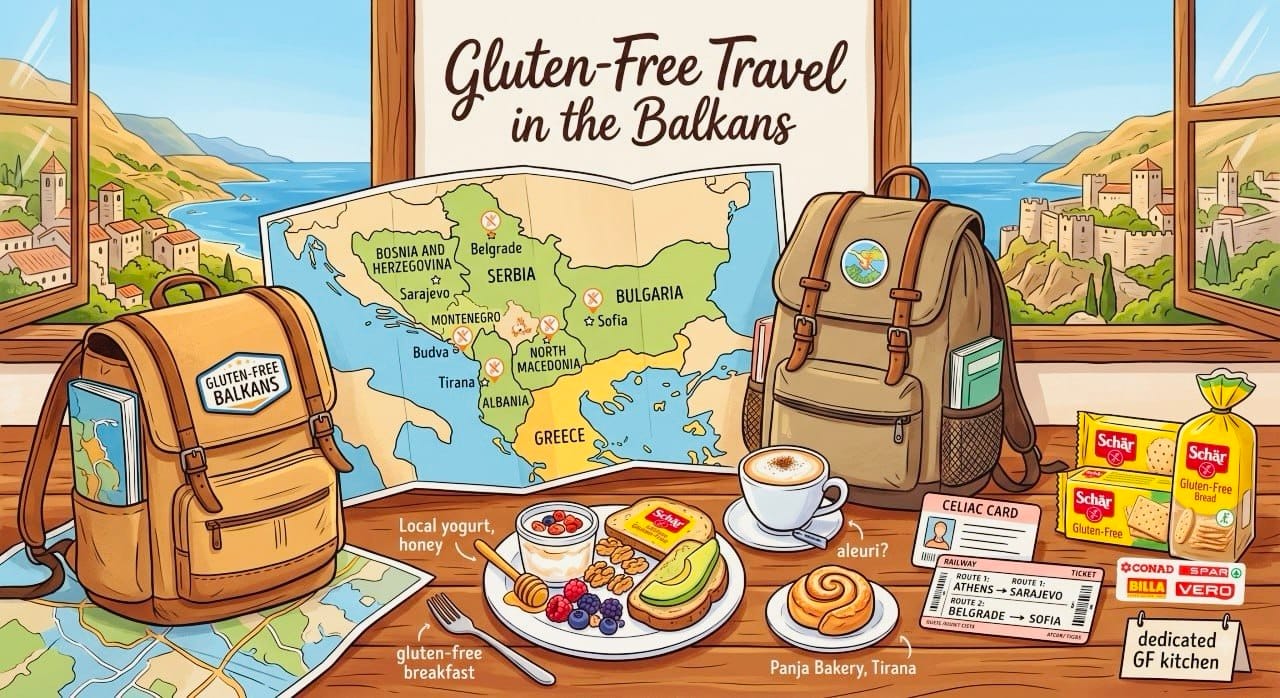
If you search for gluten-free travel guides to Eastern Europe, Serbia usually gets a single paragraph—if you’re lucky. The collective advice is dire: skip it, go to Croatia instead, or stick to the big hotels. But that advice is built on myths that stopped being accurate around 2015. Belgrade now has a genuine vegan restaurant scene, and small-town kafanas are becoming more aware of celiac disease. As you might recognize from our gluten-free Bosnia and Herzegovina itinerary, the biggest trap isn’t ignorance on the ground—it’s traditional preparation methods. This guide separates what’s actually hard from what guidebook writers think is hard, including the crucial safety protocols you need before ordering. For anyone putting together a longer Balkans itinerary, this guide will be more useful than another list of cafés — read our Balkan travel guide here.
Myth: “Serbian Food Is All Meat and Bread”
This foundational misconception keeps many from even trying. Serbia does have a strong grilled-meat tradition, and bread accompanies nearly every meal. However, exploring gluten free serbia reveals a modern dining scene that looks nothing like the tourist stereotypes. Serbian cuisine features a substantial vegetable-based layer: ajvar is the national plant-based pepper spread; prebranac is a robust baked bean dish; and shopska salad (without cheese for vegans) is a reliable staple. Since these dishes share menu space with meat-heavy options, careful filtering is mandatory.
The real variety depends entirely on your chosen location. Dining exclusively at hotel restaurants or tourist-facing grillhouses in Knez Mihailova guarantees a monotonous meat-and-bread experience. Stepping into a neighborhood restaurant or an all-vegan spot completely changes the menu. Researching specific neighborhoods and their culinary offerings beforehand will save you both time and potential stomach issues.
Myth: “Specialty Coffee Culture Doesn’t Exist Here”
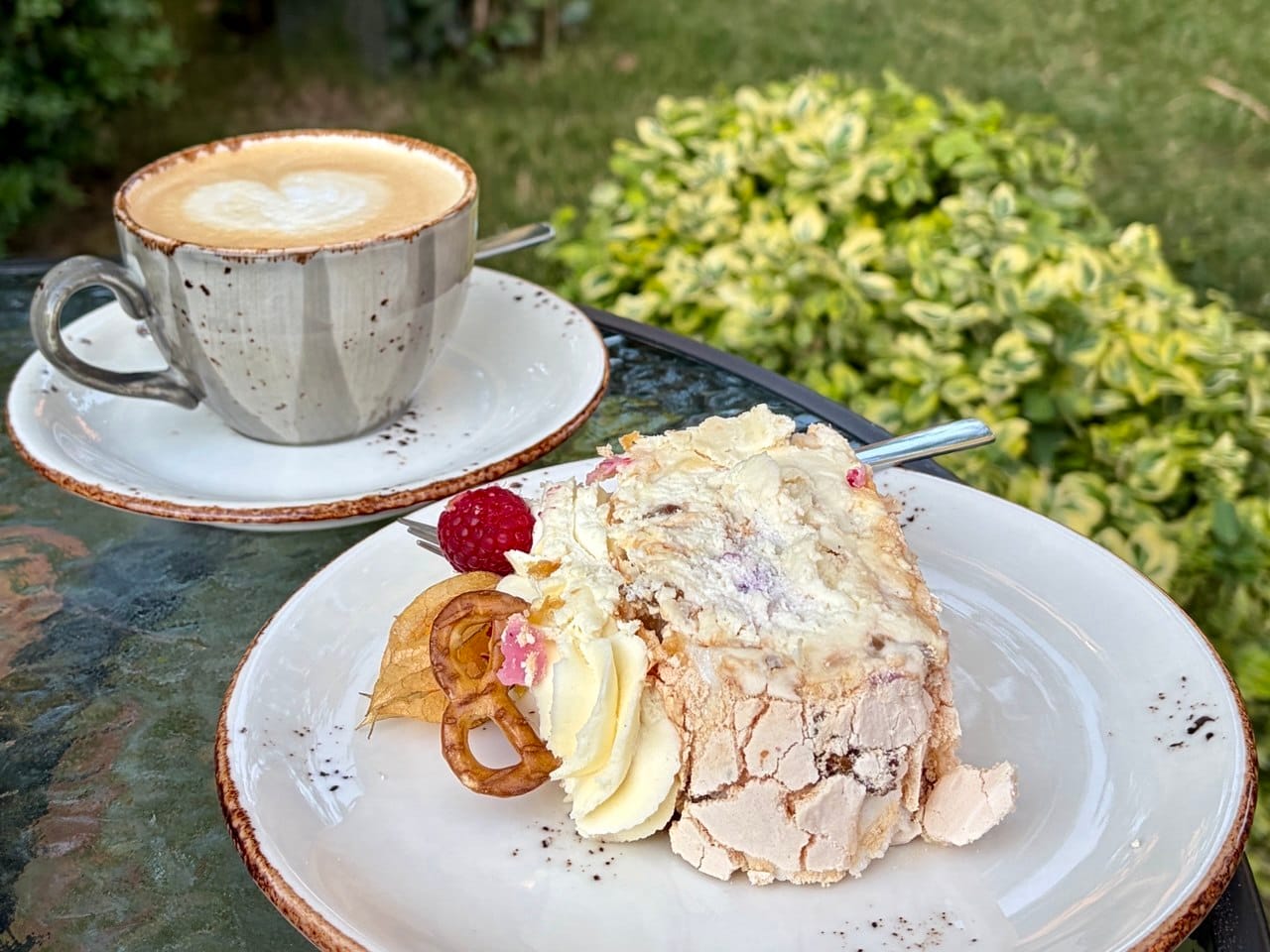
Belgrade’s coffee scene is a standout in the Balkans, featuring third-wave espresso bars and specialty roasters comparable to those in Vienna. Roasters in Dorćol or Beton Hala have been operating for years, though they often remain invisible to travelers sticking to the old town. A well-run specialty cafe usually indicates a kitchen team familiar with food allergies. These establishments tend to source traceable ingredients and maintain cleaner workstations than high-volume, buffet-style grillhouses.
VegANGELov at Gospodar Jovanova 42a is a prime example: a vegan restaurant integrated into a specialty coffee setup. Their menu explicitly marks gluten-free items, and the kitchen is trained to handle specific dietary inquiries. They serve excellent espresso alongside a menu adapted for careful diners. Many of these modern cafes prominently list allergens, making them reliable stops during your city walks.
Myth: “Sarma and Ajvar Are Always Safe”
Sarma (cabbage rolls) appears everywhere but poses significant risks. The version stuffed with rice, mushrooms, or vegan fillings is naturally gluten-free. Conversely, other versions are stuffed with meat, rice, and flour, or even wrapped in phyllo pastry. Ajvar is generally a safe, vegan roasted red pepper spread, unless a cook uses flour to thicken it. A single restaurant might serve both variations without clearly distinguishing them on the menu.
When ordering sarma “sa pirinčem” (with rice), you must explicitly ask about bread or flour additives. If the staff hesitates, skip the dish. For ajvar, confirm whether it contains any flour or animal fats. Always communicate with the chef directly to verify the absence of flour in sauces and fillings.
The Trap Nobody Warns You About: Zaprška
Most dietary guides fail to mention zaprška, a roux made of flour cooked in fat. Cooks add it to almost every soup and stew at the final stage to thicken the broth. Just like the hidden thickeners we discussed when exploring gluten-free dining in Greece, this invisible additive ruins seemingly safe dishes. A naturally gluten-free white bean soup (pasulj), okra stew, or pea soup becomes immediately contaminated once zaprška is introduced.
Serbian cooks view this step as essential for turning a loose broth into a proper meal. If you order soup outside a dedicated gluten-free kitchen, ask directly: “Ima li tu zaprška?” (Is there a roux?) or “Ima li brašno?” (Is there flour?). If the answer is yes, order a different dish. If no, follow up by asking what thickens the soup—reduction and puréed beans are safe alternatives. Insist that the waiter double-checks with the chef, as traditional recipes are rarely modified without a specific request.
Belgrade vs. Novi Sad—Where to Eat
Belgrade holds the most reliable infrastructure for dietary restrictions. Vegan restaurants concentrated in Stari Grad, Dorćol, and Beton Hala are generally equipped to answer specific cross-contamination questions. Mama Shelter on Kneza Mihaila 54A features a marked vegan menu and knowledgeable staff, though it lacks a dedicated gluten-free preparation zone, meaning cross-contamination risks remain. Ananda at Trg Republike 18 is an all-vegan restaurant, but celiacs must still verify their current gluten-free protocols for absolute safety.
Novi Sad is smaller and harder to navigate without local knowledge. While HappyCow lists roughly 23 vegan-friendly spots, many are casual venues lacking strict kitchen protocols. Project 72 Wine&Deli at Kosovskogo 15 is a notable exception; it features a dedicated gluten-free menu. That specific detail provides a level of safety unmatched by kitchens merely guessing about allergen separation.
Belgrade provides more options and greater certainty for those with celiac disease. If you are simply avoiding gluten out of preference, Novi Sad works fine, much like the coastal towns detailed in our Albania travel guide where dedicated menus are sparse but workarounds exist. Plan a meal at Project 72 to ensure at least one completely safe reference point during your stay. The wider gluten free vegan Montenegro region requires similar strategic eating, and Serbia fits perfectly into that pattern.
Supermarket Guide: Maxi & dm
Self-catering provides total control over your meals. Maxi, Serbia’s largest supermarket chain, stocks Schär-brand gluten-free pasta, bread, and biscuits in a dedicated aisle. The selection is broad, the prices are standardized, and the EU-style packaging makes ingredient checking straightforward. A quick trip yields pasta, bread, canned beans, and rice cakes to secure your meals for several days.
The Austrian pharmacy chain dm drogerie markt offers an excellent selection of specialized dietary products. Their store layout caters directly to customers with specific nutritional needs, making it easy to locate certified gluten-free goods. Both chains operate in most town centers and near train stations, providing essential backup supplies if restaurant options fail. Both companies use clear EU-standard allergen labeling, ensuring safe shopping without a language barrier.
This guide reflects conditions as of 2026. Menu offerings, staff training, and kitchen practices change constantly. Always confirm gluten-free procedures and cross-contamination prevention directly with venues before ordering, especially if you have celiac disease. When in doubt, pick the simplest dish: grilled fish or meat with a plain salad and boiled vegetables, ordered with no sauce and prepared on a clean, separate surface.