Montenegro is not yet a gluten-free paradise, but it is absolutely navigable with the right preparation. Along the Adriatic coast, in places like Kotor and Budva, international tourism has pushed restaurants to adapt. In the mountains and rural north, the menu still revolves around grilled meat, dairy and wheat-based staples. If you are traveling with celiac disease, a wheat allergy or a fully plant-based diet, this guide gives you the facts you need to eat safely without missing the best of Montenegrin cuisine. For travelers heading elsewhere in the region, our guides to gluten-free Albania and gluten-free Greece follow the same practical approach.
Montenegro rarely gets visited on its own, and the gluten-free Balkans regional guide lays out how it fits into a longer coastal route through Bosnia, Albania, and Greece. It also covers the single grocery brand that turns up in supermarkets across all seven countries in this cluster.
The Reality of Dietary Restrictions in Montenegro
Montenegro’s traditional cuisine is emphatically meat-centered. The highland pastoral tradition means grilled lamb, air-dried ham and various smoked meats form the cultural backbone of the menu. Coastal cuisine adds excellent fish and seafood, but still relies heavily on animal products. That said, the tourist sector has grown rapidly over the last decade, and the coast has responded to international demand with vegetarian-conscious and allergen-aware menus that barely existed five years ago.
For vegetarians, the situation is now manageable on the coast if you know where to look. For vegans and celiacs, it is workable with planning, but not effortless. In mountain areas like Žabljak and Kolašin, and in rural family-run konobas, options narrow dramatically. The same applies inland.
English proficiency varies. In Kotor’s Old Town, Budva’s beachfront and Podgorica’s international restaurants, staff usually understand the words “gluten-free” and “vegan.” In smaller villages, they may not. Montenegro is not an EU member, so EU allergen-labeling directives do not apply here. Menus are often in Montenegrin or Serbian only, and ingredient lists are rarely detailed. Your safest strategy is to communicate in simple terms: name the ingredient you cannot eat, not the medical condition behind it.
The Orthodox Christian tradition of posno food is one advantage for plant-based travelers. Posno describes meals free from meat, dairy and eggs that are consumed during fasting periods. When in doubt, use this word. Just confirm that fish has not been added, since some posno meals still include seafood.
Naturally Gluten-Free and Vegan Local Dishes
Several Balkan staples appear on almost every Montenegrin table and happen to be safe for both gluten-free and vegan diets, provided you confirm the preparation method.
Ajvar
Ajvar is a roasted red pepper and eggplant paste, similar in texture to hummus, served as a side dish or condiment across the Balkans. It is naturally vegan and gluten-free, made from peppers, eggplant, garlic and sunflower oil. It appears in virtually every restaurant and makes a reliable dip when paired with your own gluten-free bread or raw vegetables.
Prebranac
Prebranac is a slow-baked bean dish made with white beans, onions, paprika and sunflower oil. It is traditionally vegan, though some home cooks prepare it with lard or bacon fat for flavor. Always ask: “Da li je sa slaninom?” (Is it made with bacon?). When prepared in oil, it is one of the most satisfying and protein-rich plant-based dishes you will find.
Blitva sa Krumpirom
This classic Adriatic side dish combines Swiss chard (blitva), potatoes, garlic and olive oil. It is a staple along the coast and is naturally vegan and gluten-free. The only risk is butter added at the end for richness, so request it with oil only: “Samo sa uljem, bez putera.”
Shopska Salad (Without Cheese)
The standard shopska salad consists of tomatoes, cucumbers, onions and peppers topped with grated white cheese (sirenje). Order it bez sira (without cheese) and you have a fresh, crunchy, fully vegan starter. Dressing is usually olive oil and vinegar, both safe.
Sataraš
Sataraš is a rich vegetable stew of peppers, tomatoes, onions and zucchini, similar to French ratatouille. It is cooked in oil and is naturally vegan and gluten-free. It appears less frequently on tourist menus than grilled meat, but traditional konobas often prepare it as a side.
Grilled Vegetables
Povrće sa žara is the standard grilled vegetable plate you will find everywhere: zucchini, eggplant, peppers and mushrooms. It is usually vegan, but confirm that the kitchen does not finish it with butter and that the grill grate has not just held čevapčići.
Hidden Traps: Local Food to Avoid
Montenegrin kitchens are not designed around allergen separation. Cross-contamination is a real risk, and several dishes that look safe contain hidden wheat or animal products.
Soups Thickened with Wheat Flour
Čorba, the local soup, is often thickened with a roux called zaprška made from wheat flour and fat. Even a simple vegetable broth may contain it. If you are celiac, assume all soups are unsafe unless the cook confirms no flour was used.
Fried Potatoes and Shared Fryers
French fries are naturally gluten-free and vegan, but in Montenegro they are usually fried in the same oil as breaded meat, cheese sticks or other wheat-coated items. The risk of cross-contamination is high. Ask specifically whether potatoes are fried separately.
Grill Cross-Contamination
Grilled meat, especially čevapčići, is the centerpiece of Montenegrin cuisine. Those same grill grates are often used for vegetables without cleaning between orders. If you are highly sensitive to gluten, a vegetable cooked on a grate that just held breaded meat can trigger a reaction. Request that your vegetables be grilled on a clean surface or in a pan.
The Kajmak and Butter Problem
Kajmak, a clotted cream-style dairy product, appears in dishes that otherwise look vegan. Corn polenta (kačamak), rice, grilled vegetables and even bread may contain butter, kajmak or lard. Bread in traditional bakeries is often made with pork fat. Always specify bez mleka, bez putera, bez kajmaka (without milk, without butter, without kajmak).
Bread and Pastries
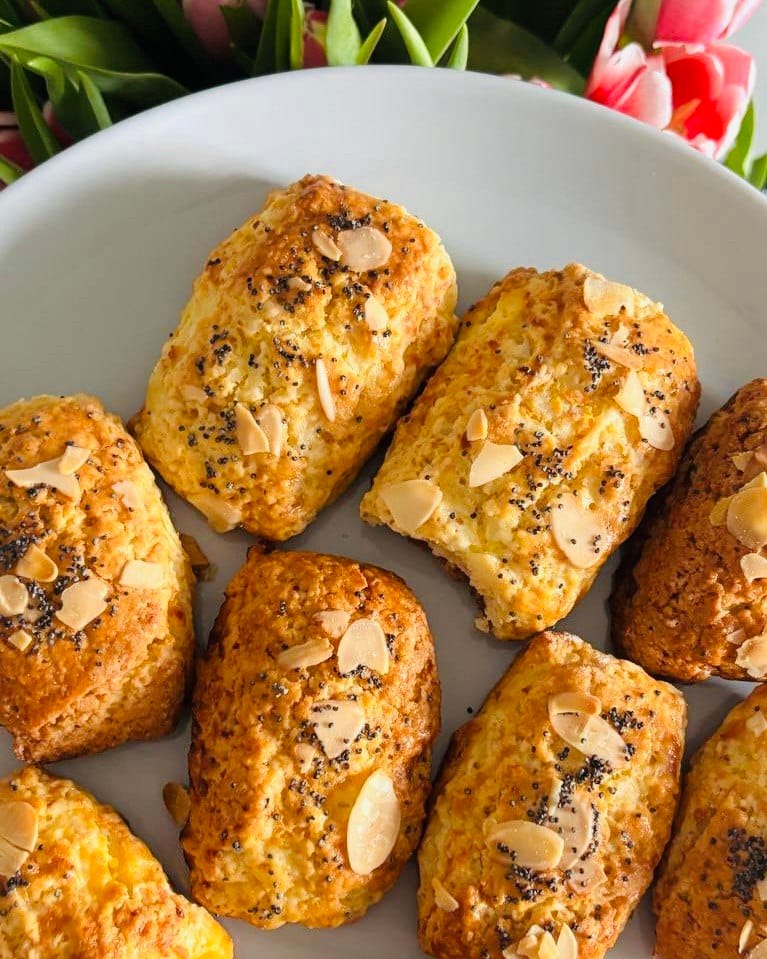
Montenegrin bread is everywhere and almost never gluten-free. Priganice, the fried dough balls served with honey or jam, are wheat-based and often fried in shared oil. Avoid all bakery items unless you have verified they are from a dedicated gluten-free source.
Top Gluten-Free and Vegan-Friendly Spots
The following restaurants have been verified through traveler reports, HappyCow listings and Google Maps reviews as of 2025. Always call ahead during peak season and confirm your dietary needs.
Budva
Paradise Food
Address: Jadranski put, Budva 85310
This is Montenegro’s only fully vegan cafe, operating as a pay-by-weight plant-based buffet and health food shop. The menu changes daily — Mexican, Russian, Mediterranean themes — and includes hot and cold dishes, vegan pizza, lasagne with seitan, and a wide selection of raw desserts. The owner has been vegan for 27 years and the staff are knowledgeable about ingredients. It is also one of the most affordable meals you will find on the coast.
Sambra Pizzeria
Address: Iva Mikovića, Budva 85310
One of the few places in Budva with gluten-free pizza and pasta on the menu. The staff are knowledgeable and the gluten-free dough is kept separately. Vegan cheese is not standard, but the kitchen can prepare vegetable-topped pizzas without dairy on request.
Bache
Address: Cara Dusana 5, Trg Palmi, Stari Grad Budva
A Turkish restaurant with attentive staff who understand allergens. Many dishes can be altered to fit dietary needs. The meze platters and grilled vegetable dishes are naturally safe bases.
Restaurant Porto
Address: Near the beach promenade and Old Town, Budva
A seafood-focused restaurant where the staff understand gluten restrictions. Grilled squid and fish are reliably gluten-free. Specify no butter if you are vegan.
Kotor
Marshall’s Gelato
Address: Stari Grad bb, Kotor 85330
This small gelato shop is reported to be entirely gluten-free, with gluten-free cones and meticulous care to avoid cross-contamination. All gelato flavors are safe, making it a rare worry-free treat in the Old Town.
Moments Restaurant
Address: Dobrota 85331
The owner is English and has a family member with celiac disease. The staff are explicitly trained on celiac safety and can guide you through the menu. Gluten-free options include risotto and carefully prepared mains. Vegan adaptations are possible with advance notice.
Restobar Taraca
Address: Tabacina 556, Dobrota 85330
A riverside restaurant with gluten-free options clearly marked on the menu. Reviews note bread, curry, risotto and dessert as safe choices. The terrace overlooks the water, making it a pleasant dinner spot just outside the Old Town walls.
La Catedrale Pasta Bar
Address: Stari Grad, Kotor
Offers gluten-free pasta and has received positive feedback from celiac travelers for understanding cross-contamination risks.
Podgorica
Piper’s Green
Address: Goce Delčeva 11, Podgorica 81000
A 100 percent vegetarian and vegan restaurant in the capital, serving healthy dishes, vegan cakes and plant-based comfort food. This is the safest bet for vegans in Montenegro who want a fully meat-free and dairy-free kitchen.
Republic of Good Food
Address: 3 Karađorđeva, Podgorica 81000
A health-focused restaurant that serves meat but has a dedicated and clearly marked vegan menu. Options include vegan bruschetta, chia pudding, avocado pasta, hummus wraps and plant-based burgers. It is a reliable choice for vegans in the city center, though not a fully vegan establishment.
Prana Brunch & More
Address: Brdo Gorica bb, Podgorica 81000
Offers gluten-free pasta and bread options. The kitchen is accustomed to dietary requests and the atmosphere is relaxed. Several vegan dishes are available.
BUENO
Address: Cetinjski Put, Podgorica 81000
Reported as one of the few places in Podgorica with gluten-free pasta. Worth a stop if you are passing through the capital.
TAPATEO Tapas Bar
Address: 43 Studentska, Podgorica
Serves gluten-free beer and offers a few gluten-free tapas options. A good choice for a casual evening in the city center.
Supermarkets and Health Stores: Where to Buy Supplies
Self-catering is the safest strategy for travelers with celiac disease or strict vegan diets. Montenegro has several supermarket chains that stock gluten-free and plant-based essentials.
Aroma Market is the most reliable chain for gluten-free travelers. Locations exist in most towns, including Dobrota near Kotor, and larger stores maintain dedicated gluten-free shelves. You will find pasta, biscuits, flour mixes and occasionally vacuum-packed bread.
Idea operates in Budva, Kotor and other major cities. The selection is smaller than Aroma’s, but you can usually locate rice, gluten-free pasta and basic snacks.
Voli is a large supermarket format found on the outskirts of towns. The Kotor-area Voli stores carry a broader range of products than small convenience shops.
Mega Promet, located in Budva, has a separate allergen section as well as gluten-free items integrated into regular aisles. Cookies and snacks are usually in the allergen section, while gluten-free spaghetti sits with the standard pasta.
Schär products, the European gluten-free brand, appear in larger Aroma and Mega Promet locations. Look for vacuum-packed bread, crackers and biscotti.
Green Markets (Zelena Pijaca) are your best source for fresh, local produce. The Kotor market operates daily near the Old Town walls, usually from early morning until early afternoon, with Saturday being the busiest day when farmers from surrounding villages bring their goods. In Budva, the Zelena Pijaca opens daily from 7:00 to 14:00, with Tuesday and Friday offering the fullest selection of homemade olive oil, nuts, honey and seasonal vegetables. Bar and Podgorica also have active green markets. Prices are rarely displayed, so ask before buying and do not hesitate to negotiate.
Essential Packing List for a Restricted Diet in the Balkans
Montenegro is beautiful, but remote. A mountain hike in Durmitor or a road trip through the north can leave you hours from the nearest safe restaurant. Pack defensively.
- Vacuum-packed gluten-free bread from brands like Schär. It is not exciting, but it is shelf-stable and fills the gap when no safe bakery exists.
- Gluten-free pasta and oats for self-catering apartments. Even basic konoba kitchens can boil water.
- Collapsible silicone food containers. These fold flat in luggage and expand to hold safe meals you prepare at your accommodation. Ideal for packing lunch before a day trip to Lovćen or Lake Skadar.
- Reusable bamboo cutlery. Lightweight and airport-friendly, so you are never dependent on plastic forks that may have touched wheat-based street food.
- A compact insulated thermos. Useful for carrying safe soup, coffee with plant milk, or hot water for freeze-dried meals if you are trekking.
- Digestive enzymes as a backup. They do not replace vigilance, but they can reduce the severity of a minor cross-contamination incident.
- Allergy restaurant cards in Bosnian, Croatian and Serbian. Montenegrin staff may not know the word “celiac,” but they understand “alergija na gluten” when printed clearly.
- A portable kettle if your accommodation lacks one. Freeze-dried meals require only boiling water and can save a dinner in Žabljak.
Useful Phrases in Montenegrin
Montenegrin is mutually intelligible with Serbian, Croatian and Bosnian. These phrases will work across the entire country.
- Bez mesa — Without meat
- Bez ribe — Without fish
- Bez mleka — Without milk
- Bez jaja — Without eggs
- Bez putera — Without butter
- Bez kajmaka — Without kajmak
- Bez pšenice — Without wheat
- Bez brašna — Without flour
- Alergija na gluten — Allergy to gluten
- Ne mogu da jedem gluten — I cannot eat gluten
- Posno — Fasting food (no meat, dairy, eggs)
- Da li ovo sadrži brašno? — Does this contain flour?
- Da li je ovo pečeno na istoj rešetki kao meso? — Is this grilled on the same grate as meat?
- Da li krompir ide u isto ulje kao pohovano meso? — Do the fries go into the same oil as breaded meat?
Frequently Asked Questions
Is it easy to eat gluten-free in Montenegro?
On the tourist coast, especially in Kotor, Budva and Tivat, it is increasingly manageable. In mountain areas and rural konobas, options narrow significantly and you will need to communicate your restrictions clearly.
Are there dedicated vegan restaurants in Montenegro?
Yes. Paradise Food in Budva is a fully vegan pay-by-weight cafe. Piper’s Green in Podgorica is a 100 percent vegetarian and vegan restaurant. Republic of Good Food in Podgorica offers a dedicated vegan menu, though it also serves meat. Most coastal restaurants now accommodate vegan requests with advance notice.
What is the magic word for vegan food in the Balkans?
Posno. This Orthodox fasting term describes meals free from meat, dairy and eggs, making it a useful shortcut when ordering in traditional restaurants. Confirm that fish has not been added.
Can celiacs eat safely at Montenegrin restaurants?
Yes, with caution. Several restaurants in Kotor, Budva and Podgorica understand celiac disease and offer marked gluten-free menus, though cross-contamination remains a risk in establishments that are not 100 percent gluten-free.
Where can I buy gluten-free products in Montenegro?
Aroma, Idea, Voli and Mega Promet supermarkets stock gluten-free pasta, bread and snacks. Larger Aroma stores have dedicated gluten-free shelves, and you can find Schär products in bigger towns.
Is tap water safe to drink in Montenegro?
Yes, generally. In urban areas such as Podgorica, Kotor and Budva, tap water meets safety standards and many locals drink it daily. On the coast, you may notice a stronger chlorine taste during peak summer. In remote mountain areas and places with private cisterns, bottled water is the safer choice.
What should I absolutely avoid as a celiac traveler?
Avoid all soups unless confirmed flour-free, all fried items from shared fryers, all bread and bakery goods, and any grilled food prepared on uncleaned surfaces. Assume wheat is present until proven otherwise.