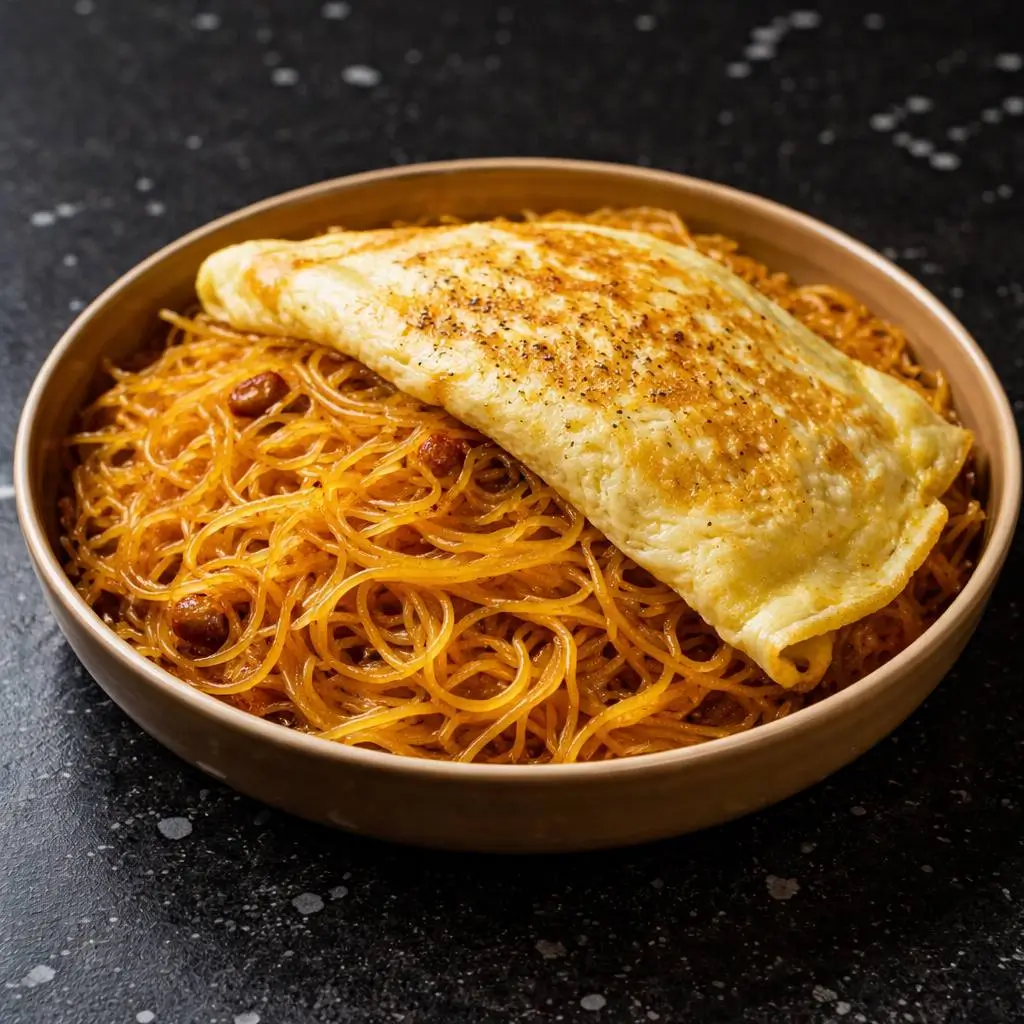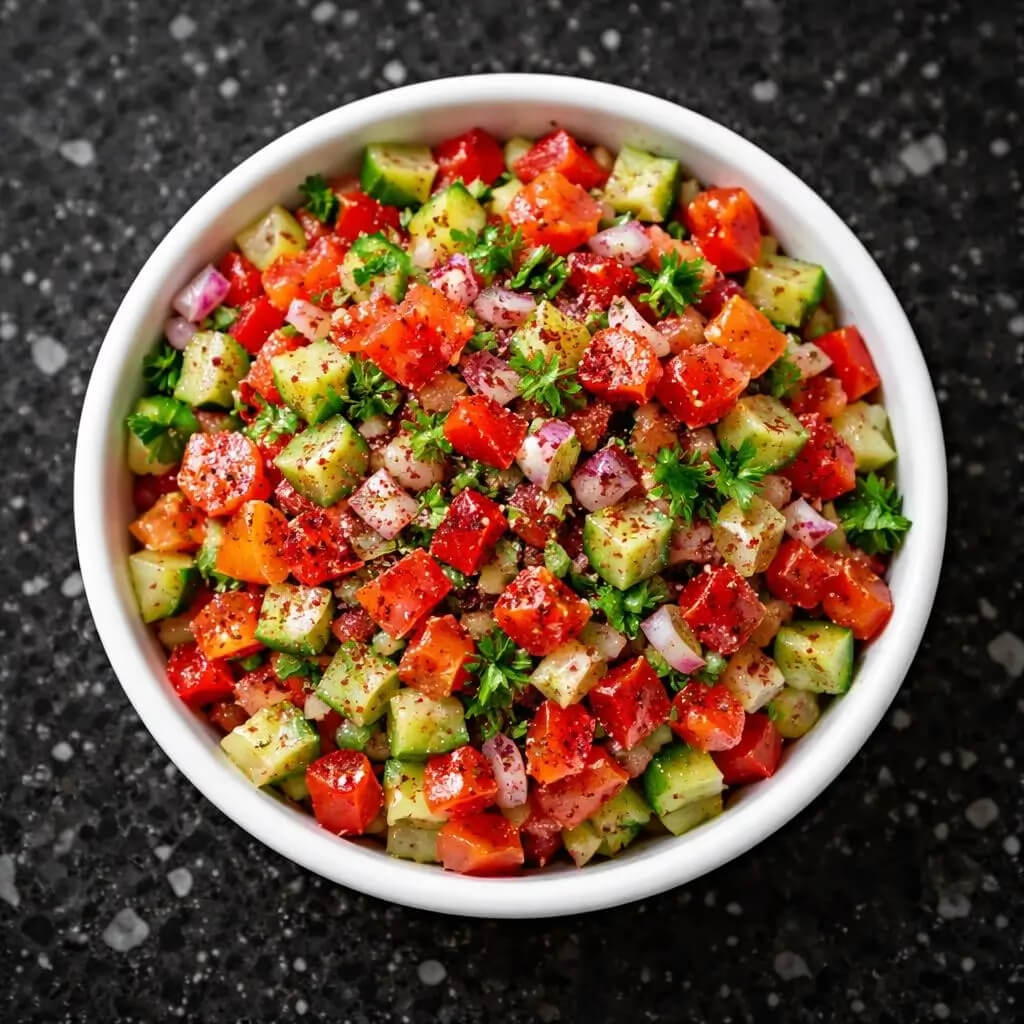
Armenia, nestled in the Armenian Highlands, is a land of volcanic landscapes, apricots, and deep-rooted fasting traditions. While its cuisine is often associated with meat, it offers strong plant-based potential, shaped by centuries of Christian fasting, the fertile Ararat Valley, and an abundance of vegetables, legumes, and aromatic herbs. Vegetarian Cuisine of Armenia is defined by a rich variety of flavorful soups, vegetable stews, stuffed vegetables, fresh herbs, and baked goods. In this guide, we’ll take you on a journey through the plant-based flavors of Armenia—from everyday staples and festive specialties to practical tips for travelers.
- Armenia – A Land of Volcanoes, Apricots, and Fasting Traditions
- The Most Popular Vegetarian Dishes of Armenia
- Armenian Holiday Cuisine – When Plants Take Center Stage
- Vegetarianism in Armenia – History and Modern Times
- 10 Vegetarian Recipes from Armenia – From Soups to Desserts
- Is Armenian Cuisine Gluten-Free Friendly?
- A Rich Landscape of Flavors – Armenian Fruits and Vegetables
- Table: Armenian Vegetarian Dishes – Gluten, Alternatives, and Notes
- Tips for Travelers – How to Eat Vegetarian in Armenia
- Conclusion – Why You Should Discover Plant-Based Armenia
- FAQ – Frequently Asked Questions About Armenian Vegetarian Cuisine
- Bibliography
Armenia – A Land of Volcanoes, Apricots, and Fasting Traditions
Armenia is one of the world’s oldest Christian nations. Christianity was officially adopted in 301 AD, profoundly influencing its culture and, by extension, its cuisine. The liturgical calendar includes over 140 fasting days per year (depending on the tradition), during which people abstain from meat, dairy, and often oil and wine. Over centuries, this led to the development of a rich variety of plant-based fasting dishes—simple, wholesome, and deeply aromatic. Situated on the Armenian Highlands, with the fertile Ararat Valley and Lake Sevan, the country has long been known for its cultivation of vegetables, fruits, grains, and legumes. The Caucasus and the Armenian Highlands were among the earliest centers of wheat cultivation, and apricots—Armenia’s emblematic fruit—reach their perfect flavor here. As a result, Armenian plant-based dishes rely on local, seasonal ingredients and need no complex substitutes—they are naturally rich in vegetables, herbs, and legumes.
The Most Popular Vegetarian Dishes of Armenia
A meatless Armenian table is not a sparse alternative but a full-fledged, diverse cuisine in its own right. Legumes—beans, lentils, chickpeas—form the base of many dishes, often cooked thick and finished with nuts and pomegranate. One beloved dish is bean soup with dried apricots—a thick, sweet‑and‑sour soup commonly enjoyed during fasting periods. Another classic is ajapsandal, a stewed vegetable medley often compared to ratatouille but with a distinct flavor profile. This dish reflects the flavors of an Armenian summer when vegetables are at their sweetest.
Another essential dish is dolma—stuffed grape leaves or vegetables. In the vegetarian version, the filling is made with rice, fresh herbs (mint, cilantro, tarragon), and spices, sometimes with the addition of lentils. The dolma is gently simmered in a light broth and finished with pomegranate juice or lemon. Grape leaves are harvested in late spring, and stuffing them is a cherished family ritual.
Another standout is manti—small dumplings that, in a less common vegetarian version, are filled with pumpkin or potatoes. In the mountainous regions, lentil soup (vospapour) and bean‑and‑grain soups are also popular, especially during fasts.
Armenian Holiday Cuisine – When Plants Take Center Stage
In Armenia, holidays are closely tied to fasting. During Great Lent (which lasts 48 days in the Armenian Apostolic Church) and on Wednesdays and Fridays throughout the year, plant-based dishes dominate the table. These include lentil and grain soups (known by various regional names). For Easter, which marks the end of Lent, richly adorned rice pilafs with raisins and nuts (pilaf) are prepared—a dish also enjoyed on ordinary days. On Christmas Eve (January 6), traditional meals include rice with dried fruits and nuts, along with lenten pastries made with walnuts and honey. In some regions, bean and grain soups are cooked over an open fire during family gatherings. Many of these dishes originated as a way to add variety to fasting diets and have since become a source of pride in Armenian vegan food culture.
Vegetarianism in Armenia – History and Modern Times
Although traditional Armenian cuisine is heavily meat‑based (especially lamb and beef), its plant-based roots run deep. For centuries, fasting shaped the way people ate, and many families still observe meatless Wednesdays and Fridays. Today, in larger cities like Yerevan, the number of vegetarian and vegan restaurants is growing, and younger Armenians are increasingly embracing plant-based eating, drawing inspiration from fasting traditions. Several organizations in Armenia promote veganism, and local shops now offer a growing range of plant-based meat and dairy alternatives. Armenian vegetarian cuisine is quite accommodating for vegetarian travelers—especially if you know the names of dishes and how to ask for the fasting version (pasac), which typically contains no animal products (though it’s wise to confirm ingredients like butter). Outside Yerevan and major cities, vegetarian options may be more limited, and traditional cuisine remains predominantly meat-focused.
Interestingly, Armenia is not alone in having deep-seated roots in plant-based nutrition driven by spiritual practices. A similar philosophy of food as a source of life force can be found in the Caribbean, where Jamaican vegetarian cuisine has become an integral part of the local identity.
10 Vegetarian Recipes from Armenia – From Soups to Desserts. Vegetarian Cuisine of Armenia
Here are ten tried‑and‑tested recipes that will let you bring the flavors of Armenia into your own kitchen. Each recipe includes context on when it’s traditionally eaten and where it comes from.
1. Bean Soup with Dried Apricots – Popular across Armenia, especially during fasting periods.
Ingredients: 1 cup red beans (soaked overnight), 2 potatoes, 1 onion, 2 garlic cloves, 2 tomatoes, 1 tbsp tomato paste, a handful of dried apricots, salt, pepper, oil.
Preparation: Cook the beans until tender. Sauté the onion and garlic in oil, add the chopped tomatoes and tomato paste. Pour in the bean cooking liquid, add the diced potatoes and dried apricots. Cook until tender. Season with salt and pepper. Serve with chopped parsley.
2. Ajapsandal – A summer dish from the Ararat region.
Ingredients: 2 eggplants, 2 bell peppers, 2 tomatoes, 1 onion, 3 garlic cloves, cilantro, salt, pepper, oil.
Preparation: Dice the eggplants, salt them, and let sit for 30 minutes. Sauté the onion in oil, add the peppers and drained eggplants. Simmer for 15 minutes, then add the tomatoes and garlic. Cook until tender. Season with cilantro and pepper.
3. Vegetarian Grape Leaf Dolma – A festive dish beloved throughout the Caucasus.
Ingredients: 50 grape leaves (fresh or brined), 1 cup rice, 1 onion, cilantro, mint, tarragon, pomegranate juice or lemon juice, olive oil.
Preparation: Mix the rice with finely chopped onion and herbs. Blanch the grape leaves. Fill each leaf with the mixture and roll into a parcel.
Arrange in a pot, cover with water mixed with pomegranate or lemon juice, and simmer over low heat for 45 minutes.
4. Pumpkin Manti – A less common vegetarian version of these dumplings, mostly found in home cooking.
Ingredients (dough): 2 cups flour, water, salt; filling: 1 cup grated pumpkin, onion, pepper; sauce: plant‑based yogurt with garlic (a modern adaptation) or traditional dairy yogurt (for vegetarians).
Preparation: Knead the dough, roll it out, and cut into squares. Place a portion of filling on each, pinch the corners together. Bake at 180°C (350°F) until golden, then pour hot vegetable broth over them and serve with yogurt and a sprinkle of dried mint.
5. Vospapour – Lentil Soup – A traditional fasting dish, especially popular in the Lori region.
Ingredients: 1 cup lentils, 2 onions, 2 potatoes, 1 carrot, cilantro, salt, pepper.
Preparation: Cook the lentils. Sauté the onions in oil, add the diced carrot and potatoes. Pour in broth and cook until tender. Add the lentils and season with cilantro. Serve with fresh parsley.
6. Rice Pilaf with Dried Fruit – Often served during holidays but also enjoyed daily.
Ingredients: 1 cup basmati rice, a handful of raisins, a handful of dried apricots, 1 onion, cinnamon, oil.
Preparation: Cook the rice. Sauté the onion in oil, then add the rice, raisins, chopped apricots, and cinnamon. Heat through for a few minutes.
7. Vegan Gata – Sweet Pastry (Modern Adaptation)
Ingredients: 2 cups flour, 1/2 cup vegan margarine, 1/2 cup sugar, 1/2 cup plant milk, baking powder, vanilla.
Preparation: Knead the dough. Roll it out, sprinkle with sugar and cinnamon, roll into a log, and slice. Bake at 180°C (350°F) for 20 minutes. Traditionally, this pastry is enriched with a butter‑based filling (choritz).
8. Apricot Compote – A summer beverage, often served at the end of a meal.
Ingredients: 1 kg fresh apricots, 1 liter water, sugar to taste.
Preparation: Wash the apricots, cover with water, and simmer for 15 minutes. Add sugar, cool, and serve chilled.
9. Stuffed Bell Peppers (Vegetarian Version) – A homestyle dish popular in the summer.
Ingredients: 4 bell peppers, 1 cup rice, 1 onion, tomatoes, cilantro, salt, pepper.
Preparation: Mix the rice with finely chopped onion, tomatoes, and herbs. Stuff the peppers and cook in a tomato sauce until tender.
10. Zhingyalov hats – Herb‑Stuffed Flatbread – A specialty of the Artsakh (Nagorno‑Karabakh) region.
Ingredients: 2 cups wheat flour, water, salt; filling: 1/2 cup each of chopped greens (spinach, cilantro, mint, sorrel, dill), salt, pepper, oil.
Preparation: Knead the dough, divide into balls, and roll into thin rounds. Place the greens on one half of the dough, fold the other half over, and seal the edges. Cook on a dry skillet on both sides. Serve warm.
Is Armenian Cuisine Gluten-Free Friendly?
Caucasian vegetarian cuisine often relies heavily on wheat—lavash, manti, many desserts, and thickeners all contain gluten. However, there are plenty of naturally gluten‑free dishes. Rice is a staple for pilafs, while beans, lentils, and chickpeas are gluten‑free, as are vegetable soups, ajapsandal, and vospapour. In cities, gluten‑free bread is becoming easier to find, and you can ask for the fasting version (pasac) of dishes in restaurants. Note that traditional dolma is wrapped in grape leaves (gluten‑free), but some versions may include bulgur wheat in the filling—so it’s best to ask. For those with celiac disease, we recommend sticking to rice‑based dishes, legumes, and vegetables, and seeking out labeled gluten‑free spots in larger cities. Common hidden sources of gluten include sauces thickened with flour, prepared broths, and some types of lavash.
A Rich Landscape of Flavors – Armenian Fruits and Vegetables. Vegetarian Cuisine of Armenia
Armenia is exceptionally abundant in fruits and vegetables. Thanks to its fertile soil and sunny climate, it cultivates a wide variety, including apricots, peaches, grapes, plums, cherries, raspberries, and blackberries. In autumn, quinces, pomegranates, apples, and pears ripen. The pomegranate (nur) holds special significance—as a symbol of fertility and prosperity, it frequently appears in dishes, juices, and desserts. Among vegetables, the most popular are tomatoes, cucumbers, peppers, eggplants, pumpkins, green beans, cabbage, and potatoes. Armenian markets (shuka) are a feast for the senses—colorful stalls brimming with vegetables, dried fruits, nuts, and herbs (mint, cilantro, tarragon, basil, thyme). Armenian cuisine also makes great use of spices like sumac (tangy, used in salads and vegetable dishes), cumin, and fresh or dried cilantro. Traditional cooking methods include slow stewing in clay pots and baking in a tonir—an underground clay oven used to bake lavash and prepare various dishes.
Table: Armenian Vegetarian Dishes – Gluten, Alternatives, and Notes
| Dish Name | Contains Gluten? | Alternatives / Notes for Vegetarians | Typical Serving Style | Often Contains Hidden Gluten? |
|---|---|---|---|---|
| Bean Soup with Dried Apricots | No (naturally gluten‑free) | 100% plant‑based; ensure the broth is vegetable. | Served with lavash (contains gluten) or on its own. | Rarely |
| Ajapsandal | No (naturally gluten‑free) | Vegetarian, often vegan. Served with lavash (contains gluten) or rice. | As a main or side dish. | No – naturally gluten‑free |
| Vegetarian Grape Leaf Dolma | No (grape leaves, rice) | The rice‑based version is gluten‑free. Caution: some recipes include bulgur – ask. | Served cold or warm, often with yogurt. | Sometimes (when bulgur is added) |
| Pumpkin Manti | Yes (wheat dough) | Gluten‑free version: rice or corn flour dough (modern adaptation). | Baked, served with broth and yogurt. | No – dough is the primary gluten source |
| Vospapour (Lentil Soup) | No (naturally gluten‑free) | Vegetarian, often vegan. Ensure no flour was added for thickening. | Served with lavash (contains gluten) or on its own. | Rarely |
| Rice Pilaf with Dried Fruit | No (naturally gluten‑free) | Vegan, often served during fasting periods. | As a main or side dish. | No |
| Zhingyalov hats (Herb‑Stuffed Flatbread) | Yes (wheat flour) | Gluten‑free version: rice and corn flour (adaptation). | Flatbread cooked on a dry skillet. | No – dough is the gluten source |
| Gata (Sweet Pastry) – Vegan Adaptation | Yes (wheat flour) | Gluten‑free version: rice, corn, or almond flour. | Served as a dessert. | No |
Tips for Travelers – How to Eat Vegetarian in Armenia
Armenia is a hospitable country, but its traditional cuisine is heavily meat‑based. Here are some practical tips to help vegetarians:
- Look for spots with the word pasac (lenten/fasting) – these dishes are prepared without meat, dairy, and often without eggs. It’s useful to remember a few phrases: “no meat” and “no dairy”.
- Many vegetable dishes are naturally vegetarian – ajapsandal, bean soup, vospapour, pilaf with dried fruit. Also try vegetarian dolma and zhingyalov hats.
- At markets, buy fresh fruits and vegetables – apricots, peaches, grapes, tomatoes, cucumbers – they make for perfect snacks.
- In Yerevan, several spots offer vegetarian and vegan options, including Green Bean and Art Lunch.
In smaller towns, choices may be limited, but you can often put together a meal of rice, beans, salad, and bread in any local eatery. Remember that traditional lavash contains gluten – if you’re gluten‑intolerant, stick to rice‑ and legume‑based dishes and ask about ingredients. - Avoid dishes like khash (traditional soup made from cow’s feet) and bozbash (meat stew) – these are not vegetarian. Manti and similar dumplings usually contain meat; look for the pumpkin version.
- In restaurants, it helps to ask: “Is this dish fasting?” (in Armenian: “Sa pasac e?” – but it’s safer to use English or your own language and clearly say “no meat” and “no dairy”).
Conclusion – Why You Should Discover Plant-Based Armenia
Armenian vegetarian cuisine is not just an alternative to meat‑based dishes—it is a rich, independent tradition that long predates modern veganism. Fasting dishes, full of vegetables, legumes, nuts, and dried fruits, are healthy, satisfying, and bursting with flavor. Armenia is a country where vegetarians can delight in a diversity of tastes—from hearty soups to light salads, from crisp lavash to sweet apricots. When you visit, you’ll not only uncover its ancient history but also savor a cuisine that has proven for centuries that plant‑based food can be a true feast. We encourage you to experiment with the recipes above at home and to plan a culinary journey to Armenia—a land where tradition is tasted at every turn.
FAQ – Frequently Asked Questions About Armenian Vegetarian Cuisine
Is it easy to find vegetarian food in Armenia?
In Yerevan and larger cities, yes—many restaurants offer vegetarian options, and fasting dishes are widely available. In smaller towns it may be more challenging, but you can usually request rice with beans, a vegetable salad, and bread in most eateries. Markets always have fresh fruit and vegetables.
What are typical vegetarian dishes in Armenia?
Ajapsandal (stewed vegetable medley), bean soup with dried apricots, vegetarian dolma (stuffed grape leaves), vospapour (lentil soup), pilaf with dried fruit, and zhingyalov hats (herb‑stuffed flatbread). During fasting periods, special dishes made without dairy or eggs are also available.
Is Armenia a good destination for vegans?
Yes, especially since fasting (pasac) dishes are 100% plant‑based. Many traditional dishes contain no dairy or eggs. Restaurants are increasingly offering vegan options, and Yerevan has several vegan‑friendly spots. Keep in mind that home‑style versions of some dishes may include butter or eggs, so it’s best to ask.
How do I order food without meat in Armenian?
The simplest way is to use English (or your own language) and say “no meat,” “no dairy.” If you’d like to try, you can say pasac (lenten), but it’s wise to double‑check the ingredients. In Yerevan restaurants, staff often speak English.
Is Armenia affordable for vegetarians?
Yes, prices in local eateries and markets are very reasonable. A main course at a standard restaurant costs around $5–10, while a market meal (fruit, vegetables, bread) can be just a few dollars. In Yerevan, prices are higher, especially at upscale restaurants.
Is it easy to buy plant‑based products like tofu or plant milk in Armenia?
In Yerevan, supermarkets stock soy milk, almond milk, tofu, and other plant‑based products. In smaller towns, the selection is more limited, but you can always find fresh vegetables, fruits, legumes, and nuts at local markets.
Bibliography
- “The Armenian Cookbook” – Sonia Tashjian (1966; Polish edition “Kuchnia ormiańska”, 2018)
- “Cuisine of Armenia” – Irina Petrosian, David Underwood (2006)
- “A Taste of Armenia” – Naomi Avanesyan (2017)
- “Lavash: The Bread that Launched a Thousand Meals” – Kate Leahy, John Lee, Ara Zada (2015)
- UNESCO publications on intangible cultural heritage – lavash (inscribed in 2014)
- Articles from The Armenian Weekly and culinary portals AraratBox, Taste of Armenia
- Interviews with Armenian chefs as part of the “Culinary Armenia” project (2023–2024)
- Lonely Planet culinary guides: Armenia, Georgia & Azerbaijan (2022)
- Food blogs: Armenian Kitchen, Heghineh Cooking Show, The Armenian Kitchen
The above article is for informational purposes only and does not constitute medical, dietary, or legal advice. Before making significant changes to your diet, especially if you have celiac disease, food allergies, or other conditions, it is recommended to consult a qualified dietitian or physician. The editorial team has made every effort to ensure the information presented is reliable and current as of the time of publication, but assumes no responsibility for any consequences arising from its use.