Cornstarch is one of the most common ingredients in gluten-free and plant-based kitchens, but the questions around it never quite go away: Is it actually safe for celiac disease? Is it the same thing as corn flour? And can it really replace eggs in baking? This guide answers all three, with the gluten-free and vegetarian side covered first, since that’s what most people looking this up actually want to know. This piece is part of a broader guide to gluten-free flours and starches – if you’re trying to figure out which one fits your recipe, check out our guide to gluten-free flours and starches, where we compare all four side by side.
Is Cornstarch Gluten-Free and Safe for Celiac Disease?
Yes. Corn is naturally gluten-free, and so is pure cornstarch made from it. Unlike wheat, rye, and barley, corn doesn’t contain the gluten proteins that trigger a reaction in people with celiac disease.
That said, “naturally gluten-free” isn’t the same as “guaranteed gluten-free on your plate.” The main risk is cross-contact during farming and manufacturing. Corn is often grown near wheat fields and can pick up trace amounts of gluten in shared silos, trucks, or processing equipment. This is the main reason celiac organizations recommend always checking the label.
Some U.S. brands are widely recognized for carrying a gluten-free label or certification, including Bob’s Red Mill, Argo, Kingsford’s, Clabber Girl, and Hodgson Mill. Labeling practices and facility setups can change, so the safest approach is always the same: look for a “gluten-free” statement or certification mark on the package itself.
Cornstarch vs. Corn Flour: Not the Same Thing
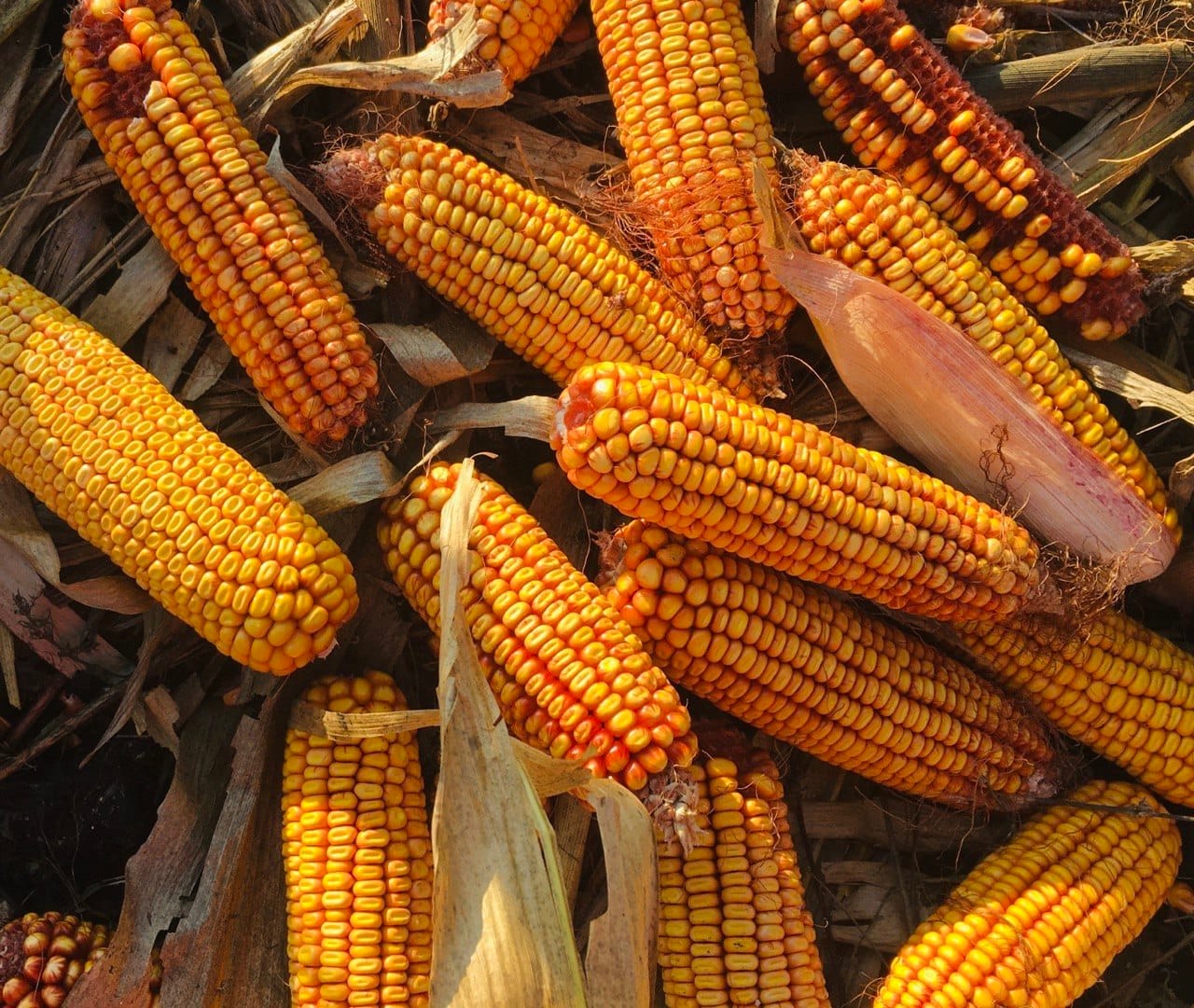
This is where a lot of confusion starts, and the confusion is partly geographic. In the United States, cornstarch and corn flour are two different products. Cornstarch is the pure starch isolated from the corn kernel’s endosperm: fine, white, and used almost entirely as a thickener. Corn flour, in American usage, is made by grinding the entire dried corn kernel, so it keeps the fiber, protein, and color of the whole grain, and behaves more like a true flour than a thickener.
In the United Kingdom, the word “cornflour” refers to what Americans call cornstarch, not to American corn flour. If a recipe from a British source calls for “cornflour,” it means cornstarch, not the coarser, protein-rich American corn flour. This single naming difference is one of the most common sources of gluten-free baking failures when people follow recipes across the Atlantic.
Both cornstarch and corn flour are naturally gluten-free, but they are not interchangeable in a recipe. Cornstarch lightens texture and thickens liquids; corn flour adds structure and flavor closer to a traditional flour.
Using It as a Vegan and Vegetarian Egg Substitute
For plant-based cooking, cornstarch is one of the simplest tools for replacing eggs, especially in recipes where eggs are mainly doing structural or binding work.
In creams and custards, a slurry of plant milk, sugar, and cornstarch cooked on the stovetop sets into a thick, glossy pudding with no eggs involved. In vegan cheese sauces, cornstarch thickens a base of blended cashews and nutritional yeast into something with real cling and body. It also works as a binder in baked goods like vegan frangipane or dense fruit cakes, where a small amount holds the crumb together in place of egg proteins.
For vegetarian bakers who still use eggs, cornstarch has a different, more subtle role: cutting down the number of eggs a recipe needs rather than replacing them all. Dense gluten-free cheesecakes and pound cakes often lean on extra eggs to hold their structure together, since there’s no gluten network to do that job. Adding a small amount of cornstarch to the batter lets you drop one or two eggs from the recipe while keeping the filling set and sliceable, and it usually comes out lighter and less rubbery than the full-egg version.
Cornstarch is also a reliable coating for crispy tofu or vegetables before pan-frying: a light dusting absorbs surface moisture and crisps up faster and more evenly than a flour coating would.
What Is Cornstarch, Exactly?
Cornstarch is a carbohydrate made almost entirely of two components: amylose and amylopectin. Corn starch typically contains around 22 to 30 percent amylose, with the rest made up of amylopectin; the exact ratio depends on the corn variety and how it’s measured. This is one of the reasons cornstarch behaves differently from potato starch, which usually falls closer to 17 to 21 percent amylose, though both figures vary across cultivars and studies.
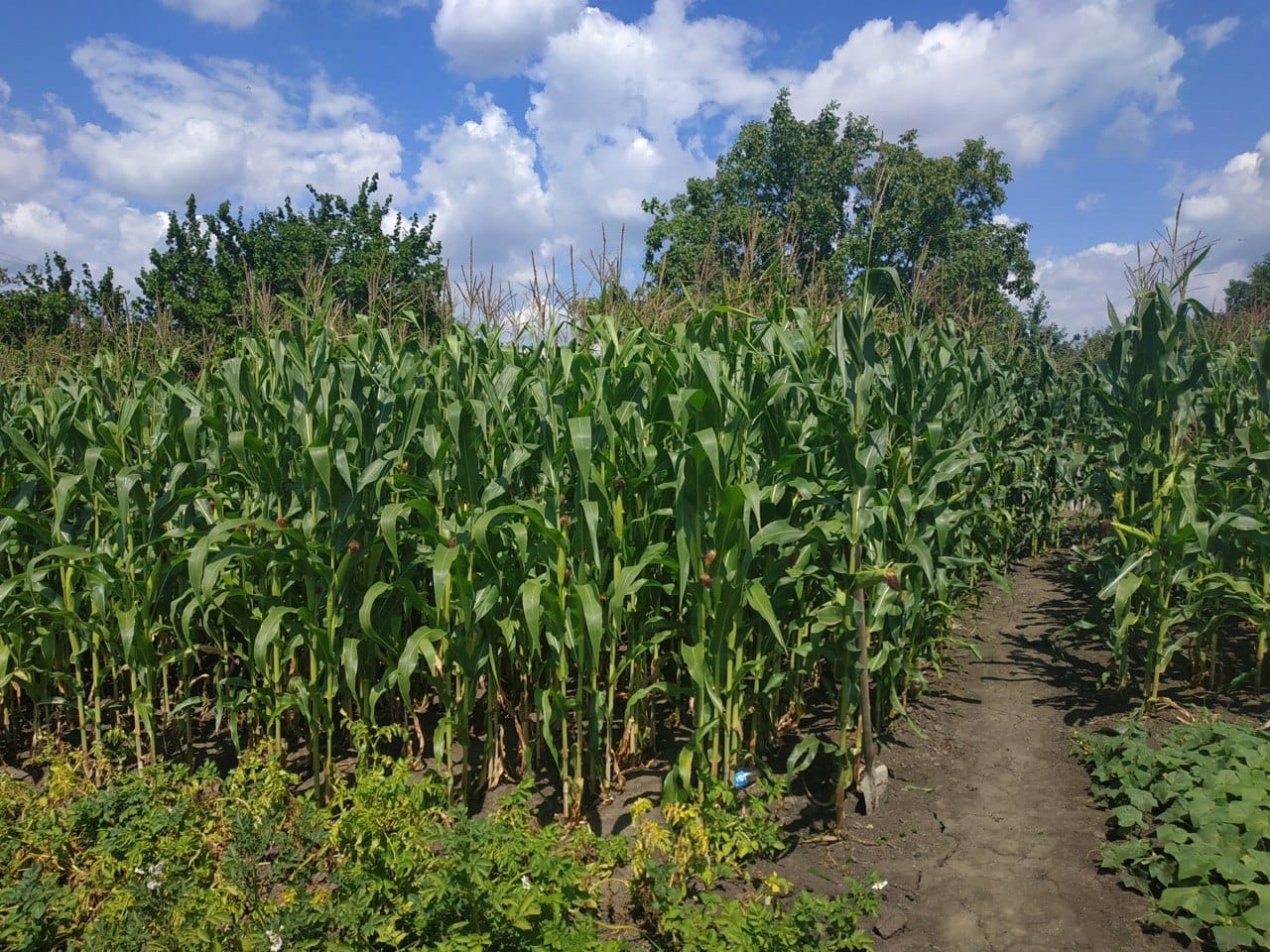
Producing cornstarch involves both biochemical and mechanical steps. Corn kernels are first steeped in water, traditionally with mild acidification, which loosens the kernel’s structure and makes it easier to separate the parts. After steeping, the hull, germ, and fiber are mechanically separated from the endosperm, which is then washed, spun, and dried into the fine white powder sold as cornstarch.
How to Use It Without Lumps
The most common mistake is dumping the dry powder straight into a hot liquid. The outside of each particle gelatinizes instantly, sealing in dry powder at the center, and that’s exactly how lumps form.
The fix is a slurry:
- Measure out the cornstarch you need
- Stir it into a small amount of cold water or liquid, roughly one part cornstarch to two parts liquid
- Mix until completely smooth, with no dry streaks
- Lower the heat under whatever you’re thickening
- Pour the slurry in slowly while whisking or stirring constantly
- Simmer for one to two minutes until it thickens and loses any raw, starchy taste
- Don’t overcook it. Extended boiling breaks down the starch and can thin the sauce back out
How Much Should You Use?
As a rough guide for one cup of liquid: about one teaspoon gives a light thickening, one and a half to two teaspoons makes a noticeably thicker sauce or cream soup, and one to two tablespoons gets you into pudding territory. Acidic liquids, like anything with a lot of citrus or vinegar, slightly weaken cornstarch’s thickening power, so you may need a touch more in those recipes.
Cornstarch in Gluten-Free Baking
It shows up in most gluten-free flour blends for a reason. Added in a small proportion alongside gluten-free flours, it softens crumb, lightens texture, and helps prevent the dense, gummy result that plain rice flour or bean flour blends can produce on their own.
It works by limiting how tightly the other starches and proteins bind together and by holding onto moisture, which keeps baked goods from drying out as quickly. The right proportion depends on the specific recipe and the other flours involved. It tends to work especially well in shortbread-style cookies and sponge cakes, where a lighter, more delicate crumb is the goal.
Nutrition and Calories
It’s close to a pure carbohydrate. A typical 100-gram serving has approximately 355 to 360 calories, around 88 to 89 grams of carbohydrates, well under a gram of protein, and virtually no fat or fiber. Exact numbers vary slightly by brand, so check the label on the product you’re using.
Glycemic Index
Starches low in amylose and high in amylopectin, which describes both corn and potato starch, tend to have a higher glycemic index once cooked. That’s because gelatinized starch with this ratio is broken down quickly by digestive enzymes, which can lead to a faster rise in blood sugar.
This doesn’t mean a teaspoon of cornstarch used to thicken a sauce has a meaningful effect on blood sugar. The impact depends on the amount consumed, how thoroughly it’s cooked, and what else is in the meal, since fat, protein, and fiber all slow down digestion. A large serving of pudding made mostly from it is a very different situation from a spoonful used to thicken gravy.
Cornstarch vs. Potato Starch
The two starches behave differently enough that swapping one for the other changes the result:
- Sauces: cornstarch gives a clearer, glossier finish; potato starch tends to look slightly cloudier
- Puddings and custards: cornstarch sets smoother and softer; potato starch sets firmer
- Fruit fillings and gel-style desserts: potato starch gives a more elastic, glassy texture; cornstarch is creamier and less firm
- Baking: cornstarch is generally better at softening crumb structure
- Crispy coatings: both work well; potato starch tends to form a slightly harder, crunchier crust
- Freezing: potato starch holds up better in dishes that will be frozen and reheated
What Can You Substitute It With?
The right substitute depends on what you’re making:
- Potato starch (1:1): the closest all-around substitute, though it can leave a slightly more gel-like texture and can weigh down baked goods
- Tapioca starch (1:1): a good fit for fruit-based desserts and sauces, with a somewhat stickier, more elastic result
- Arrowroot starch (1:1): holds up well in acidic sauces, like anything citrus-based, where cornstarch loses some thickening power
- Rice flour (about 1.5:1): works in baking and coatings, neutral in flavor but can leave a slightly grittier texture
- All-purpose wheat flour (about 2:1): only an option if gluten isn’t a concern; expect a cloudier, more “floury” result in sauces
Common Mistakes to Avoid
- Adding dry powder straight into a hot liquid, which causes lumps
- Trying to replace all of a recipe’s flour with cornstarch 1:1, which leaves baked goods dense and crumbly
- Using the wrong amount, resulting in a sauce that’s either gluey or too thin
- Overcooking the thickened liquid, which breaks the starch back down
- Not adjusting for acidic ingredients, which can prevent proper thickening
- Confusing cornstarch with corn flour when shopping or following a recipe
- Assuming any cornstarch is automatically celiac-safe without checking the label
Frequently Asked Questions
Is it gluten-free?
Yes, corn doesn’t naturally contain gluten. The main risk is cross-contact during farming or manufacturing, so checking for a gluten-free label matters more than the ingredient itself.
Is it the same as corn flour?
No. In the U.S., cornstarch is pure starch from the corn kernel, while corn flour is made from the whole ground kernel and contains fiber and protein. In the UK, “cornflour” actually means what Americans call it.
Can it replace eggs in baking?
In many recipes, yes, particularly where eggs are mainly providing binding or thickening rather than flavor, such as custards, creams, and some cakes.
What’s a good substitute?
Potato starch and tapioca starch are the closest substitutes, both usually in a 1:1 ratio.
How many calories does it have?
Roughly 355 to 360 calories per 100 grams, depending on the brand.
Is it vegan?
Yes, it’s a plant-derived ingredient with no animal products involved.
Does it have a high glycemic index?
Once cooked, it can be digested quickly and raise blood sugar faster than less-processed starches, especially in larger amounts, though the effect depends heavily on the rest of the meal.