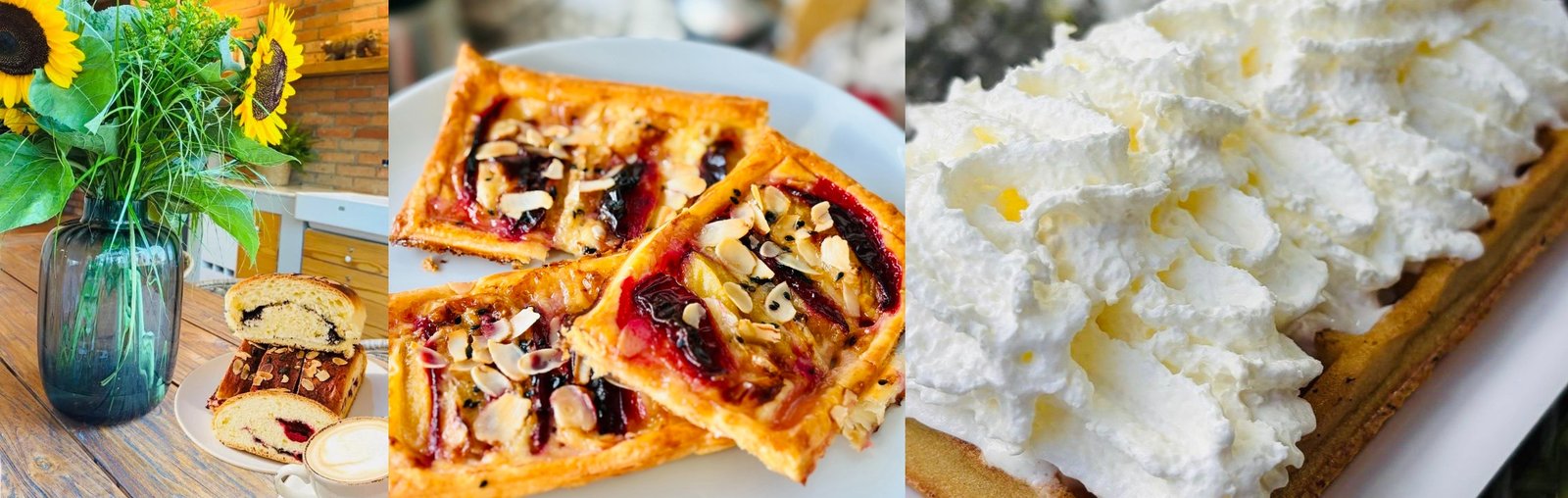
Lisbon has two things that make gluten-free travel easier than in most European capitals: a national certification body and a constantly updated map of the restaurants it certifies. Gluten-free Lisbon isn’t a matter of scanning menus for a stray “sem glúten” label — it comes down to one organization and one app.
This is the first stop in a three-city series on gluten-free Portugal – the full comparison of Lisbon, Porto, and the Algarve, plus how APC certification works nationwide, is in the gluten-free Portugal guide, worth bookmarking for later.
How APC Certification Works
APC, the Associação Portuguesa de Celíacos, is headquartered on Avenida Júlio Dinis in Lisbon and keeps the official list of certified restaurants, bakeries, and pastry shops across the country. Certification requires staff training on cross-contamination and repeat inspections. A single registration doesn’t keep the label active on its own.
Certified places carry the APC symbol on their website or at the entrance. That symbol is the only reliable way to tell a genuinely safe kitchen apart from one that simply lists a “gluten-free option” on the menu.
Best Gluten-Free Restaurants in Lisbon
Gluten-free Lisbon comes down to a short list of certified addresses rather than a hopeful conversation with a waiter.
- The Food for Real – two locations (Alcântara and Entrecampos), fully dedicated gluten-free kitchens, APC-certified, known for Brazilian pão de queijo
- Rice Me – restaurant and neighboring bakery Rice Me Deli, both 100% gluten-free and APC-certified, built around rice-based dishes
- Paleo Kitchen – naturally gluten-free cooking with no processed ingredients, APC-accredited
For overnight stays, Inspira Liberdade Boutique Hotel on Rua de Santa Marta has its own restaurant, Open Brasserie Mediterrânica, with a separate gluten-free kitchen section and APC certification of its own.
The most current list of certified spots lives in the GlutenFreeMap app, built by parents of a child with celiac disease — several addresses that still circulate in older blog posts have closed or lost certification since, so checking the app beats trusting a five-year-old ranking.
What to Eat — and What to Skip — in Traditional Portuguese Food
Rice and potatoes anchor a lot of Portuguese cooking, and neither contains gluten on its own. Wheat flour still shows up as a thickener in sauces where it isn’t obvious, so asking is worth the awkward pause. Bean and legume dishes carry a second, separate risk for anyone eating vegan and gluten-free at the same time: the name on the menu reads plant-based, but the traditional recipe is usually simmered in meat stock or with chouriço. Celiac-focused guides rarely flag this second trap, since it has nothing to do with gluten.
Dessert is the safer lane — arroz doce, Portugal’s sweet rice pudding, and seasonal fruit are sold almost everywhere without a gluten risk, as long as nothing’s dusted with breadcrumbs for texture.
Grocery Shopping and Trip Prep in Lisbon
Continente and Pingo Doce both stock sizeable gluten-free sections in their Lisbon stores, marked with a crossed-out wheat stalk symbol, which makes self-catering between sightseeing stops simple. Staff in the city center usually speak English, but a printed card with the relevant Portuguese terms for celiac disease is worth carrying once you’re off the main tourist strip.
Between the certification system and the app that tracks it, gluten-free Lisbon takes less planning than it looks like from the outside — most of the research happens before the flight, not at the table.