Here’s the fact that matters more than any other on this trip: most soy sauce in Vietnam contains wheat. Maggi’s own Vietnamese-market soy sauce lists soybean extract that “contains wheat gluten” right on the ingredient panel, and it sits on restaurant tables from Hanoi to the Mekong Delta. There’s a second trap that catches gluten-free vegans specifically, and almost no travel guide mentions it: the mock meat served at Buddhist vegetarian restaurants is frequently made from mì căn — wheat gluten itself, shaped and seasoned to taste like pork or beef. If you take nothing else from this guide, take those two facts.
The Soy Sauce Problem
Vietnamese cooking leans on soy sauce constantly — not just as a table condiment but stirred into marinades, dipping sauces, stir-fries, and the glaze brushed over grilled tofu or vegetables before they ever reach your plate. This single habit is what makes gluten-free Vietnam harder than its rice-based reputation suggests. In the north, where wheat-based cooking runs deeper into the culinary tradition, you’ll find it in more places than you’d expect. Nước tương is the term used in the south; xì dầu is what northerners call the same bottle. Neither word guarantees anything about what’s inside.
Some brands sell a lower-gluten or wheat-free version, and a handful of manufacturers claim that fermentation breaks the gluten down enough to be safe — a claim that celiac researchers still dispute, and one you shouldn’t bet your health on while traveling. Bouillon and seasoning powders carry the same risk under a friendlier label. Knorr’s pork-flavor powder is confirmed not gluten-free on the company’s own Vietnamese site, and its vegetable and mushroom-flavor seasoning powders — the ones most likely to turn up in a quán chay kitchen instead of the pork version — haven’t been independently confirmed either way, so treat any bouillon cube in a vegetable broth with the same suspicion you’d give the meat version.
The Seitan Trap: Mock Meat and Mì Căn
This is the warning most gluten-free travel guides skip entirely, because they’re not written for vegans. Vietnamese Buddhist cooking, known as đồ chay, has a centuries-old tradition of mock meat built specifically to replace pork, beef, and chicken in dishes that would otherwise use them — and the base ingredient for a huge share of that mock meat is mì căn, which is simply wheat gluten cooked, kneaded, and shaped until it takes on a chewy, meat-like texture. It’s a wonderful ingredient if you’re vegan and not gluten-free. If you’re both, it’s one of the few things in Vietnamese cooking you need to actively hunt for and confirm before ordering, not something you can casually assume is safe.
Phở chay, the vegetarian version of Vietnam’s signature noodle soup, illustrates the problem perfectly. The broth itself is usually a clean vegetable stock, and the rice noodles are naturally gluten-free — but the toppings commonly include seitan alongside tofu and mushrooms, and a bowl that looks completely safe on the surface can have wheat gluten floating right in it. Com Chay Nang Tam, Hanoi’s oldest vegetarian restaurant, is a genuinely wonderful place to eat, and its menu leans heavily on mock meat built from wheat gluten; travelers managing celiac disease consistently flag it as a place where every single dish needs its own question, since the “vegetarian” label alone doesn’t tell you anything about gluten.
Safe Bets: Rice, Tofu, and What to Actually Order
Once you know to watch for soy sauce and mock meat, the rest of gluten-free Vietnam gets a lot friendlier. Gỏi cuốn, the fresh spring rolls wrapped in translucent rice paper and packed with herbs, rice vermicelli, and tofu, are about as safe a starting point as Vietnamese street food gets — the wrapper has no wheat in it at all, though the peanut-hoisin dip usually served alongside does, so ask for a plain fish-free, wheat-free nước chấm instead. Bánh xèo, the crispy rice-flour crepe, is naturally gluten-free at the batter level; the chay version fills it with mushrooms and bean sprouts, and it’s worth confirming the filling wasn’t finished with a splash of soy sauce before it hit the pan.
A short list is worth keeping on your phone, because it covers what actually shows up on a quán chay menu without much digging:
- Phở chay with tofu and vegetables only, no mock meat, no soy sauce in the broth
- Gỏi cuốn (fresh spring rolls) with tofu, served with a wheat-free dipping sauce
- Cơm chay (steamed rice with vegetable side dishes), no marinade unless confirmed
- Bánh xèo chay with mushrooms, filling checked for hidden soy sauce
- Fresh fruit and coconut water, always safe, always available at any market stall
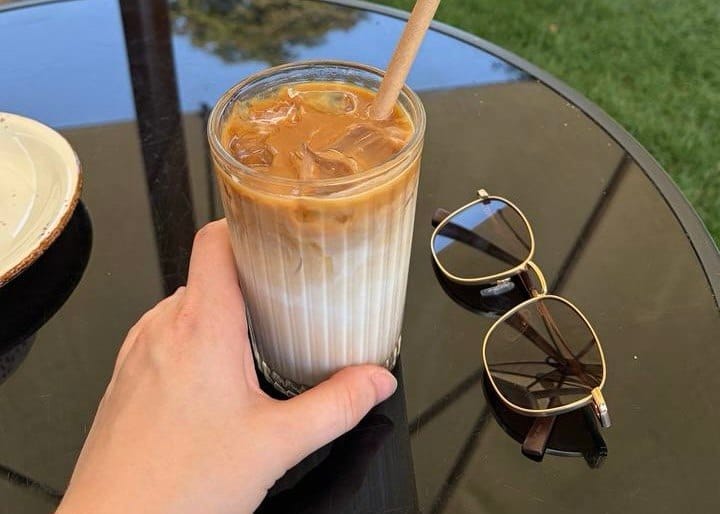
One more thing worth ordering with confidence: cà phê sữa đá, Vietnam’s iconic iced coffee, is naturally gluten-free at its base — just strong drip coffee over ice. The traditional version uses sweetened condensed dairy milk, so for a fully plant-based cup, ask for “sữa đặc dừa” (coconut condensed milk) or “sữa đặc hạt điều” (cashew condensed milk), both of which have become common enough in cafés catering to tourists and the local vegan scene that most baristas in Hanoi and Ho Chi Minh City won’t blink at the request.
Hanoi vs. Hoi An vs. Ho Chi Minh City: Regional Differences
The three cities most travelers build a Vietnam itinerary around behave differently enough that your risk level shifts just by moving south. Hanoi carries the deepest wheat-based cooking tradition and the highest concentration of mock-meat-heavy chay restaurants, which makes it the trickiest city on this list despite having genuinely excellent vegetarian food; Phở Chay Anh Hai, tucked in an alley near Hoàn Kiếm Lake and open mornings only, is well regarded for a lighter, herb-forward broth, but the seitan-versus-tofu question still needs asking every time.
Hoi An and Hue, further south along the central coast, bring their own regional chay specialties worth seeking out on their own merits — cao lau chay, a Hoi An noodle dish built on firm tofu and a soy-based broth, and mi quang chay, a turmeric-yellow rice noodle dish topped with peanuts and bean sprouts. Hue’s pagoda restaurants, some run directly by monks and nuns, serve some of the most traditional chay food in the country, including a version of bánh xèo finished with vegan fish sauce instead of the animal-based kind. Ho Chi Minh City rounds things out with the country’s largest concentrated vegan restaurant scene: Mang’s Mania, Hum Vegetarian, and Pho Chay Nhu on Truong Quyen Street all draw travelers specifically because their menus already separate gluten-containing dishes from the ones that aren’t, a level of labeling that’s rare even in Hanoi. If you’ve already worked through the regional swings covered in our gluten-free Serbia guide, this will feel familiar — the capital isn’t always the easiest city, and the smaller regional specialties sometimes turn out safer than the famous version.
Emergency Phrases and the Show-This-Card Trick
Vietnamese pronunciation is genuinely difficult to get right on the first try, and more than one traveler has reported locals laughing kindly at their attempt before understanding what they meant. Save yourself the guesswork: write out “Tôi ăn chay và bị dị ứng với lúa mì — không mì căn, không xì dầu” (I eat vegan and I’m allergic to wheat — no seitan, no soy sauce) on your phone in large text, and just show it to the staff. Add “không bột mì” (no wheat flour) as a shorter backup for quick exchanges at a street stall.
A printed card survives a dead battery and a spotty signal, and a vendor can pass it to a coworker who reads faster than they follow a foreigner’s accent. If you’ve traveled through gluten-free Montenegro or worked through the phrase-heavy sections of our Bosnia and Herzegovina guide, you already know the drill: the card does the talking so you don’t have to negotiate pronunciation under pressure.
Pack Tamari Packets
The single most useful item in your bag on this trip is a handful of small, wheat-free tamari packets, the kind sold for travel in most health-food stores back home. Vietnamese cooking is built around a salty, umami-forward flavor that soy sauce delivers almost everywhere, so carrying your own version lets you season a plain bowl of rice and tofu yourself. It solves a surprisingly large share of the daily friction with one small packet.
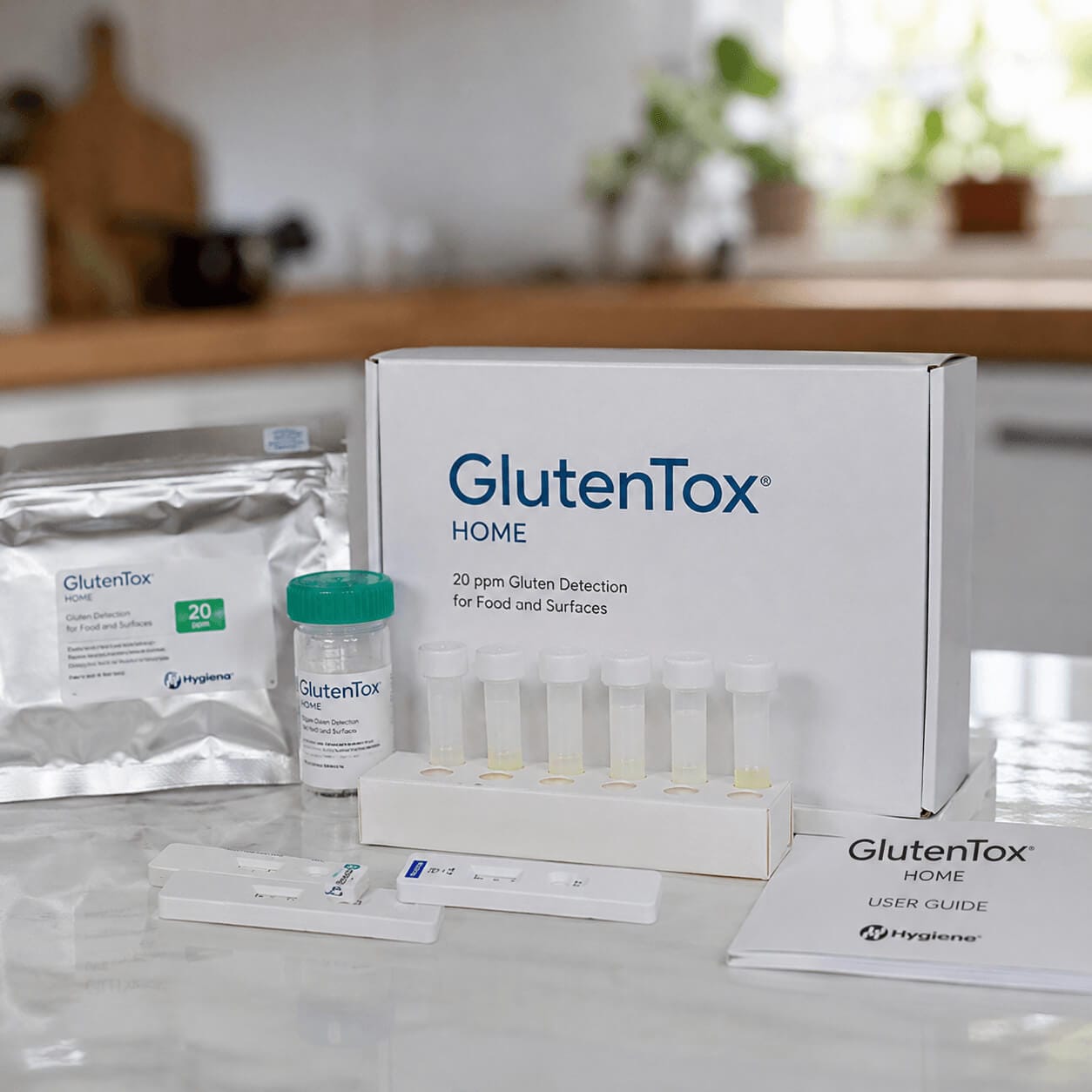
A compact gluten-sensor strip earns its luggage space too, mainly for the ambiguous cases — a broth you can’t fully question because nobody at the stall speaks English, or a mock-meat dish where “vegetarian” was the only word you managed to confirm. It won’t catch everything and shouldn’t replace asking questions or carrying your translated card, but for the handful of genuinely unclear dishes each week, it beats guessing. Travelers who’ve already built out a Latin American leg of their trip know this rhythm from stops like gluten-free Colombia and Costa Rica, where a bouillon cube or a hidden roux plays the same quiet role that soy sauce and seitan play here.
This guide reflects restaurant and product information current as of 2026, drawn from HappyCow’s Vietnam vegan restaurant listings, Vietnamese Buddhist food (chay) culture resources, and manufacturer ingredient listings for Maggi and Knorr products sold in Vietnam. Menus, recipes, and product formulations change; always confirm current ingredients directly with restaurants and vendors before ordering, especially if you have celiac disease, since cross-contact from shared woks and fryers is common throughout the country.